
Global Social Media Influencer Research Lab
 Introduction
The Global Social Media Influencer Research Lab (GSMI) consists of BGSU School of Media and Communication faculty, alumni of the BGSU graduate program who are either faculty members or doctoral students, and current graduate students who have interest in research on social media influencer research from both quantitative and qualitative perspectives. The Lab aims to contribute to cross-national comparative research on the persuasive effects of social media influencers in marketing communications, social and political issues, their positive and negative roles in society and international relations, and how social media platform affordances were utilized to achieve their opinion leadership. The lab members came from 13 countries: Bangladesh, China (including Hong Kong), Ghana, India, Iran, Kenya, Nigeria, Pakistan, the Philippines, Saudi Arabia, South Korea, Uganda, and the United States.
Global Social Media Influencer Research Lab





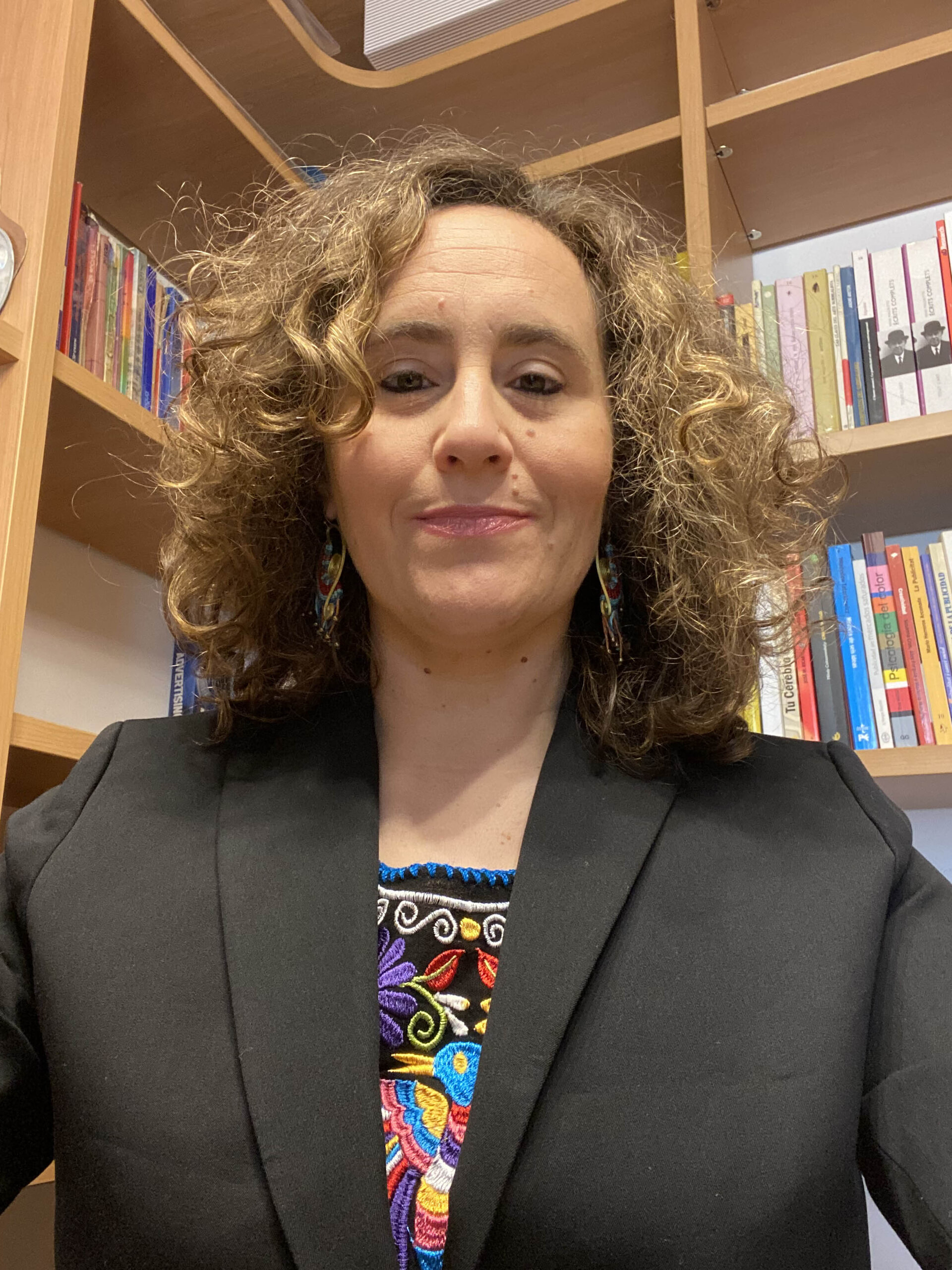


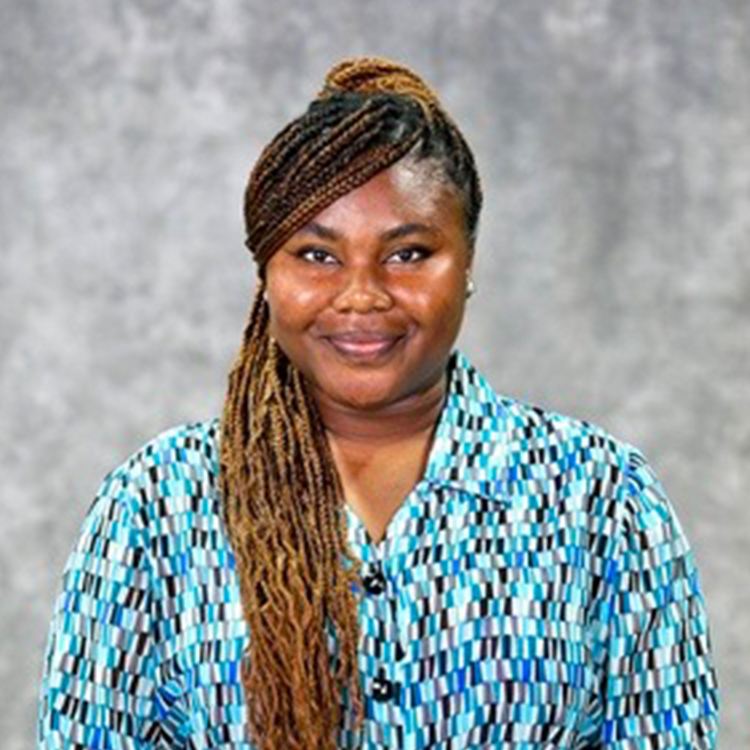
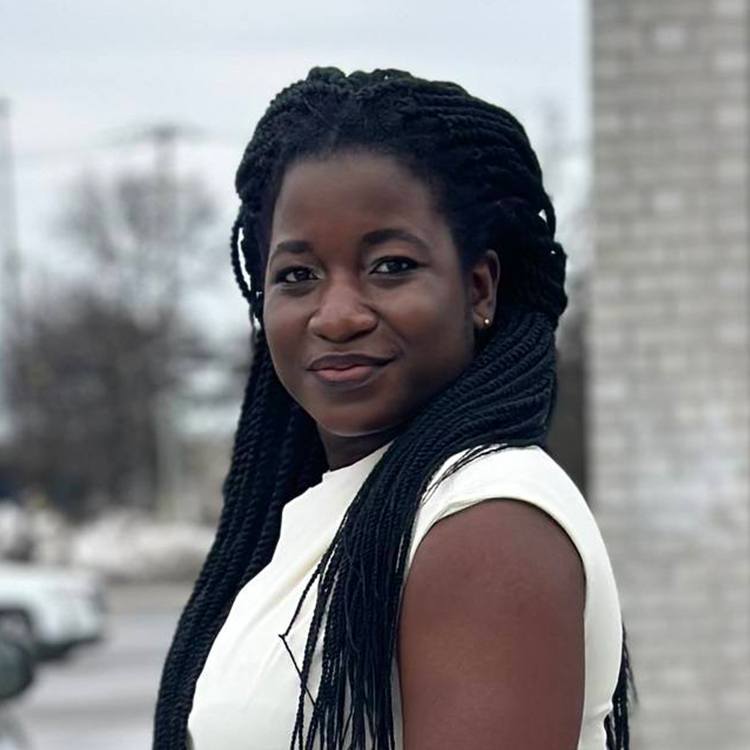
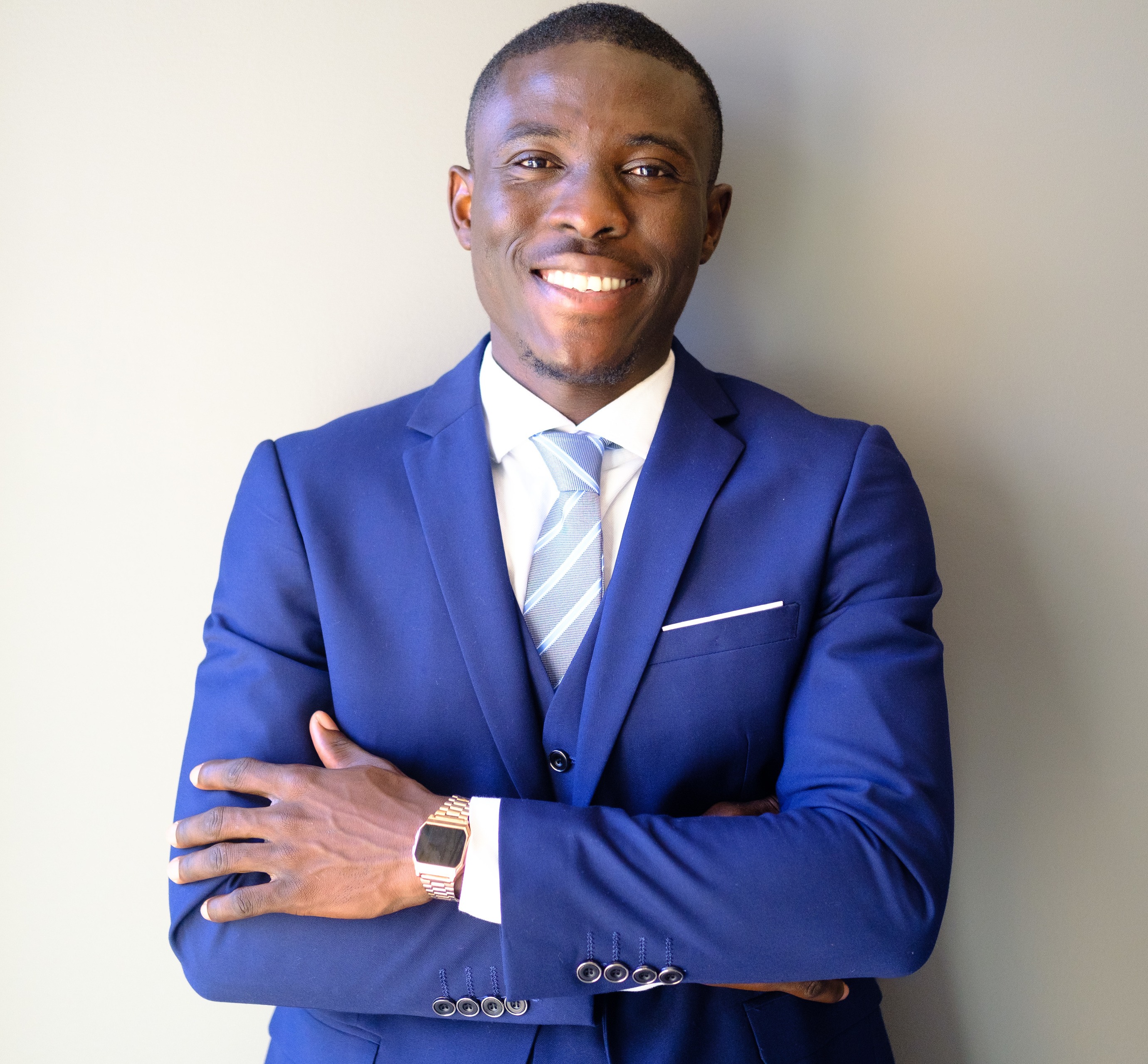
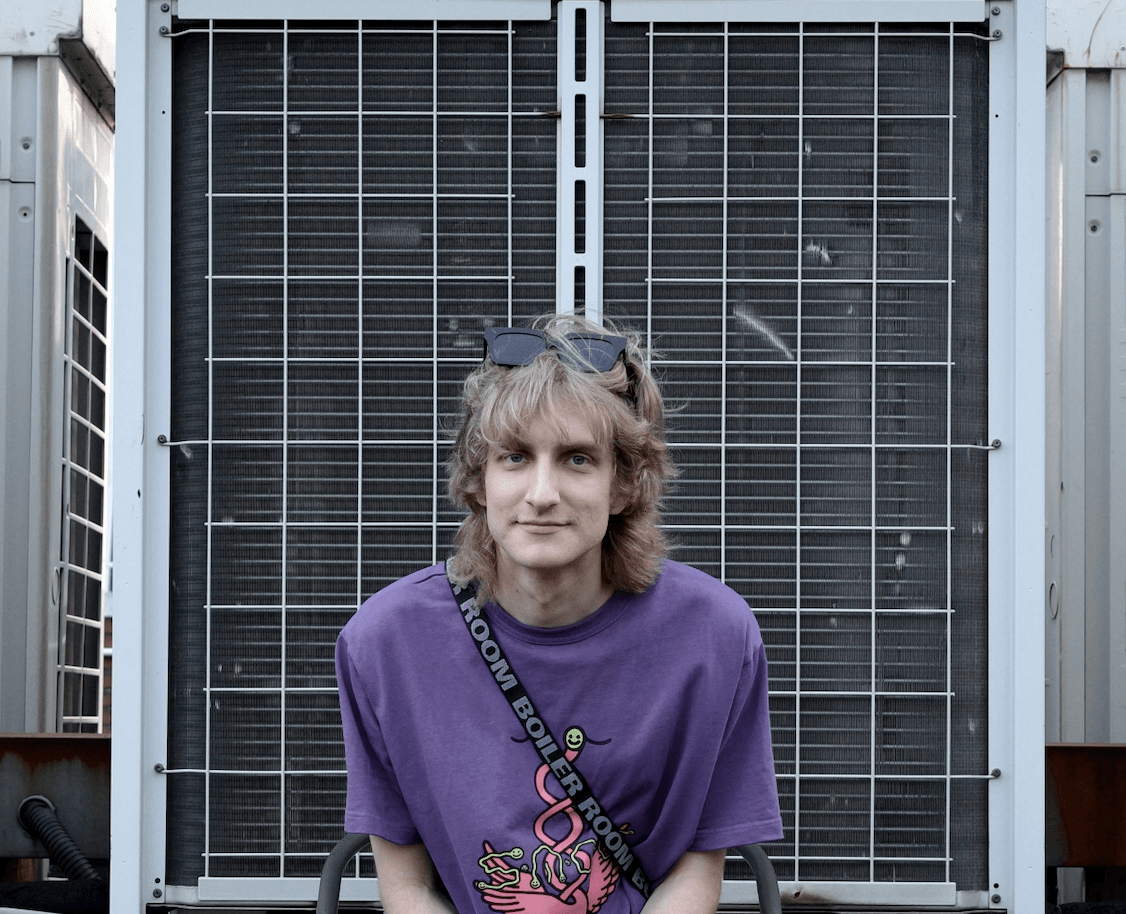
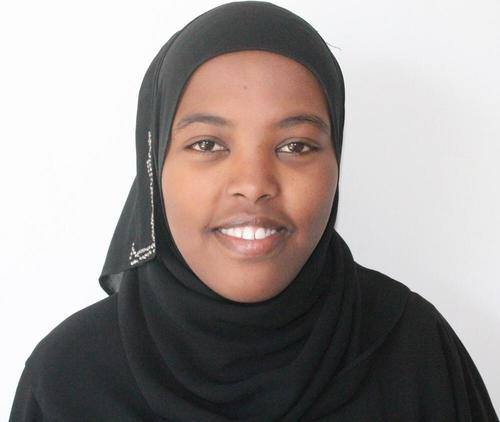
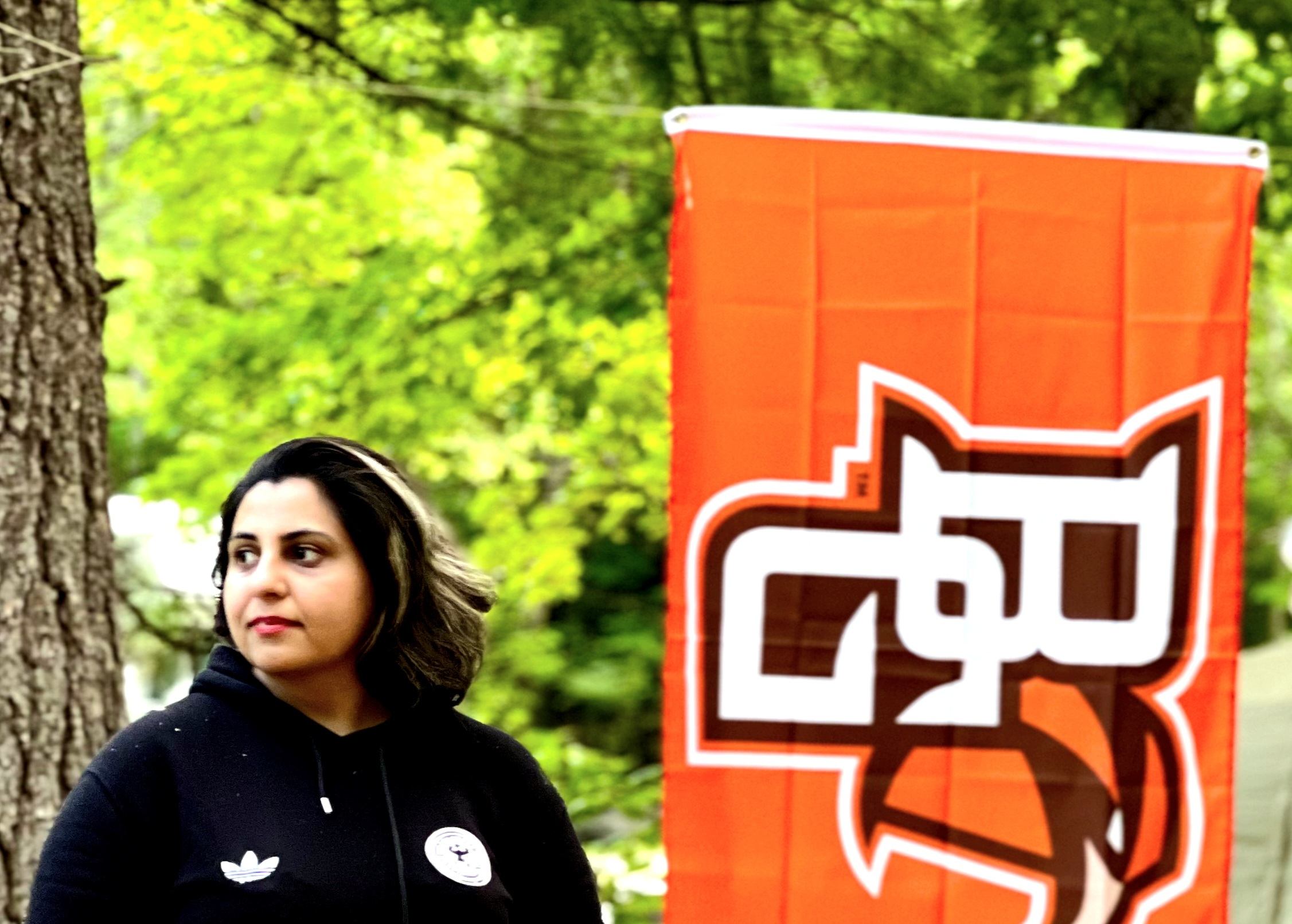
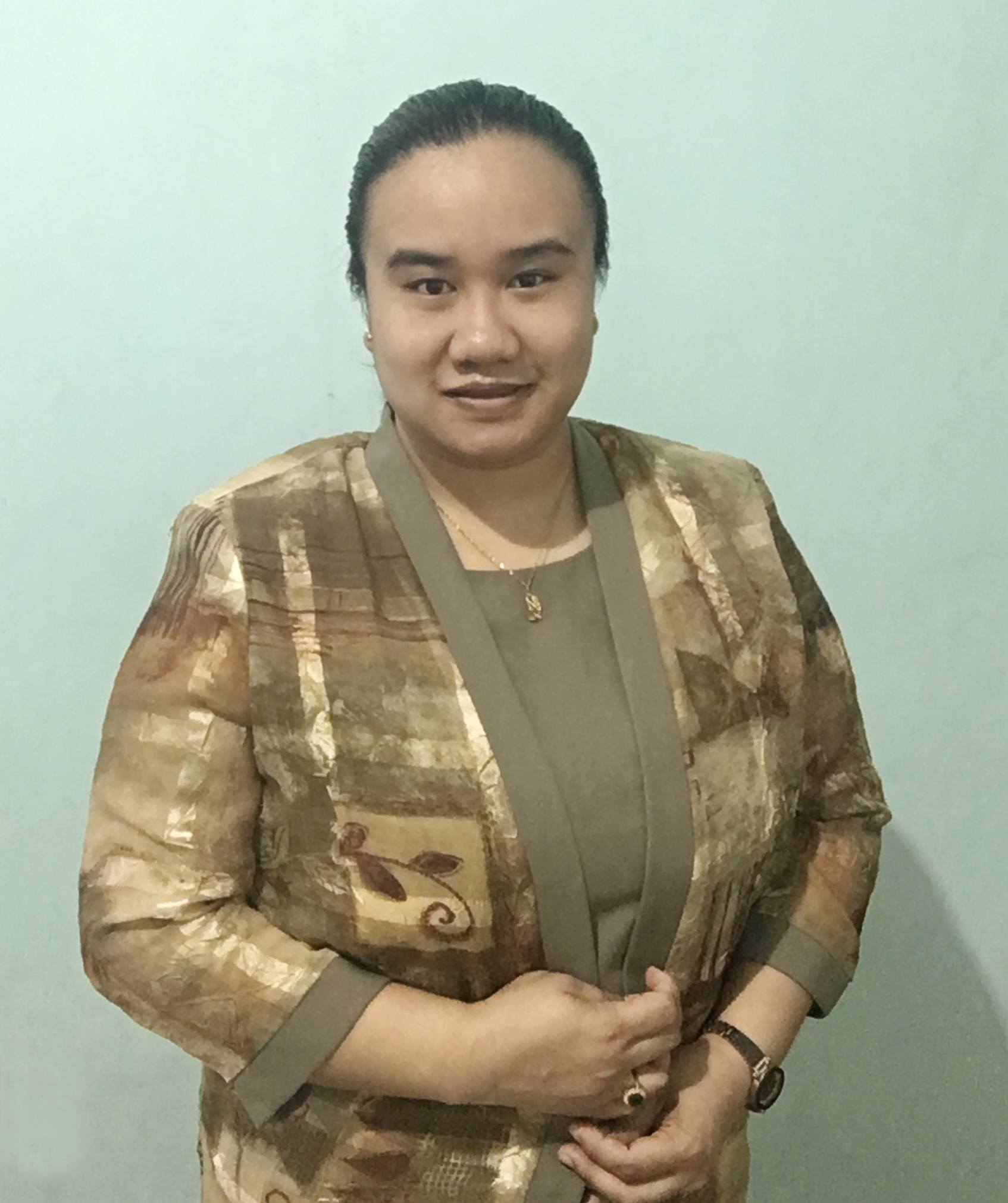

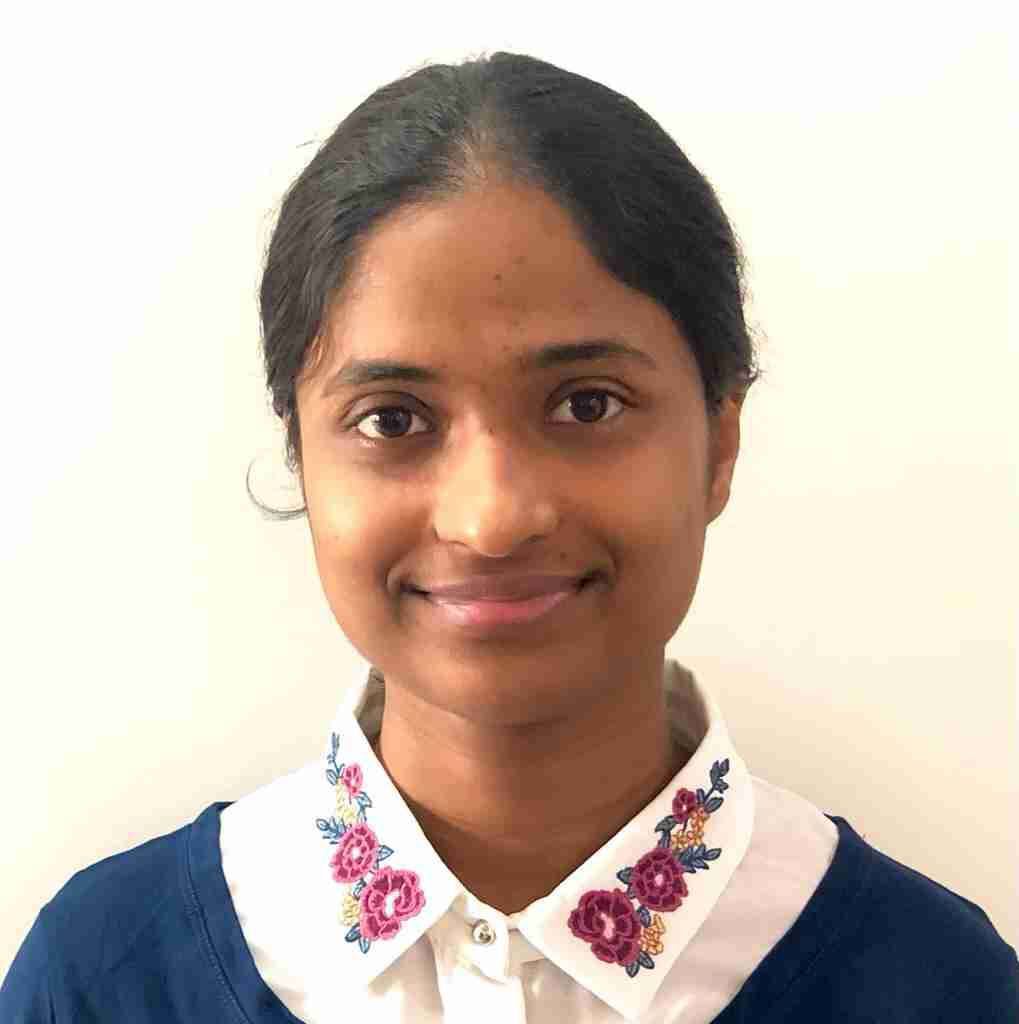
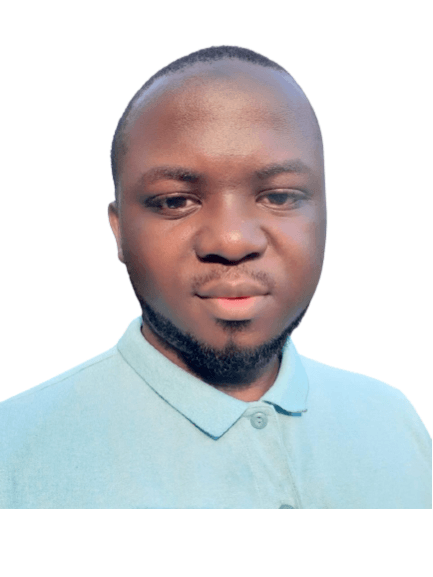
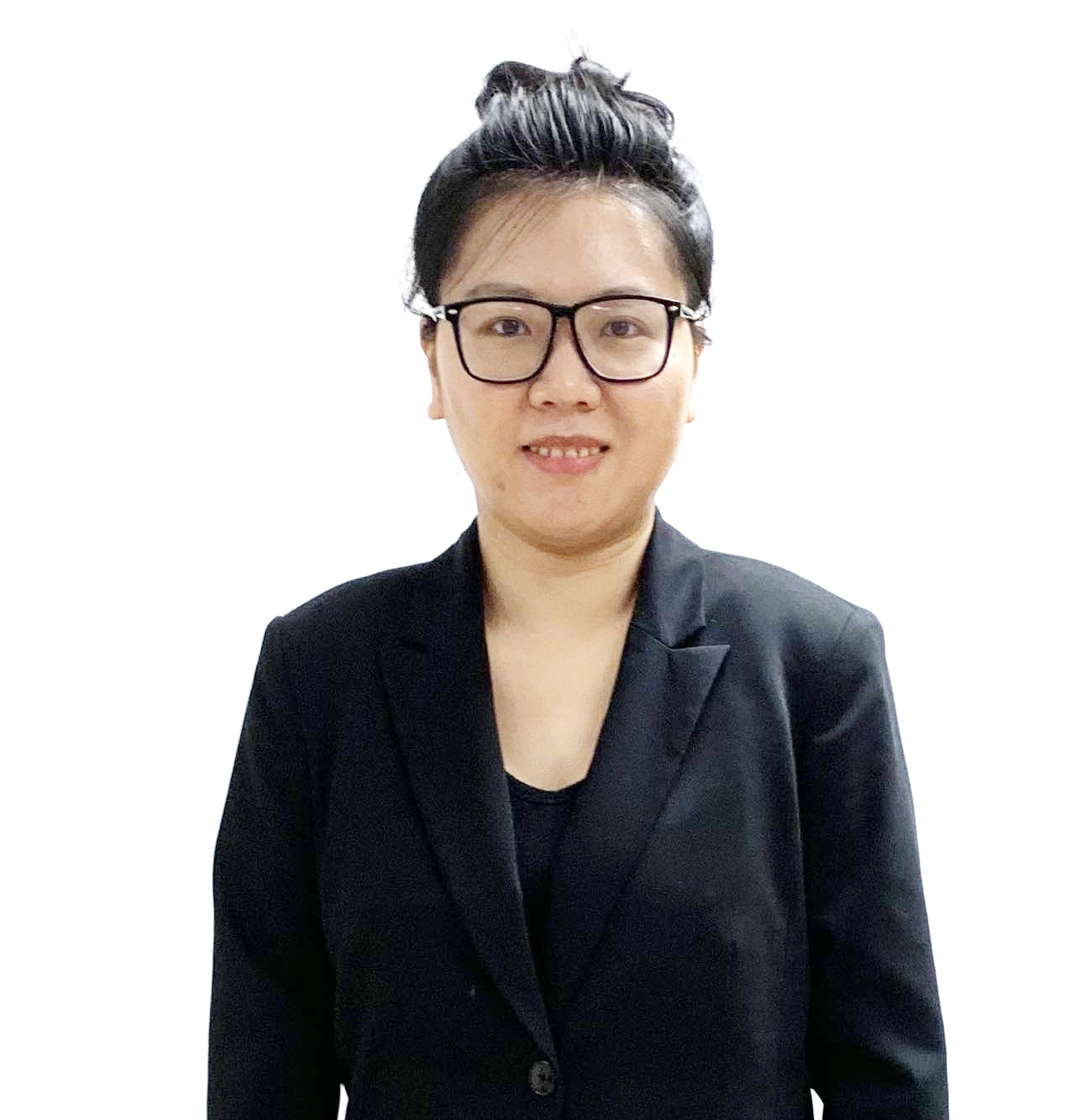
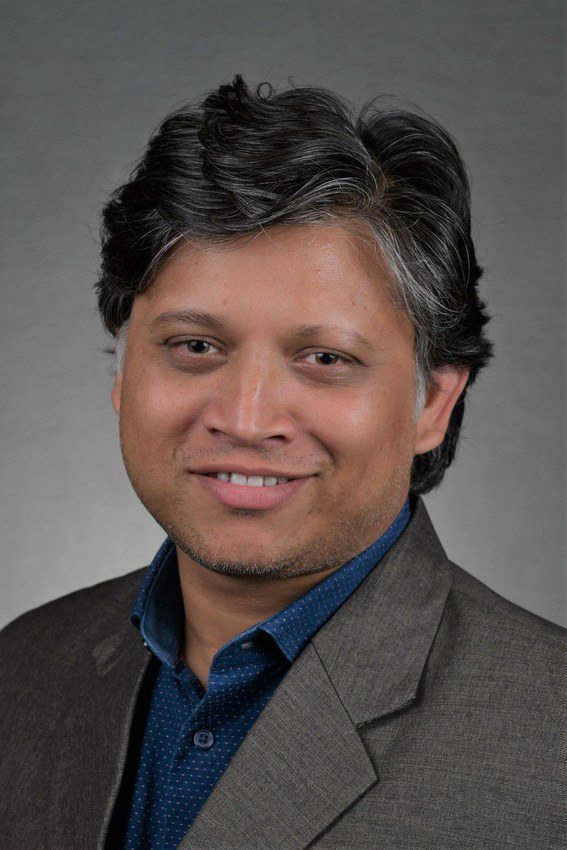
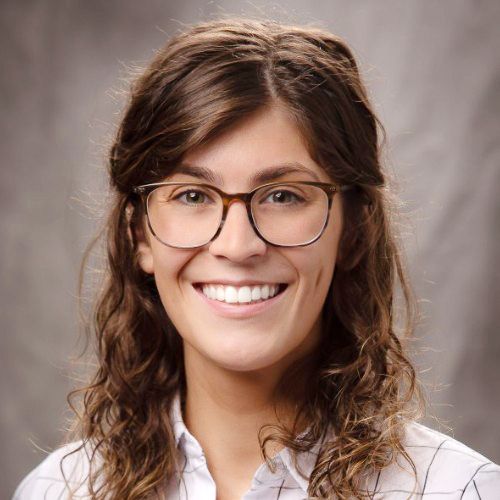
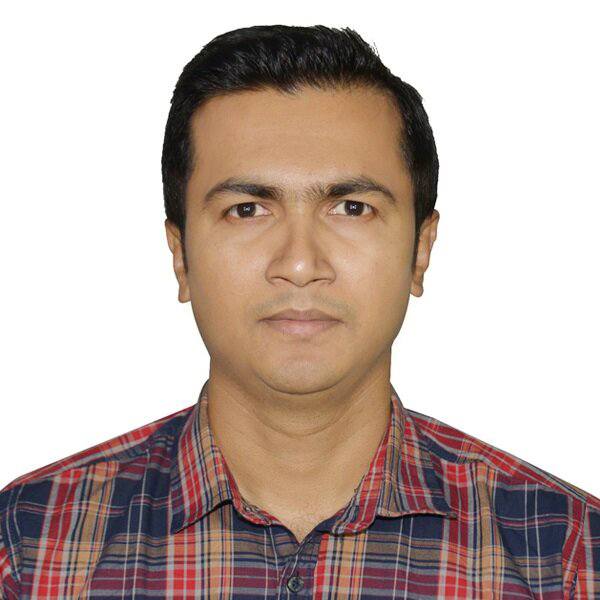
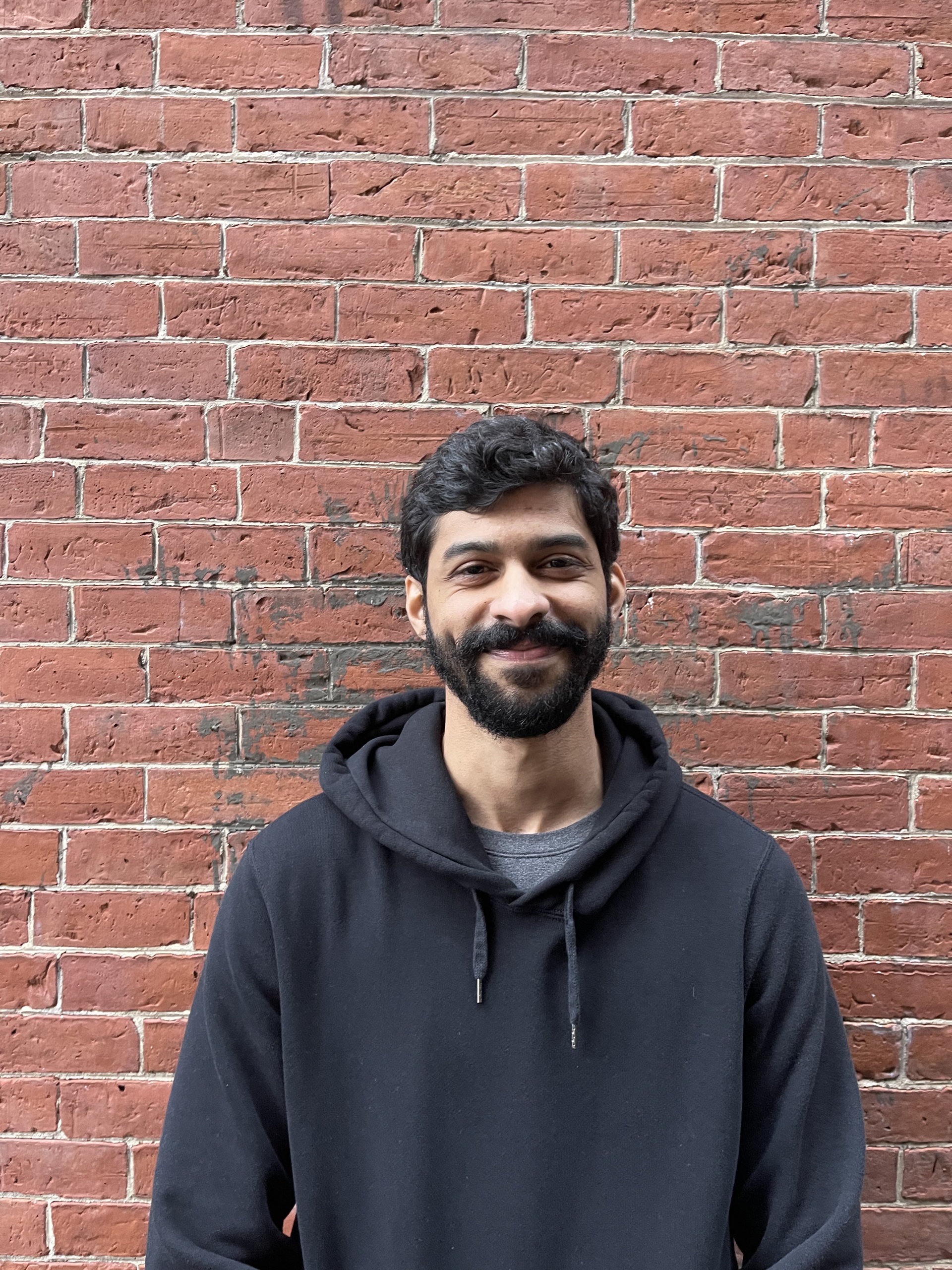
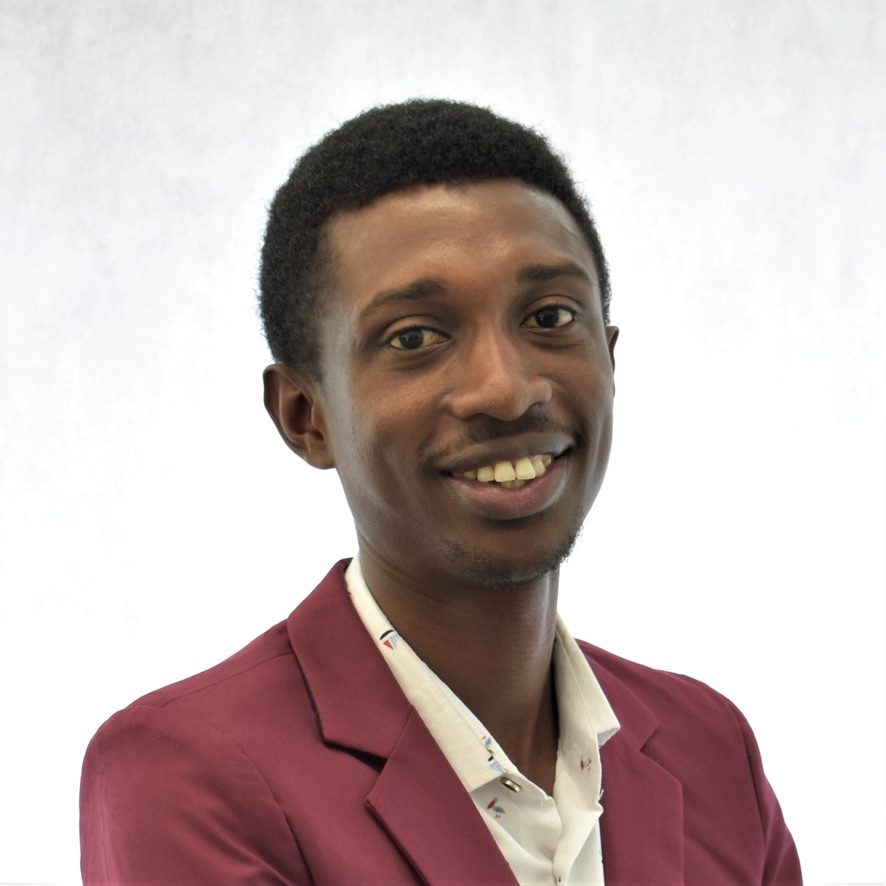
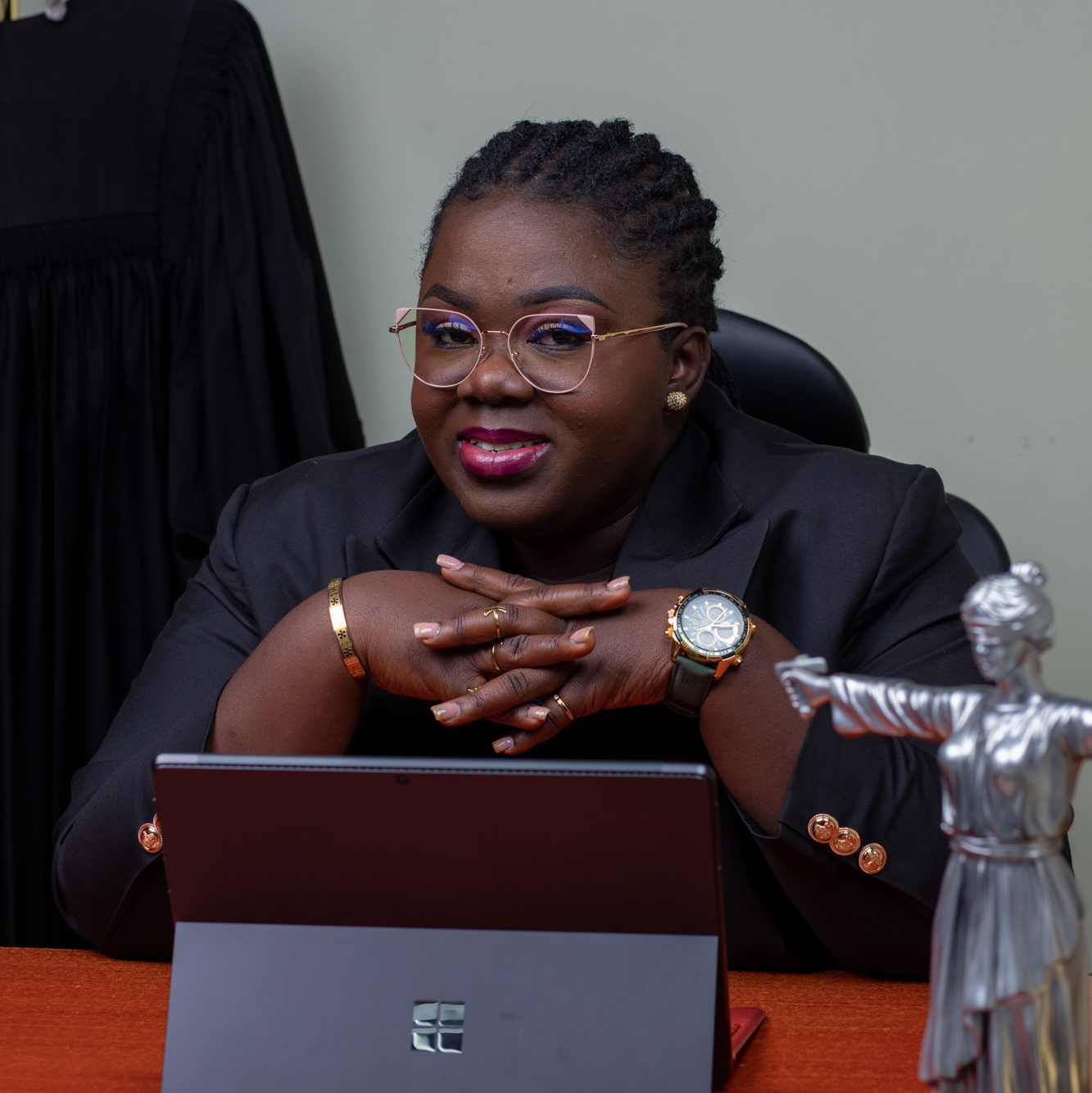
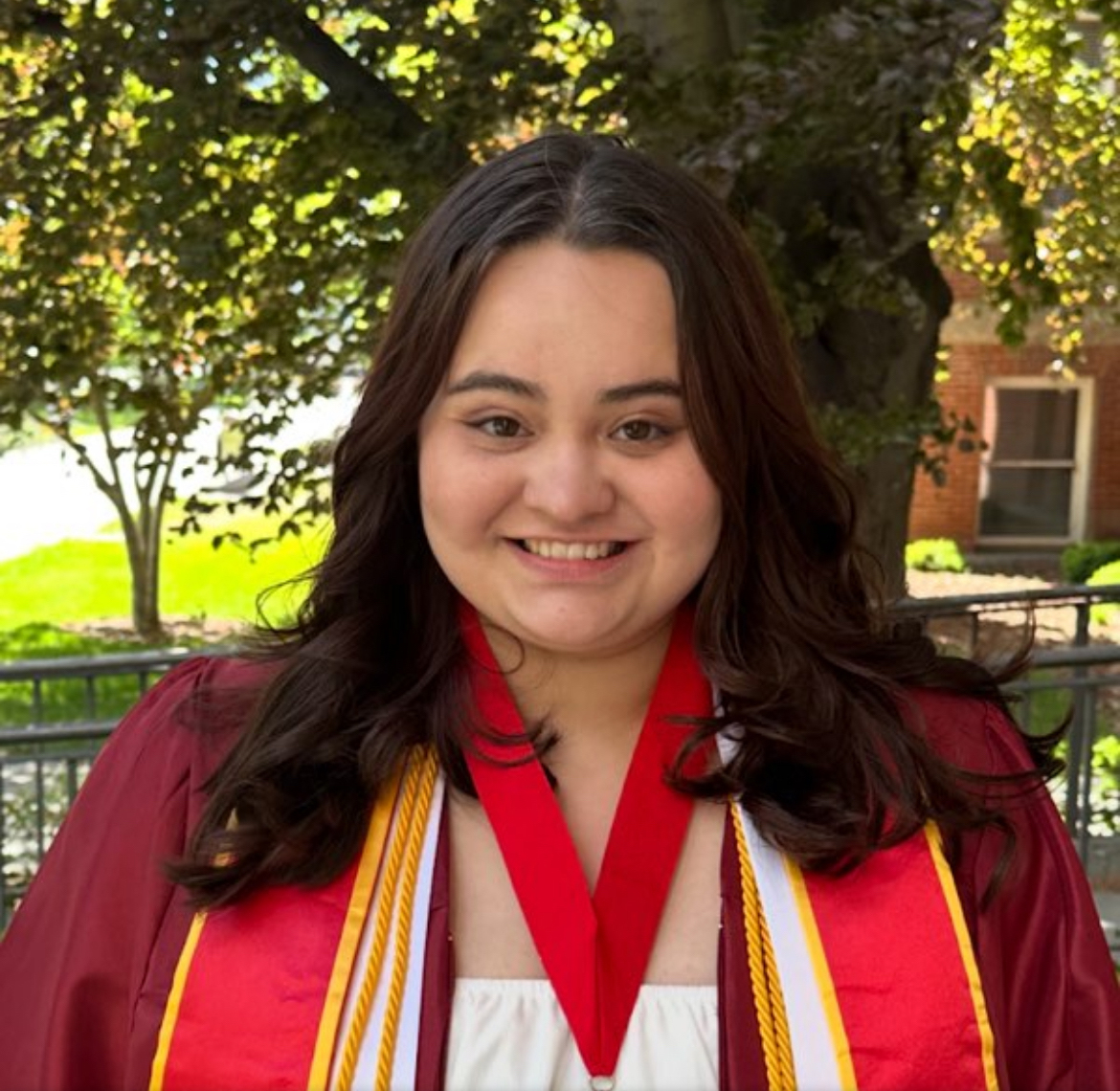
Affiliate Members:
Arijit Khan, Ph.D. Associate Professor, Department of Computer Science
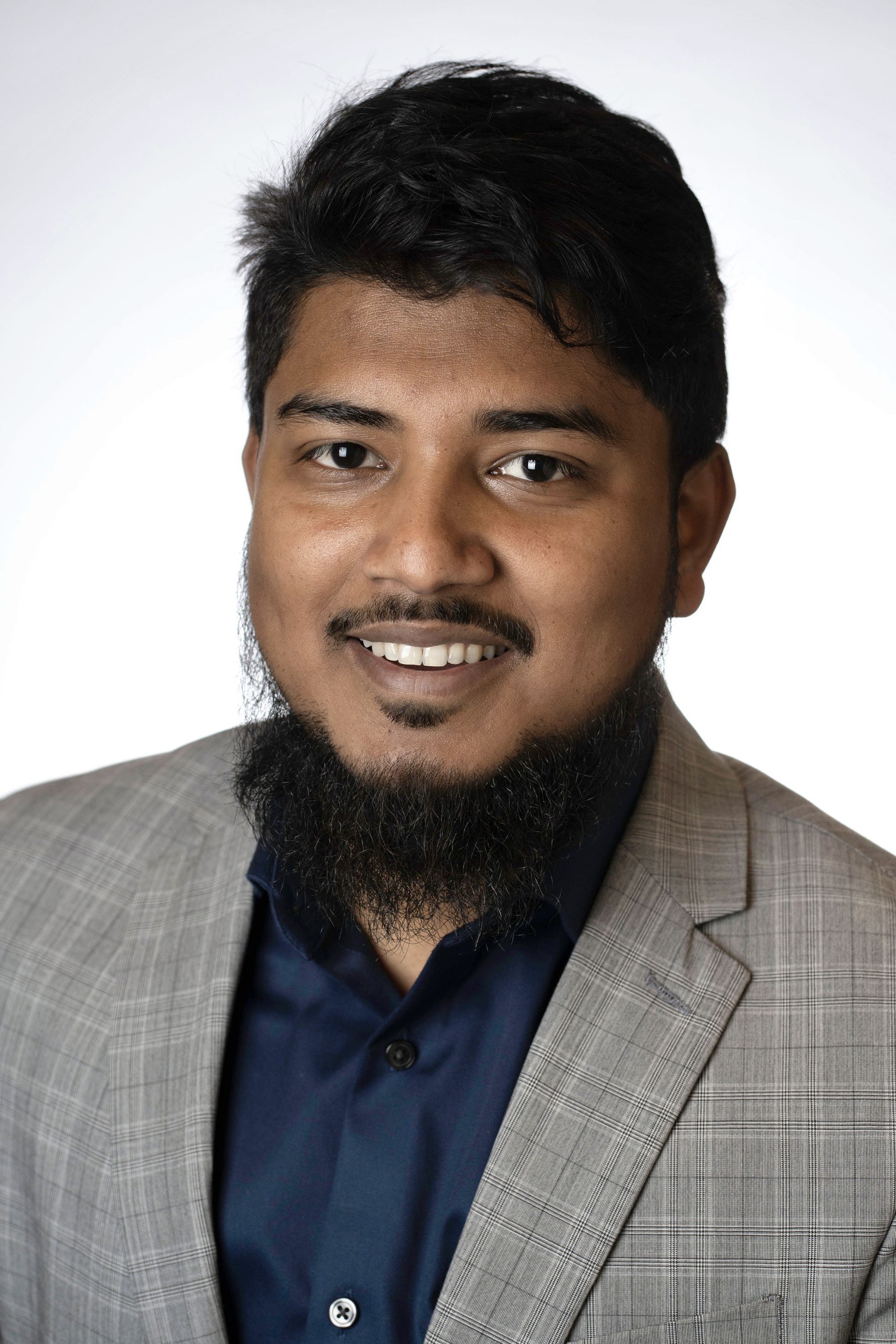
Arnob Rahee, PhD student, Data Science
Bi, Nicky Chang, Fiouna Ruonan Zhang and Louisa Ha (2018). “The Government’s Public Health Crisis Response Strategies and Online Opinion Leaders in China: A Case Study of the 2016 Illegal Expired Vaccine Scandal.” China Media Research 14(2), 16-28.
Ha, Louisa, Ke Guo, Peiqin Chen and Nan Lyu (2022). How Weibo Influencers and Ordinary Posters Responded to the U.S.-China Trade War. In Louisa Haand Lars Willnat (Eds.)(2022): The US-China Trade War: Global News Framing and Public Opinion in the Digital Age. Lansing, MI: Michigan State University Press, pp. 195-214.
Ha, Louisa, Rik Ray, Frankline Matanji, and Yang Yang (2022). “How News Media Content and Fake New about the Trade War Are Shared on Twitter: A Topic Modeling and Content Analysis.” In Louisa Haand Lars Willnat (Eds.) (2022): The US-China Trade War: Global News Framing and Public Opinion in the Digital Age. Lansing, MI: Michigan State University Press, pp. 125-144
Ha, Louisa and Yang Yang (2023). "Research about Persuasive Effects of Social Media Influencers as Online Opinion Leaders 1990-2020: A Review," International Journal of Internet Marketing and Advertising 18(2/3), 220- 241. DOI: 10.1504/IJIMA.2022.10043104
Ju, I., & Lou, C. (2022). Does Influencer–Follower Relationship Matter? Exploring How Relationship Norms and Influencer– Product Congruence Affect Advertising Effectiveness across Product Categories. Journal of Interactive Advertising. 22(2), 157-177.
Yang, Yang and Louisa Ha (2021). “Why People Use TikTok (Douyin) and How Their Purchase Intentions Are Affected by Social Media Influencers in China: A Uses and Gratifications and Parasocial Relationship Perspective,” Journal of Interactive Advertising, 21(3), 297-305. DOI:10.1080/15252019.2021.1995544.
Yang, Yang. "TikTok/Douyin Use and Its Influencer Video Use: A Cross-Cultural Comparison Between Chinese and US Users" Online Media and Global Communication 1, no. 2 (2022): 339-368. https://doi.org/10.1515/omgc-2022-0016
Yang, Y. (2024). The role of influencer trust, gender congruency, and expertise congruency: A cross-national comparison between Douyin and TikTok users in China and the USA. In Bi, N.C. & Zhang, R (Eds.), Global Perspectives on Social Media Influencers and Strategic Business Communication (pp. 248-272). IGI Global.
Kabir, M. E., & Ha, L. (2025). Influencers Against Hate: A Comparison of Counter Speech Strategies Among South Asian, East Asian, and Non Asian American Social Media Influencers. Howard Journal of Communications, 1-19. DOI:10.1080/10646175.2025.2494271
Taylor, A. G., & Ha, L. (2025). The Instagram Influencer and the Working Poor in the COVID-19 Pandemic. Western Journal of Communication, 89(3), 609–629. https://doi.org/10.1080/10570314.2025.2479284
Ali, H. L., Kasirye, F., & Ha, L. (2025). Does Follower Size Matter? Diversity of Sources and Credibility Assessment Among Social Media Influencers. Information, 16(11), 958. https://doi.org/10.3390/info16110958
Bahassan, O., Biswas, A., & Ha, L. (2025). The Role of Journalistic Background and Digital Content Creation Experience in Perceived Information Literacy: A Global Study of Content Creators. Journalism and Media, 6(4), 190. https://doi.org/10.3390/journalmedia6040190
Mensa, M. & Yang, Y. (2025). Women’s representation on Instagram: fashion influencers from GCC and non-GCC countries. Online Media and Global Communication. https://doi.org/10.1515/omgc-2025-0043
Yang, P., Chao, C., Qutub, A. & Bahassan, O. (2025). How social media influencers impact tourism and city image: a cross-cultural comparison of TikTok users in the United States and Saudi Arabia. Online Media and Global Communication. https://doi.org/10.1515/omgc-2025-0040
Ha, L., Ali, H. L., Zook, K., Biswas, A., Bahassan, O., Luo, M., Yang, Y., & Abuljadail, M. (2026). Factors Influencing Sponsorship Disclosure and Attitudes Toward Problematic Digital Marketing Practices of Social Media Influencers Worldwide. Journal of Theoretical and Applied Electronic Commerce Research, 21(1), 16. https://doi.org/10.3390/jtaer21010016
Mensa, M., Yang, Y., Sharma, S. & Ha, L. (2026). Gender and Advocacy: Social Causes and Brand Endorsements Among Global Social Media Influencers. Journalism and Media, 7 (1), 29. https://doi.org/10.3390/journalmedia7010029
Refereed Conference Papers
Ali, Halima, Felicity Sena Dogbatse, Jisha Jacob, and Faiswal, Kasirye (2024). A Cross-National Comparison of the Rise of Women Social Media Influencers in Kenya, Uganda, Ghana, and India: Exploring their Impact on Breaking Barriers, Driving Activism, and Empowering Others. Paper accepted by Feminist and Gender Studies Division, National Communication Association Annual Convention, New Orleans, Louisiana, November 24.
Kabir, Md. Enamul (2024). Is Counterspeech with hostile Tone the New Tactic for influencers Against Anti-Asian hate? A Computational Analysis of #StopAsianHate Tweets. A paper accepted by National Communication Association Annual Convention, New Orleans, Louisiana. November 21-24.
Clatt, M., & Bangero, H.B. (2025). Family social media influencers of Instagram: A cross-national comparison. Accepted by the Interpersonal Communication Division, 75th Annual Conference of the International Communication Association. Denver, Colorado, USA. June 12-16.
Arnab, B & Osama, B (2025). The Role of Digital Content Creators' Experience Level and Journalistic Background in Media Literacy and Critical Evaluation Skills: A Global Study. Accepted by the AEJMC Midwinter Conference, University of Oklahoma, March 7-8.
Luo, Man and Louisa Ha (2025). Promoting and Defending China from the West: How Pro-China Western YouTubers Engage Global Audiences as Social Media Influencers. APCA-ANPOR-UBD 2025 Conference, Brunei. May 27, 2025.
Bangero, H.B., Clatt, M., Jacob, J., & Kasirye, F. (August 2025). Global perspectives on content creators’ apologies and image-repair strategies: Implications for misinformation across platforms. Accepted by the Public Relations Division, San Francisco. Association for Education in Journalism and Mass Communication 2025 Conference. San Francisco, California, USA. August 7-10.
Shudipta Sharma, Arnab Biswas, Jisha Jacob, and Man Luo (2025). Between Efficiency and Authenticity: Global Perspectives on AI-Driven Content Creation Among Social Media Influencers. Presented at the South Asian Communication Association Session, Association for Education in Journalism and Mass Communication Annual Conference, August 7-10, San Francisco.
Shahla Shahnaz Dyuti, Md Enamul Kabir, Louisa Shu Ying Ha, and S M Russel Rabbi (2025). How South Asian Influencers Navigate Hate Speech: Patterns of Exposure and Response. Presented at the South Asian Communication Association Session, Association for Education in Journalism and Mass Communication Annual Conference, August 7-10, San Francisco.
Yanqin Lu, Peiqin Chen, and Kairui Ye (2025). Impact of social media influencers on nationalism and government satisfaction: A moderated mediation model of information exposure and cognitive elaboration.Presented at the Political Communication Division, Association for Education in Journalism and Mass Communication Annual Conference, August 7-10, San Francisco.
Shahla Dyuti, S M Russel Rabbi, Louisa Ha (2026) How Social Media Influencers Navigate Hate Speech: A Comparative Study of Exposure and Coping Strategies between South Asian and Influencers Worldwide. 1st place winner in the Debut Paper category, International Division, Broadcast Education Association Annual Conference, April 17-21, Las Vegas.
Hyacinth Balediata Bangero, Faiswal Kasirye, Saadia Farooq, Shahla Shahnaz Dyuti, S M Russel Rabbi (2026) The Social Media Framing of Artificial Intelligence by ‘Mega-Influencer’ News Outlets: A Multi-Platform Analysis of Sources, Trends, and Influence. 1st place winner of Debut Paper category, News Division, Broadcast Education Association Annual Conference, April 17-21, Las Vegas.
Yanqin Lu and Yining Yan (2026) Social media influencers equalize civic engagement gaps: Evidence from a national survey in China, Social Media Special Interest Group, Broadcast Education Association Annual Conference, April 17-21, Las Vegas.
Research Report
Ha, Louisa (2024). Behind the Screens: Insights from Digital Content Creators. Understanding Their Intentions, Practices and Challenges. UNESCO. https://unesdoc.unesco.org/ark:/48223/pf0000392006
Book Reviews
Jisha Jacob: Momfluenced: Inside the Maddening, Picture-Perfect World of Mommy Influencer Culture, by Sara Petersen. Boston: Beacon Press, 2023. 309 pp., $18.95 (paperback). ISBN: 9780807093382. View PDF
Arnab Biswas: The Rise of the Algorithms: How YouTube and TikTok Conquered the World by John M. Jordan. View pdf
Ali, H. L. (2025). Book Review: TikTok: Creativity and culture in short video by Kaye, D. B. V., Zeng, J., & Wikström, P. Mobile Media & Communication, 0(0). View pdf
Dyuti, S. S. (2025). Book Review: The women of the far right: Social media influencers and online radicalization, by E. Leidig. International Journal of Communication, 20, Article 26318. View pdf
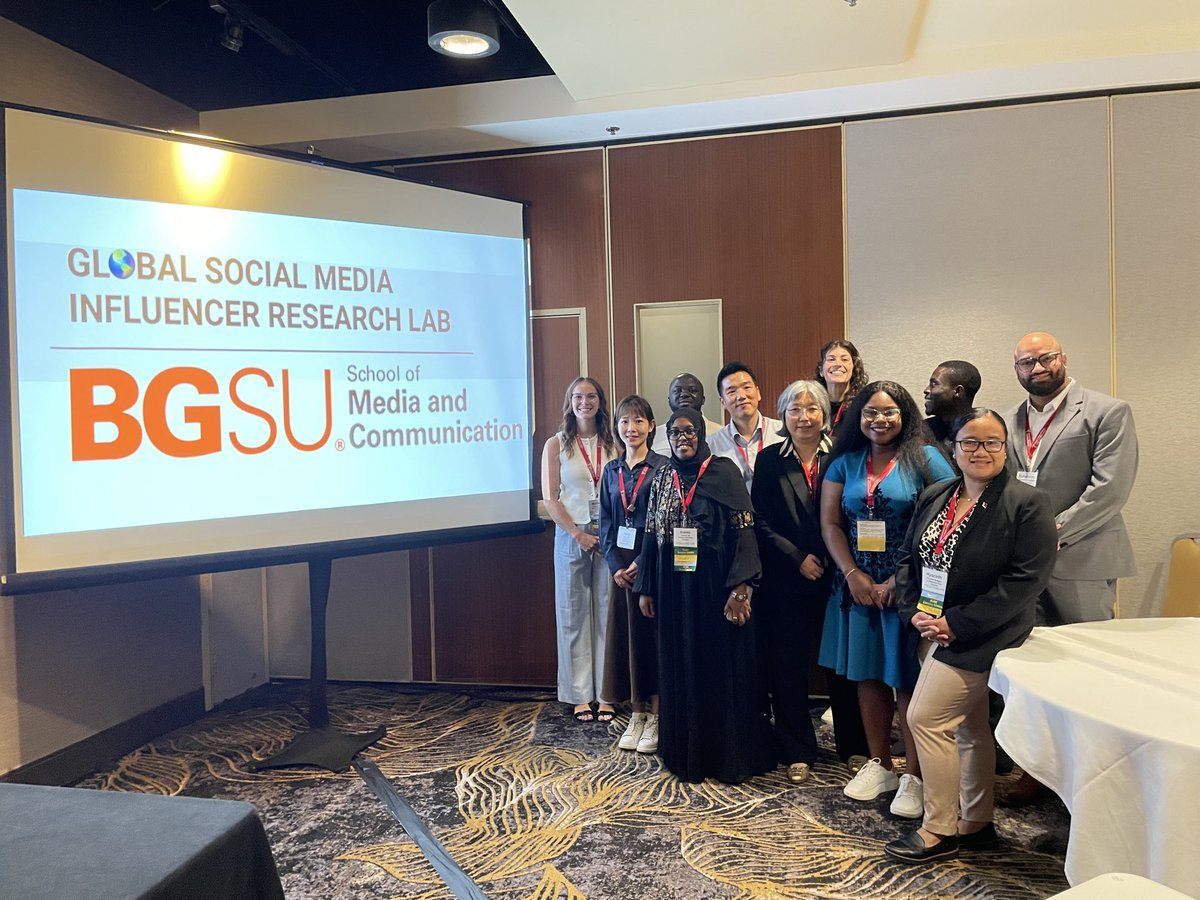
August 9 | Friday | 8:30 - 10 a.m.
Advertising and International Communication Divisions Joint PF & R Panel Session
Social Media Influencers Around the World: Issues and Impact
Moderating/Presiding
Louisa Ha, Bowling Green State University, Founder and Director, BGSU Global Social Media Influencer Research Lab
Panelists
Global Social Media Influencers and their Role in the National Branding of Saudi Arabia
Mohammad Abuljadail, King Abdulaziz University
Chinese Social Media Influencer Li Jiaqi's Reputation Crisis and A Reconsideration of The Impact of Influencer Trust on The Influencer Consumer Relationship
Yang Yang, Southern Indiana University
Important Role Black and African Social Media Influencers Play in The World of Beauty and Fashion and Lifestyle to Accepting African Beauty in Corporate Spaces
Amonia Tolofari, University of Southern Mississippi
Virtual Influencer Popularity in South Korea
Ilyoung Ju, Bowling Green State University
A Cross-national Comparison of Family Influencers
Hyacinth Bangero and Madison Clatt, Bowling Green State University
Challenges LGBTQ Influencers Face When Their Product Endorsement Create Controversy for Major Brands
Kelsey Zook Bowling Green State University
International Communication and Media Ethics Divisions
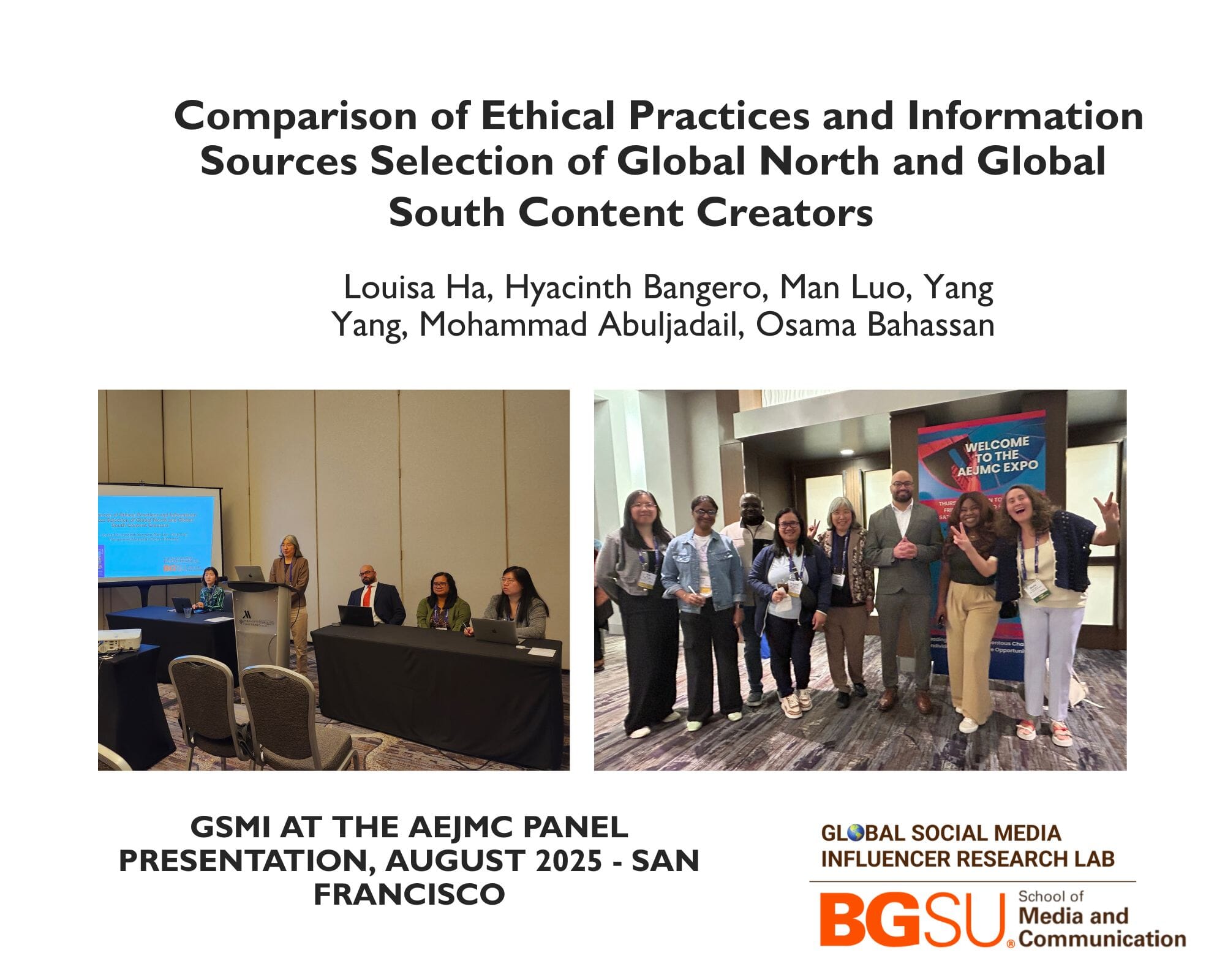
Professional Freedom and Responsibility Panel, Association for Education in Journalism and Mass Communication Annual Conference, August 7, San Francisco.
A Global Comparison of Ethical Practices and Information Literacy of Journalists and Content Creators
Moderating/Presiding: Louisa Ha, Bowling Green State
Panelists: Mohammad Abuljadail, Hyacinth Bangero, Man Luo, Yang Yang
This panel addressed the PFR issues of content creators based on a large global UNESCO study of journalists and content creators of 44 countries and a special administrative zone across six continents. The mixed methods study with original interviews and survey results revealing the ethical practices, information literacy, sourcing, and information sharing practices on social media of these social media influencers in both Global North and Global South countries.
"Behind the Screens: Insights from Digital Content Creators” Understanding digital content creators’ intentions, practices and ethics"
Dr. Louisa Ha and research lab members (Mohammad Abuljadail, Halima Ali, Osama Mohammed Bahassan, Hyacinth Bangero, Arnab Biswas, Madison Clatt, Jisha Jacobs, Faiswal Kasirye, Man Luo, Kelsey Zook, Yang Yang) and affiliate team member Marta Mensa of the University of North Texas are conducting an 8-language global survey and in-depth interviews and of journalist and non-journalists content creators for UNESCO’s Communication and Information Sector.
Check out the latest UNESCO content creators report
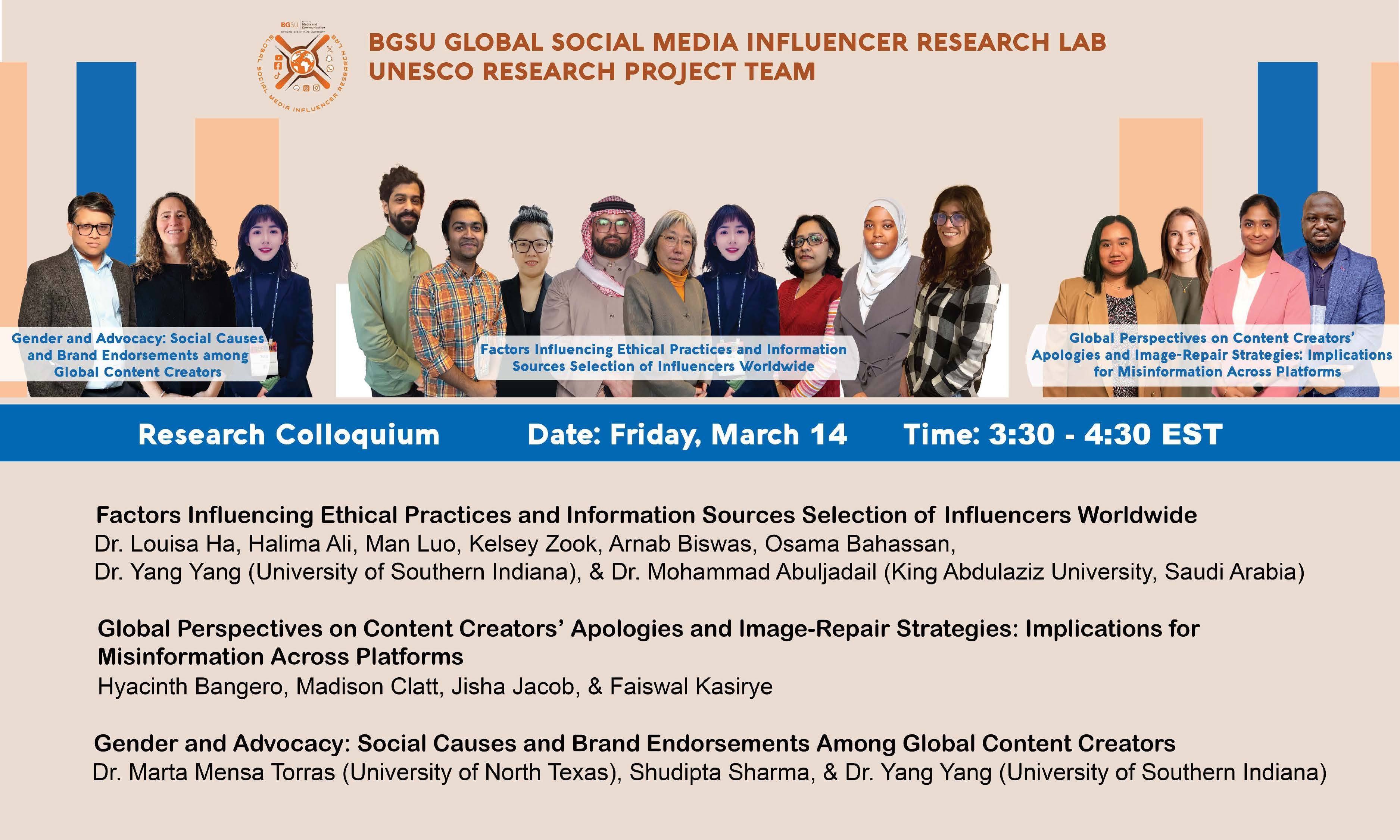
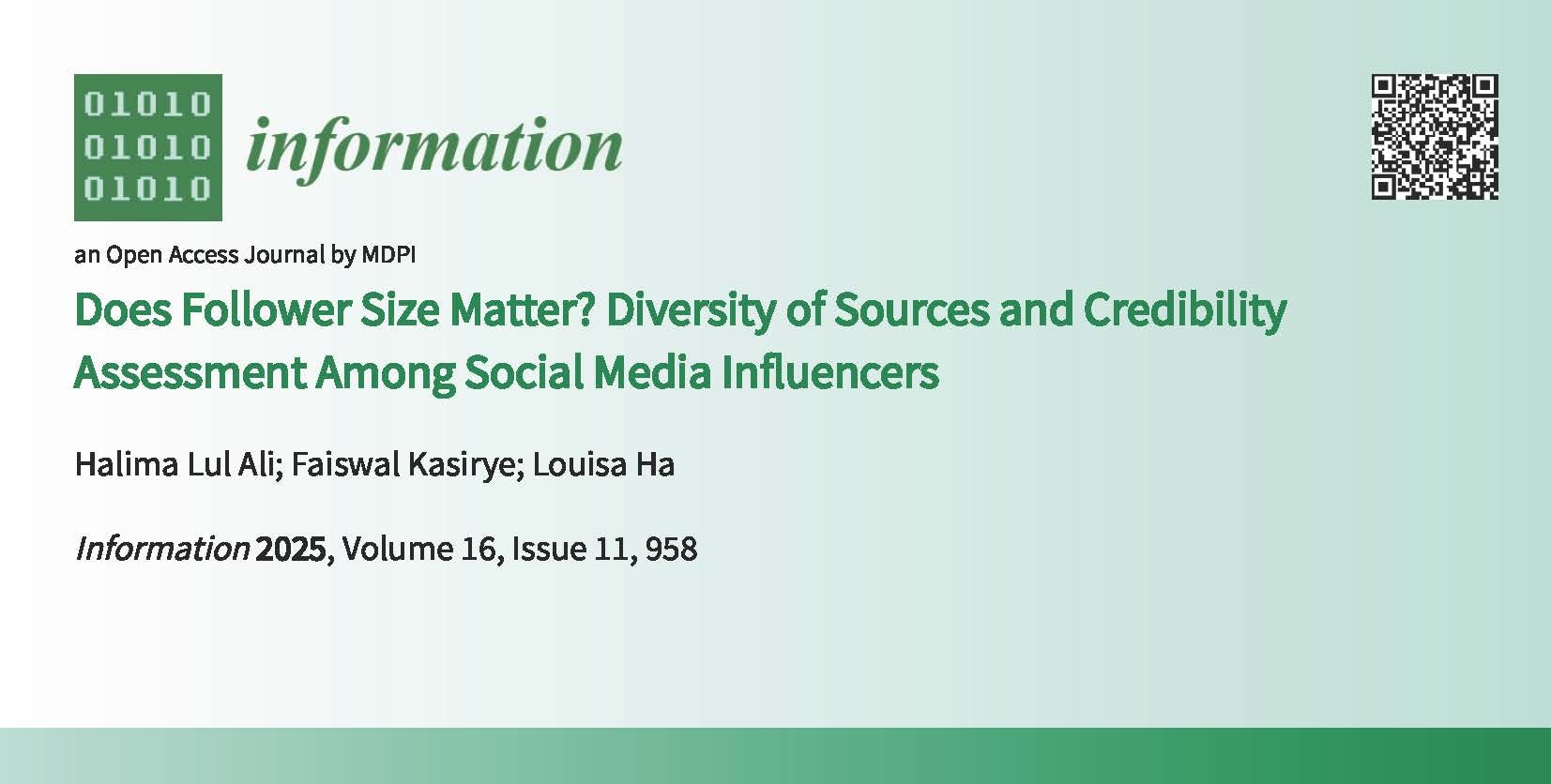
Ha, L., Ali, H. L., Zook, K., Biswas, A., Bahassan, O., Luo, M., Yang, Y., & Abuljadail, M. (2026). Factors Influencing Sponsorship Disclosure and Attitudes Toward Problematic Digital Marketing Practices of Social Media Influencers Worldwide. Journal of Theoretical and Applied Electronic Commerce Research, 21(1), 16. https://doi.org/10.3390/jtaer21010016
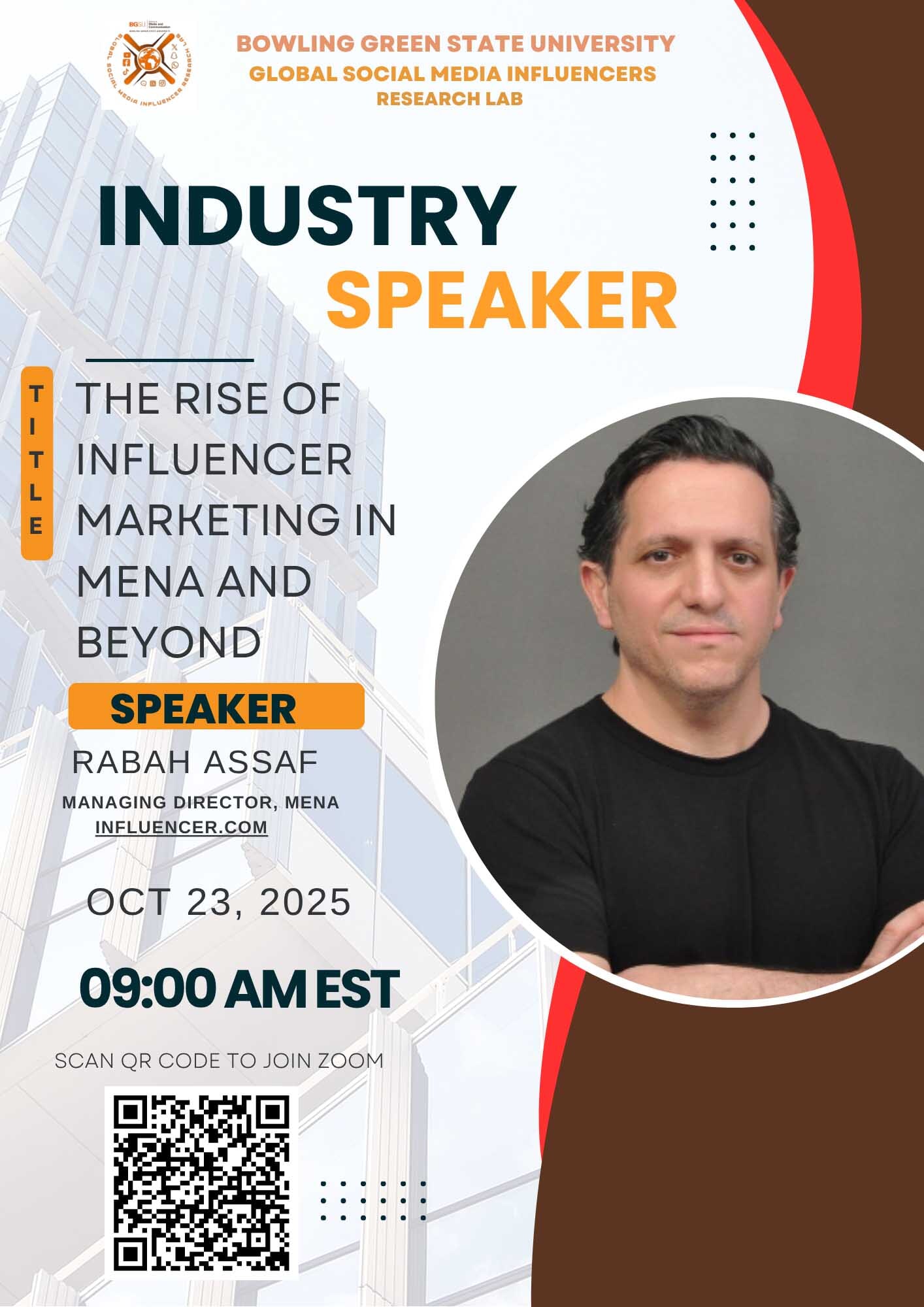
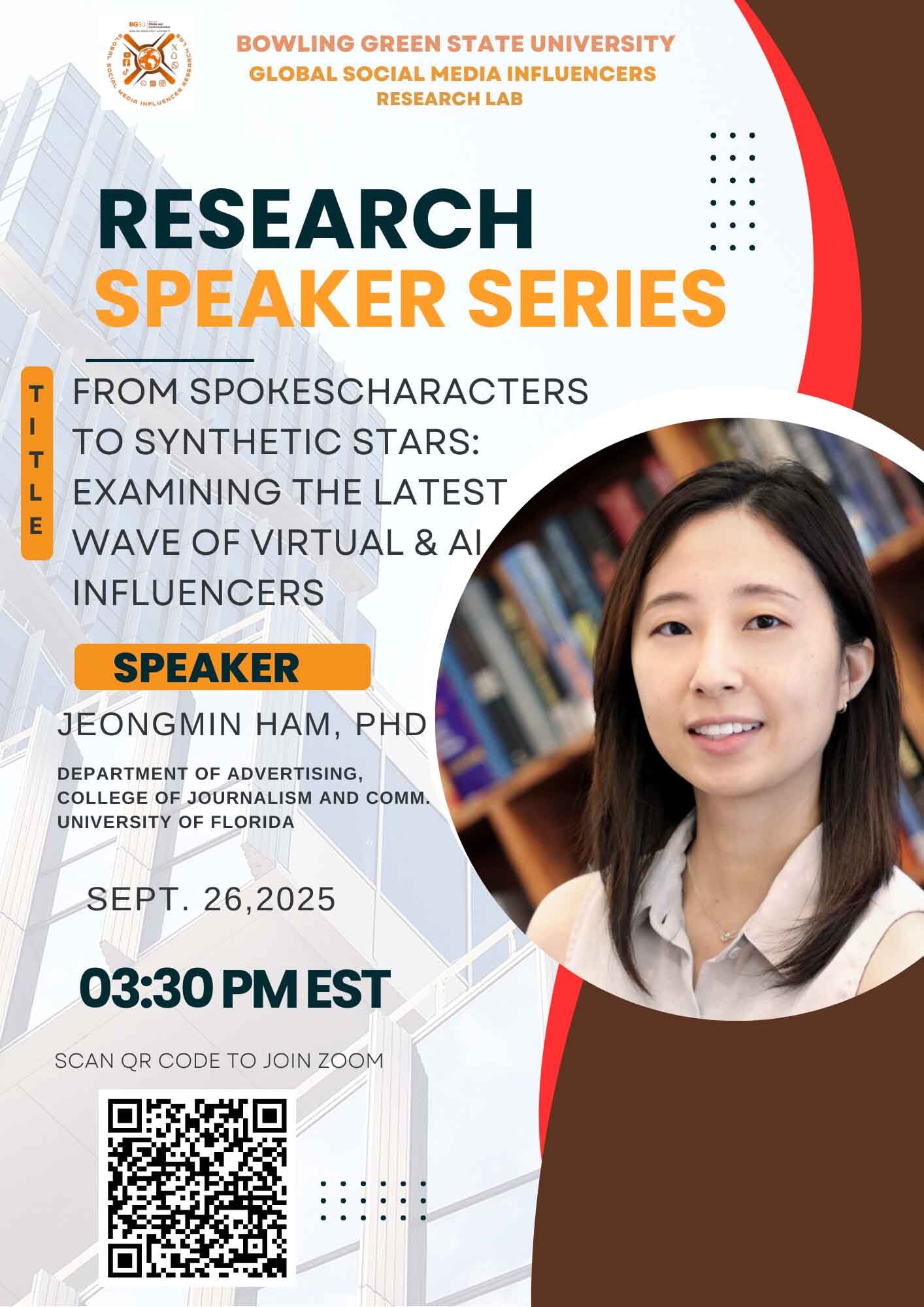
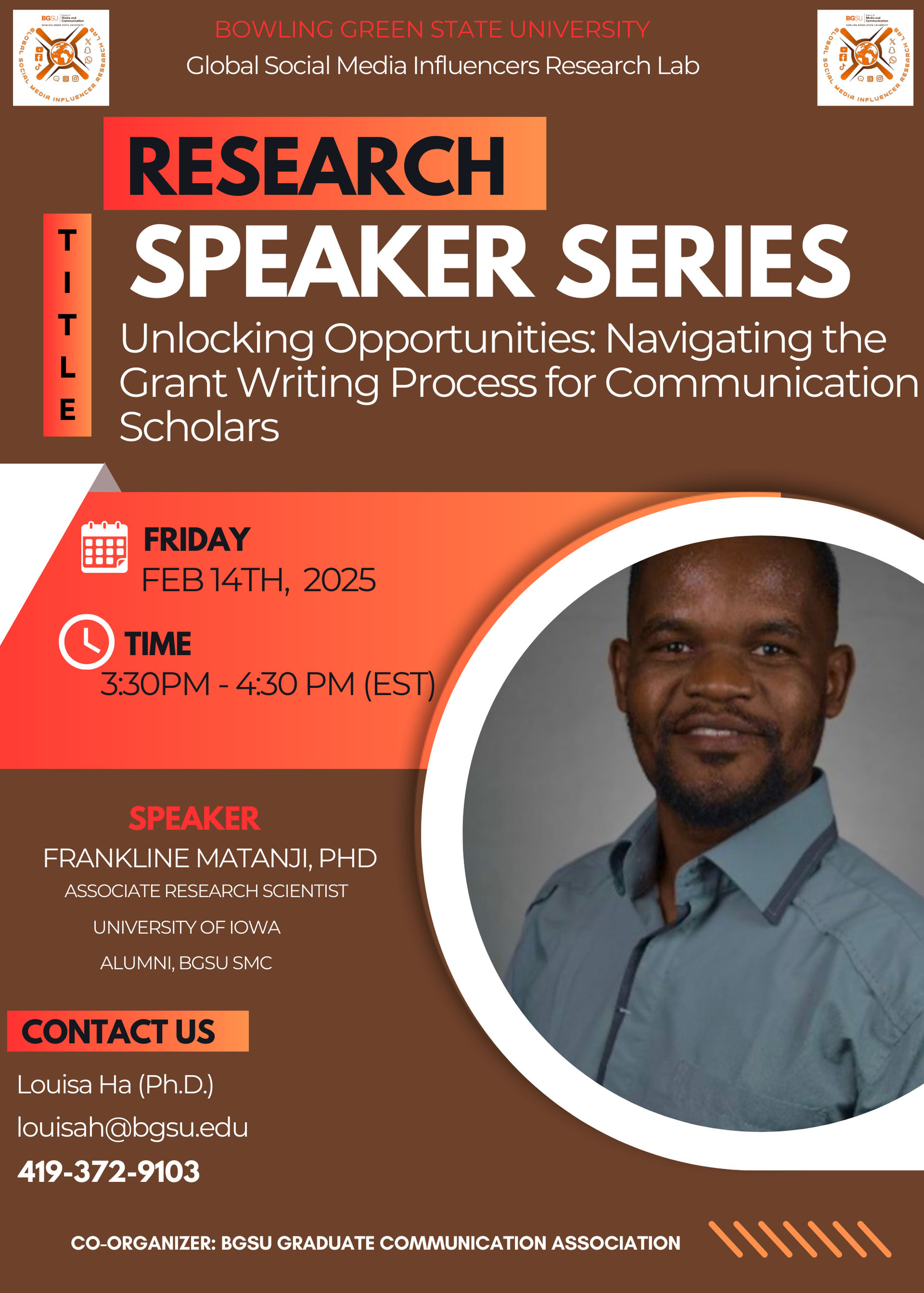
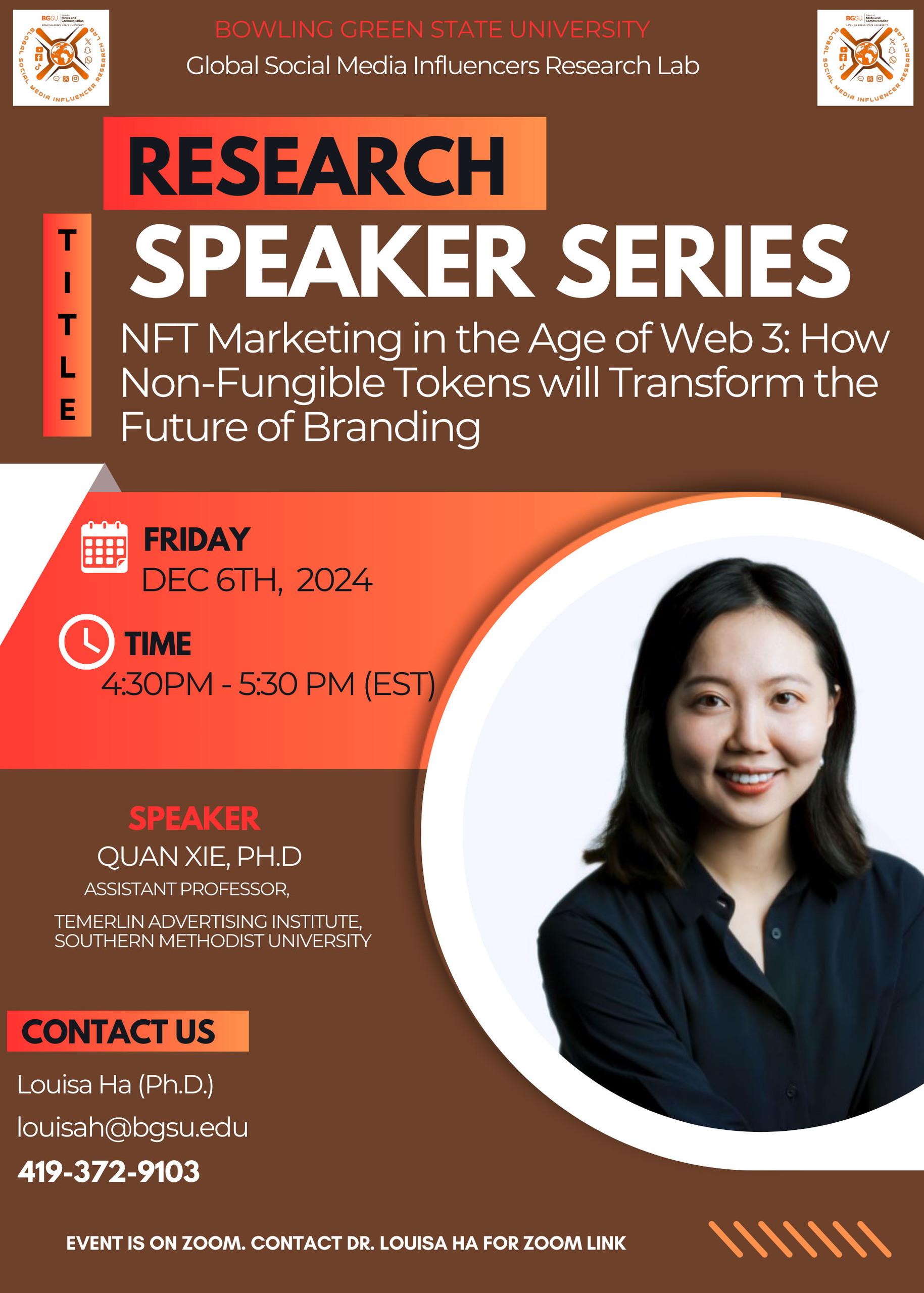
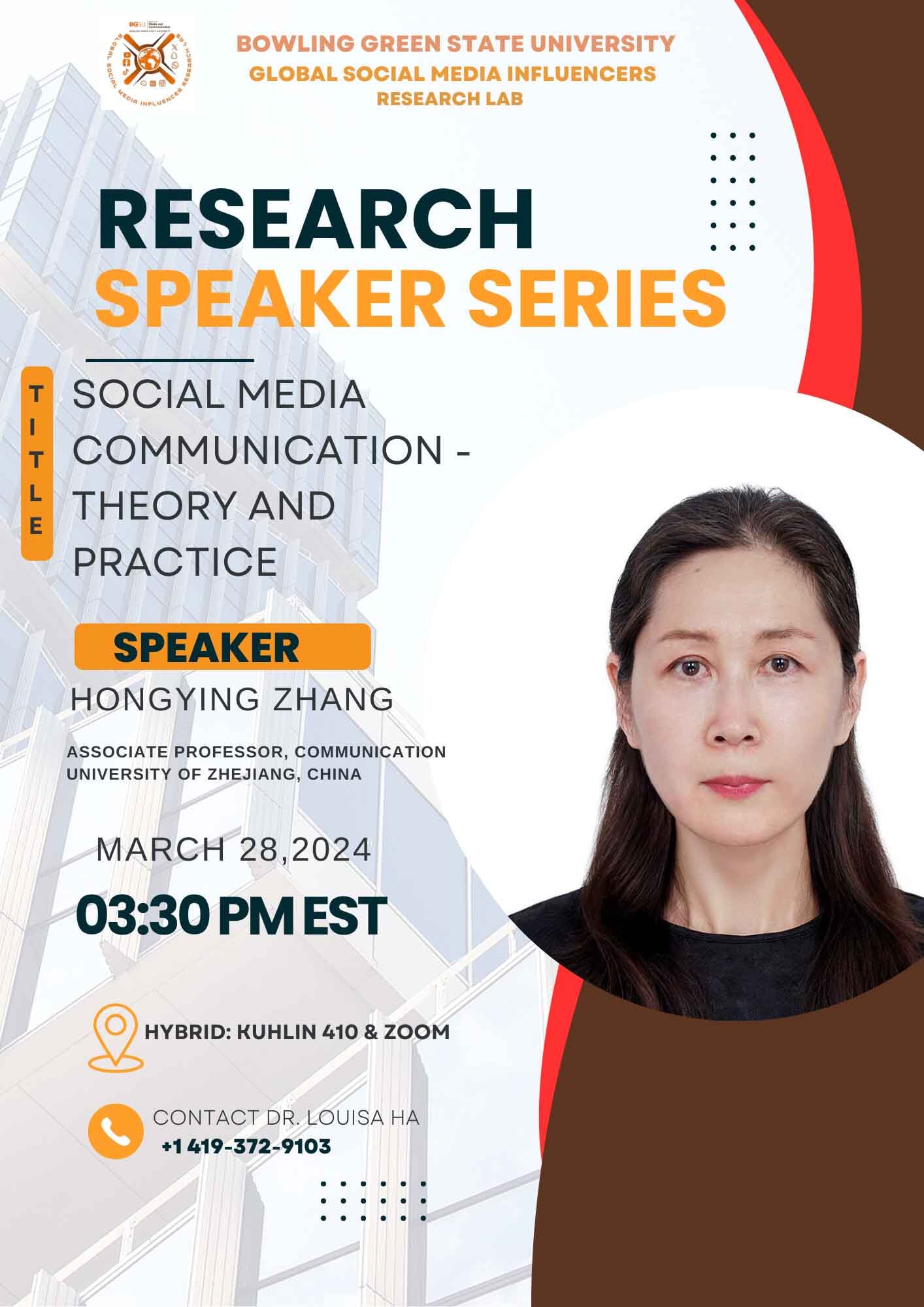
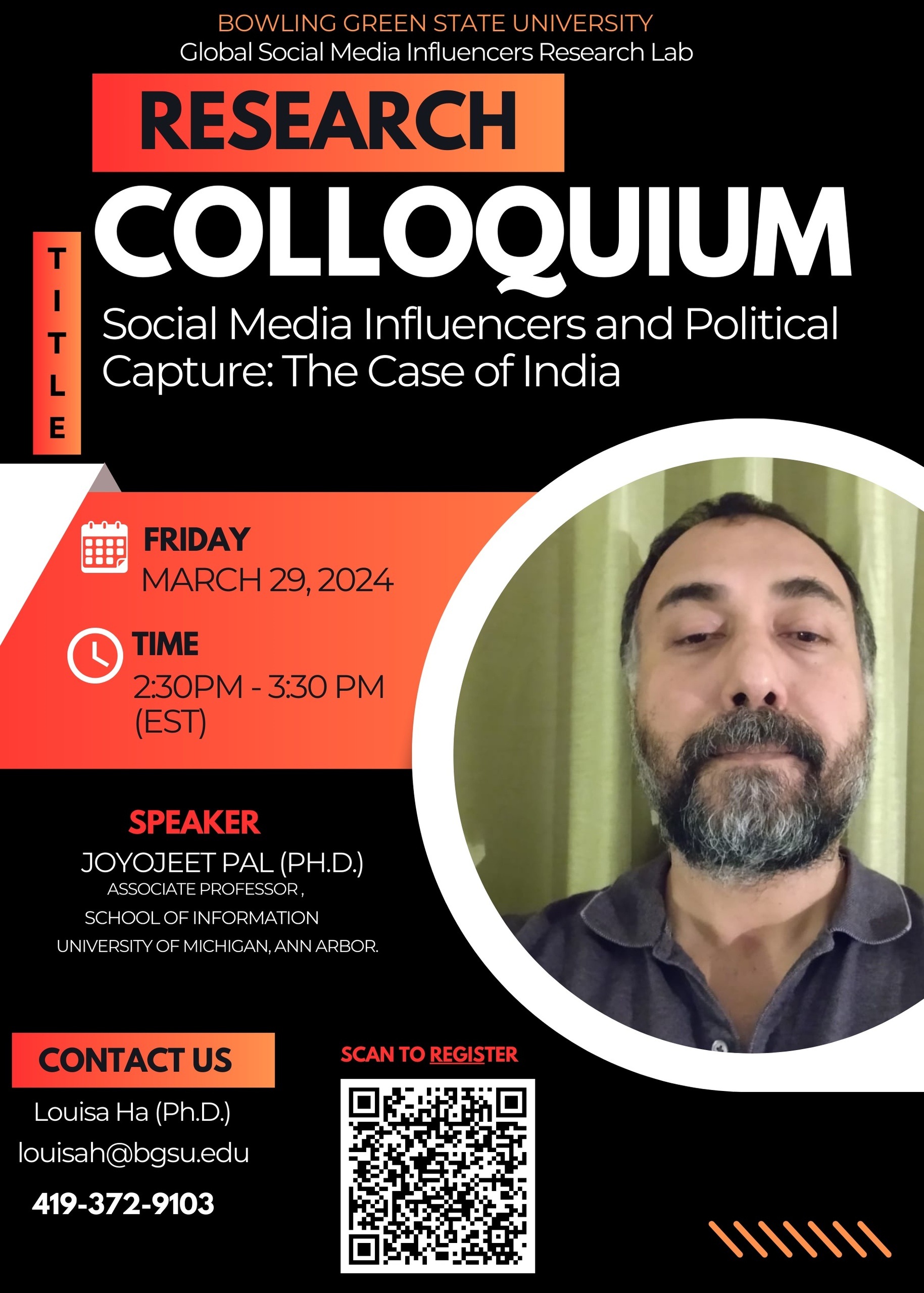
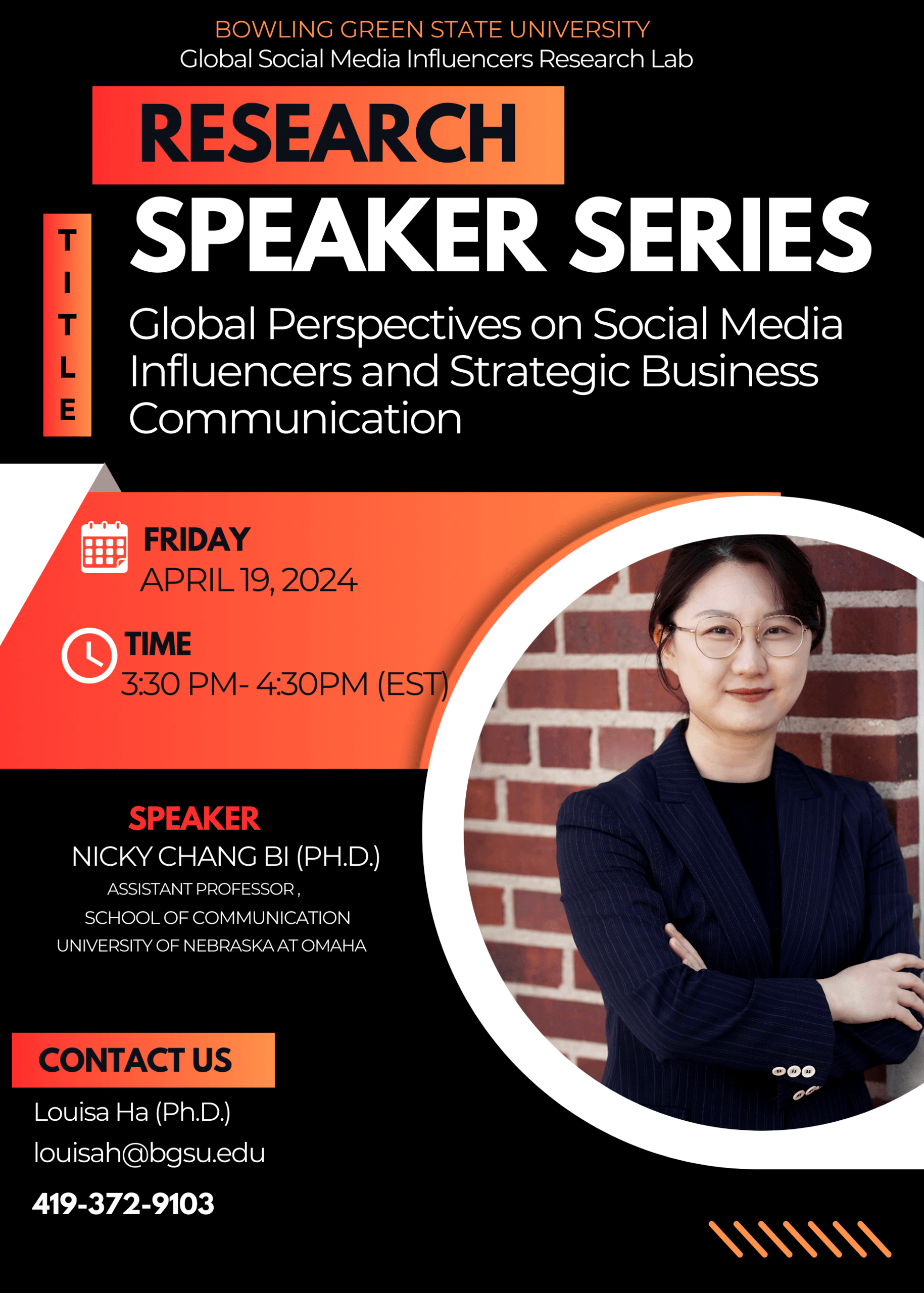
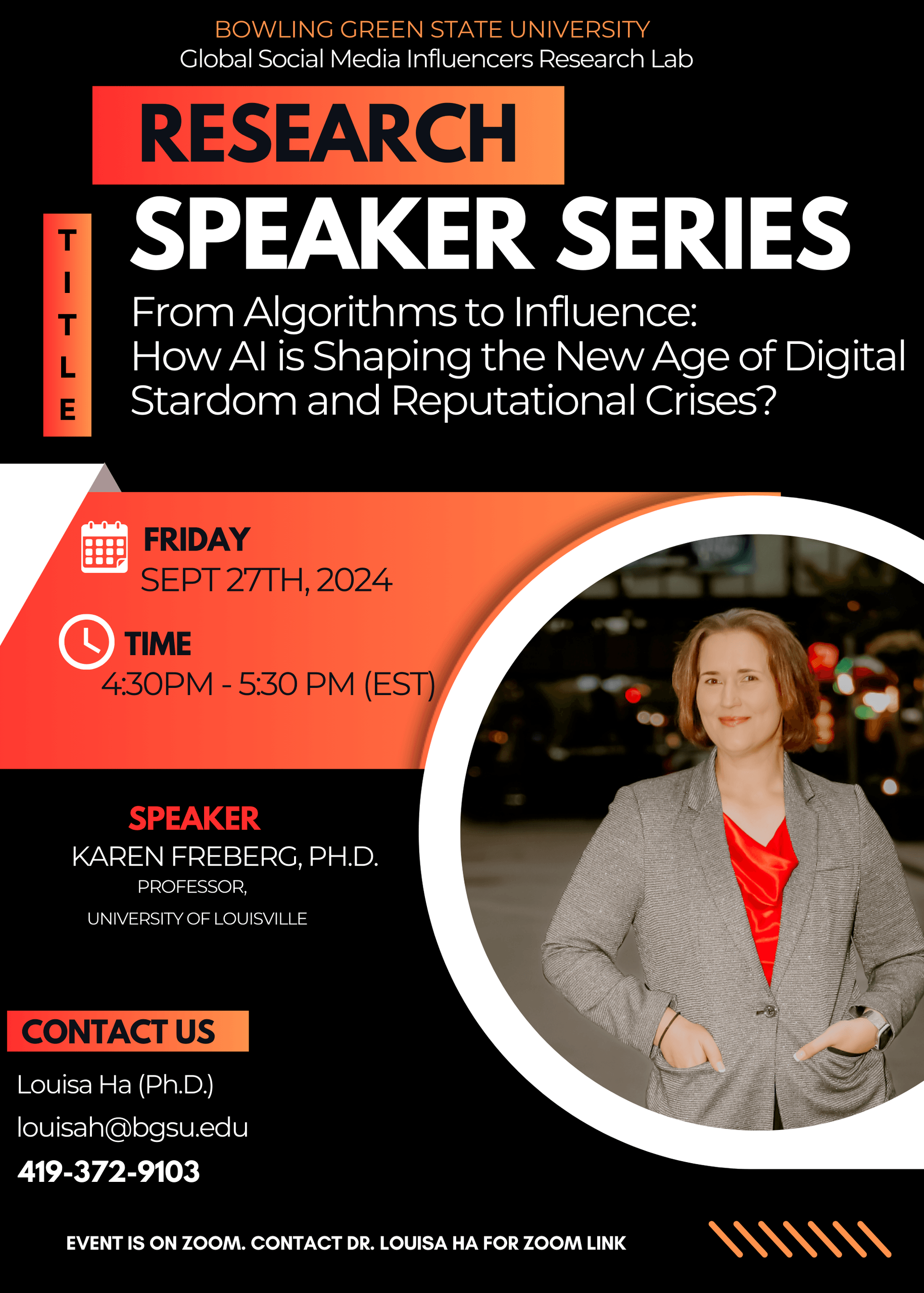
BGSU Global Social Media Influencer Public Speaker Series
Social Media Influencer Research Bibliography
Our research lab compiled almost 400 English language research publications (including journal articles, book chapters, dissertations and books) we could find about social media influencers and organized in alphabetical order and by 12 topics based on Ha & Yang’s (2023) "Research about Persuasive Effects of Social Media Influencers as Online Opinion Leaders 1990-2020: A Review," International Journal of Internet Marketing and Advertising 18(2/3), 220-241. DOI: 10.1504/IJIMA.2022.10043104.
Journal/Book Publisher Ranked by Number of Influencer Publications.
Click on each topic to find bibliographic listing on the topic.
1. Typology of SMIs and methods to identify influencers
2. Relationship between influencers and followers: homophily, authenticity and parasocial relationship
3.Approaches to brand endorsement
5. Measurement of influence outcomes
8. How trust in SMIs developed over time and balance between marketercontrol and creative freedom of SMIs
9.Longevity of influence of SMIs
10.Influencer risk assessment and controversiality index development
11.Product category and user knowledge difference
12. Platform comparison and how SMIs use the platform’s technologyaffordances to build relationship
Updated: 02/18/2026 07:15PM