
Current and Past Mentors
Here are some of our current and past mentors and some of their thoughts on the program.

Jason Turk (Fall 2023, Spring 2024, Fall 2024, and Spring 2025)
The peer mentoring program is in my view an almost necessary step to prevent TAs from 'going in blind' when they teach; I love having a space to discuss unexpected circumstances, new and ongoing challenges the TAs are facing, and even frustrations (sometimes it can be a good place to 'vent' a little). I really don't think I would have had nearly as firm an understanding of my goals going into the classroom and the expectations I should set without participating in peer mentoring and working as a peer mentor. I also see peer mentoring as a great opportunity to discuss how we as TAs and possibly future professors can convert teaching theory into practice!
Martin Kimondo (Spring 2024, Fall 2024, and Spring 2025)
Mitra Alizadeh (2024-2025)
Being part of the peer mentoring program was a valuable opportunity to contribute to our department’s teaching community. Classroom observations, providing feedback, leading discussions, and sharing insights during small-group meetings encouraged me to be more thoughtful and purposeful in how I approach teaching.
The experience deepened my perspective and challenged me to notice subtle details, welcome different viewpoints, and grow through each interaction.
It remains one of the most meaningful and transformative aspects of my time in the program.
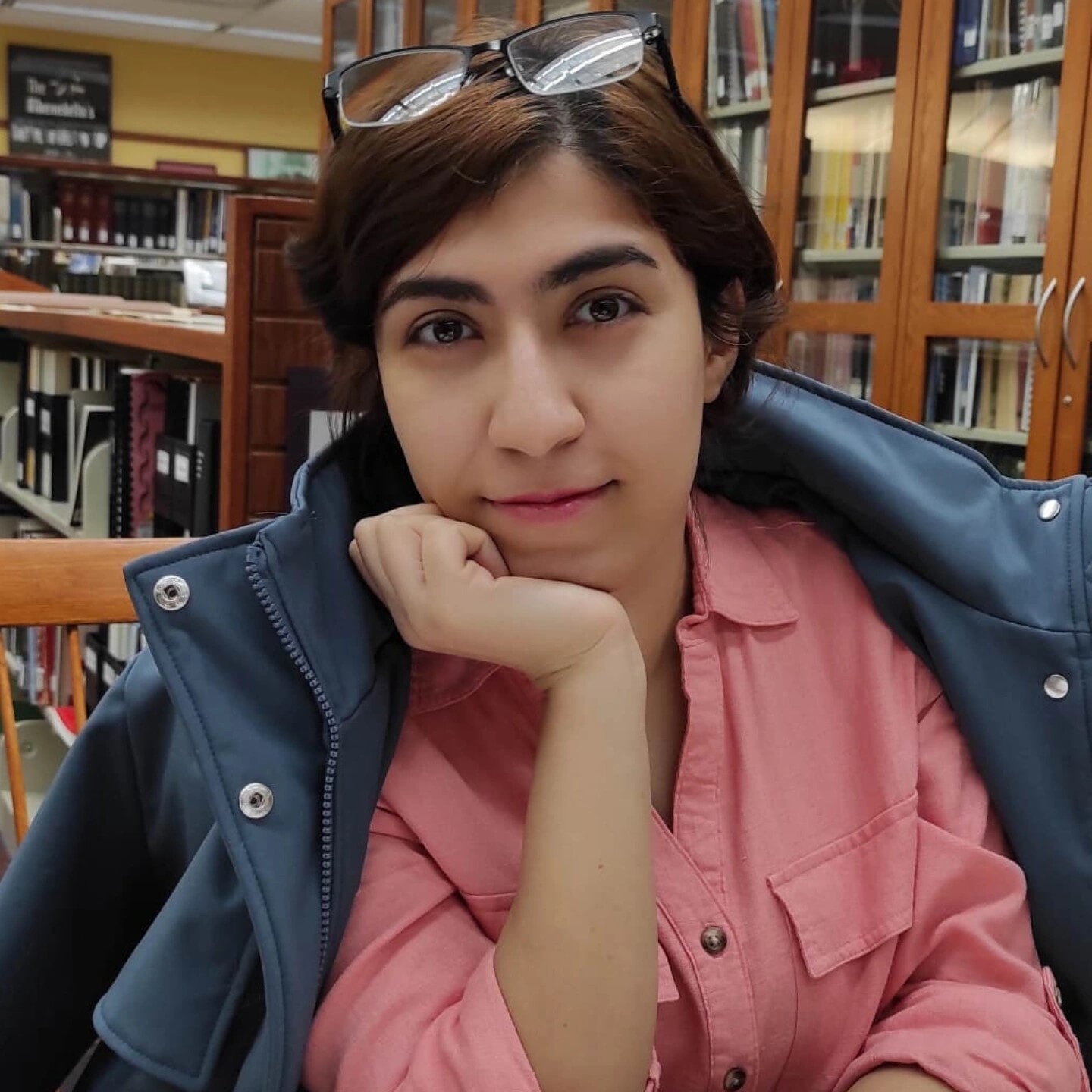
Salma Hasannejad (2024-2025)
It is my honor to have the chance to be a mentor in the third year of my Ph.D. I truly enjoy mentoring for many reasons—especially getting to know new graduate students and supporting them in their teaching or any challenges they may face. It’s been very fulfilling to use the experience I’ve gained over the past three years to help others.
Also, I love seeing the different teaching styles everyone brings—it’s very inspiring and spiritual for me. I enjoy sharing how our classes are going, learning from each other’s challenges, and being part of a space where we can talk openly and grow together. There are so many valuable aspects of this program, and I hope others will experience them too!
Alice Wangui Wachira Jr (2023-2024)
Caleb Khaemba (2023-2024)
Bradley Shearer (2022-2023)
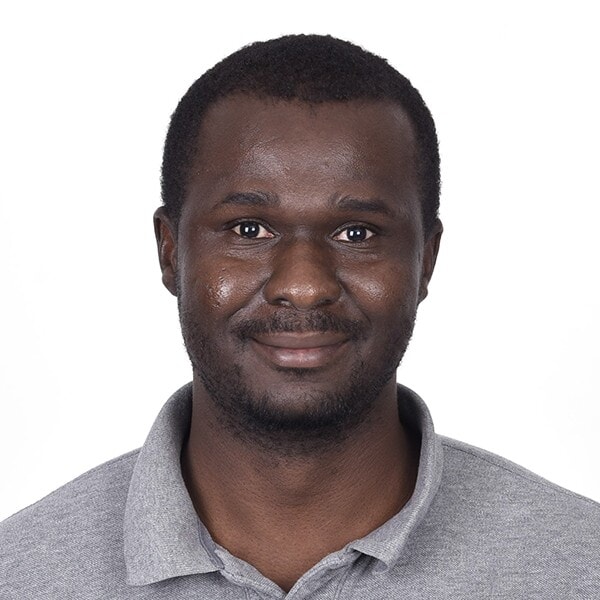
Innocent Abaa (2022-2023)
The peer mentoring program was a great experience for me. I especially enjoyed the bi-weekly discussions and the opportunity to connect with people from different countries, exchanging diverse ideas. One of the most rewarding aspects was observing my mentees' teaching by visiting their classrooms and providing meaningful feedback. This experience not only allowed me to support their development but also helped me grow as I learned new teaching strategies from them. Being invited into their classrooms and trusted to offer guidance was both humbling and fulfilling.
Julius Ngugi (Fall 2022)
Aiham Hassan (2021 – 2022)
Visiting Assistant professor at University of Wisconsin Eau Claire
The peer-mentoring program provided training for mentors on effective communication and teaching techniques and provide me to be good to connect with other grad students. It was very helpful for me and the mentors, as we felt prepared to teach before the classes started. It also helped me organize my work and improve my teaching skills, and I received educational materials that helped lay the foundations for my teaching.
Ahmad Talafha (2021 – 2022, and Spring 2023)
Assistant Professor at St. Edward's University (Austin, TX)
Being a peer mentor was such a rewarding experience. It was amazing to help newer GSIs navigate those early teaching challenges and see them grow more confident in the classroom. The mentor training really developed my leadership and feedback skills, learning how to give constructive observations and facilitate those small group discussions made me a better teacher myself. Plus, staying connected with the teaching community and being part of that supportive network was invaluable. The whole experience definitely shaped how I approach mentoring and collaboration in my current role as faculty.
Marcus Lawson (2020 – 2021)
Steven Lippold (2020 – 2021)
Assistant Professor, Geneva College, Beaver Falls, PA
Sarah Adams (Spring 2020)
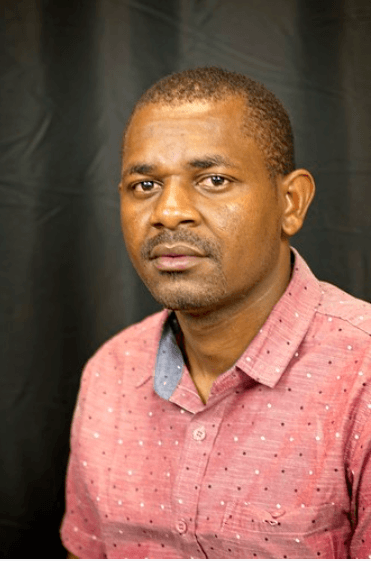
Joseph Njuki (Spring 2020, 2020-2021, and 2021-2022)
Assistant professor of Statistics at Coastal Carolina University, Department of Mathematics and Statistics
Peer mentoring was a mutual process that helped me to grow exponentially as a teacher while working to orient, mentor, and help new teaching graduate students in the department. Bi-Weekly meetings, observations, and reflections from mentees gave me a chance to perfect my teaching styles. I attribute my success in teaching and students’ engagement to the mentorship program at BGSU. I can confidently attest that the peer mentorship played some role to be a perfect match to my current position in a teaching institution.
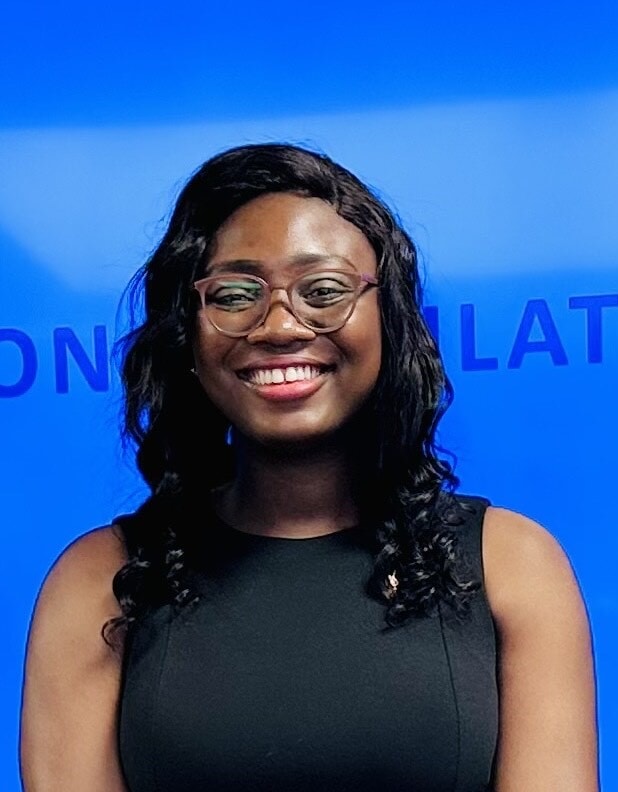
Eugeniah Arthur (Fall 2019, Fall 2022, Spring 2023, and Fall 2023)
First Solar, Inc (Perrysburg)
One of the most rewarding aspects for me was watching my mentees grow in confidence as the semester progressed. Many became noticeably more assured in their teaching abilities. I also learned a great deal about teaching myself—both from observing their classes and during our biweekly meetings, which I sometimes really miss.From a career standpoint, the mentorship experience has helped me develop the ability to observe objectively and offer constructive feedback, which I believe is essential for fostering improvement.

Michael Gulas (Fall 2019)

Isaac Ocloo (2019-2020 and 2020 – 2021)

Nene Ukonu (2019 - 2020)

Jess Allen (2018 - 2019)
Yi-Ching Lee (2018- 2019)
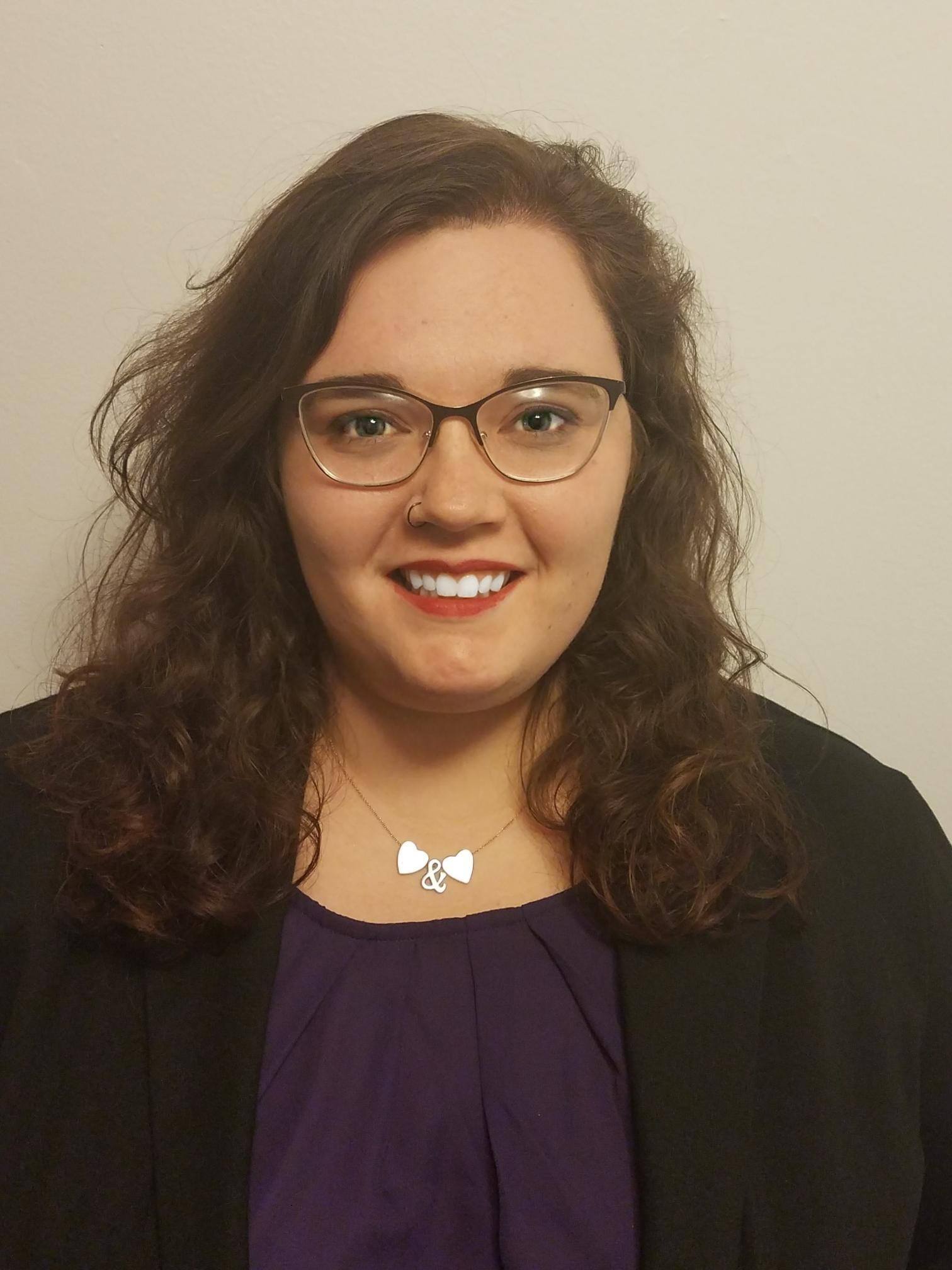
Jennifer Stuart (2018-2019)
Specifically when I worked with my peers as a mentor, I found the observation and feedback process to be mutually beneficial. It was always a great feeling to have a long list of positive feedback for the novices, and when there was more constructive criticism, it caused me to be self reflective. This allowed both the novices and myself to improve with each observation.
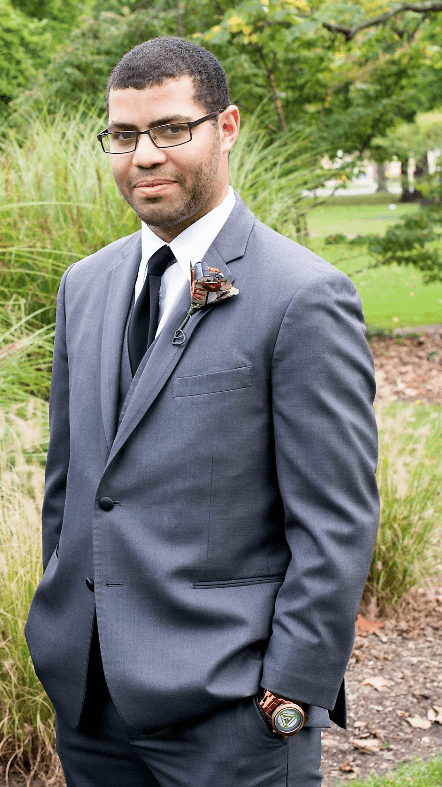
Jordan Bounds (Peer-Mentor 2017-2018 & Lead Mentor 2018 - 2019)
My time in the peer mentoring program exposed me to a wide variety of teaching styles and methodologies that I wouldn't have seen in my standard graduate classes. This eye-opening experience made me realize how the constantly evolving student body requires instructors who are willing and able to continuously adjust their approaches to teaching in order to effectively communicate the course material. Through observing my fellow graduate instructors, discussing various teaching concepts in my small group meetings, and taking time to learn how to effectively reflect critically on my own teaching, I have developed useful tools that will aid me in continuing my evolution as an instructor.
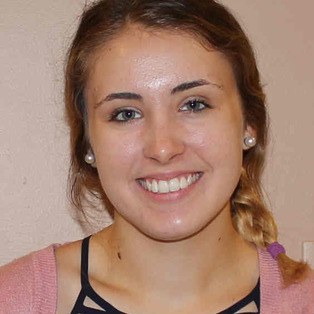
Geri Dimas (Fall 2017)

Katherine Shoemaker (2017-2018)
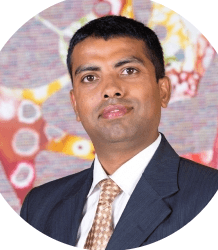
Raju Bhusal (2016 - 2017)
Before enrolling in the mentoring program, I thought that critiquing somebody's' teaching is not a good thing. However, after this program, my thoughts have changed. I realize now that one need reviews to improve their professional life. Also, authentic, specific feedback from a peer is more valuable as they help point to solutions.
Personally, my teaching evaluations have tremendously improved after working in this project. Moreover, I love to share ideas and have professional critiques in my professional career now.
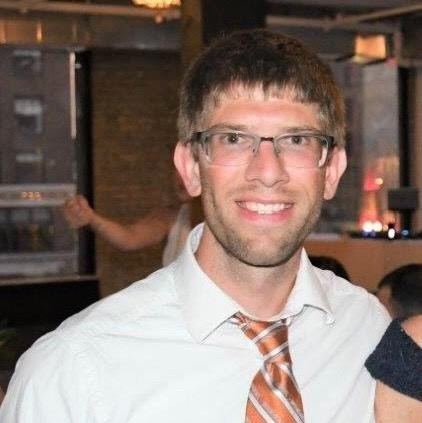
Jacob Laubacher (2016-2017)
The peer-mentoring program provided me with a fresh viewpoint with my own teaching. Often times, I found that providing feedback for others prompted a critical reflection of how my own teaching ran parallel to the observations I conducted. It felt more like a cooperative journey between the novice instructors who I was mentoring and myself, and has given me great guidance for my role as an academic advisor for my current students.

Mark Medwid (2016-2017)

Logan Opperman (2016-2017)
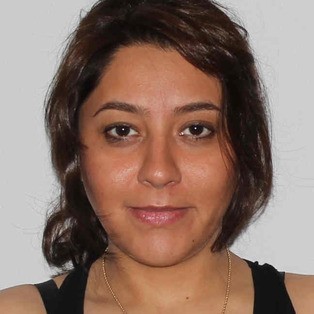
The Peer Mentoring program included a variety of one to one and small group meetings, all of which prompted me to be fully attentive and professional. Through these interactions and relationships with other graduate students, I learned to be more observant and open to new perspectives and ideas. I have found myself to be more thoughtful and reflective in group discussions and meetings, and I’ve learned that change is a process and takes time.
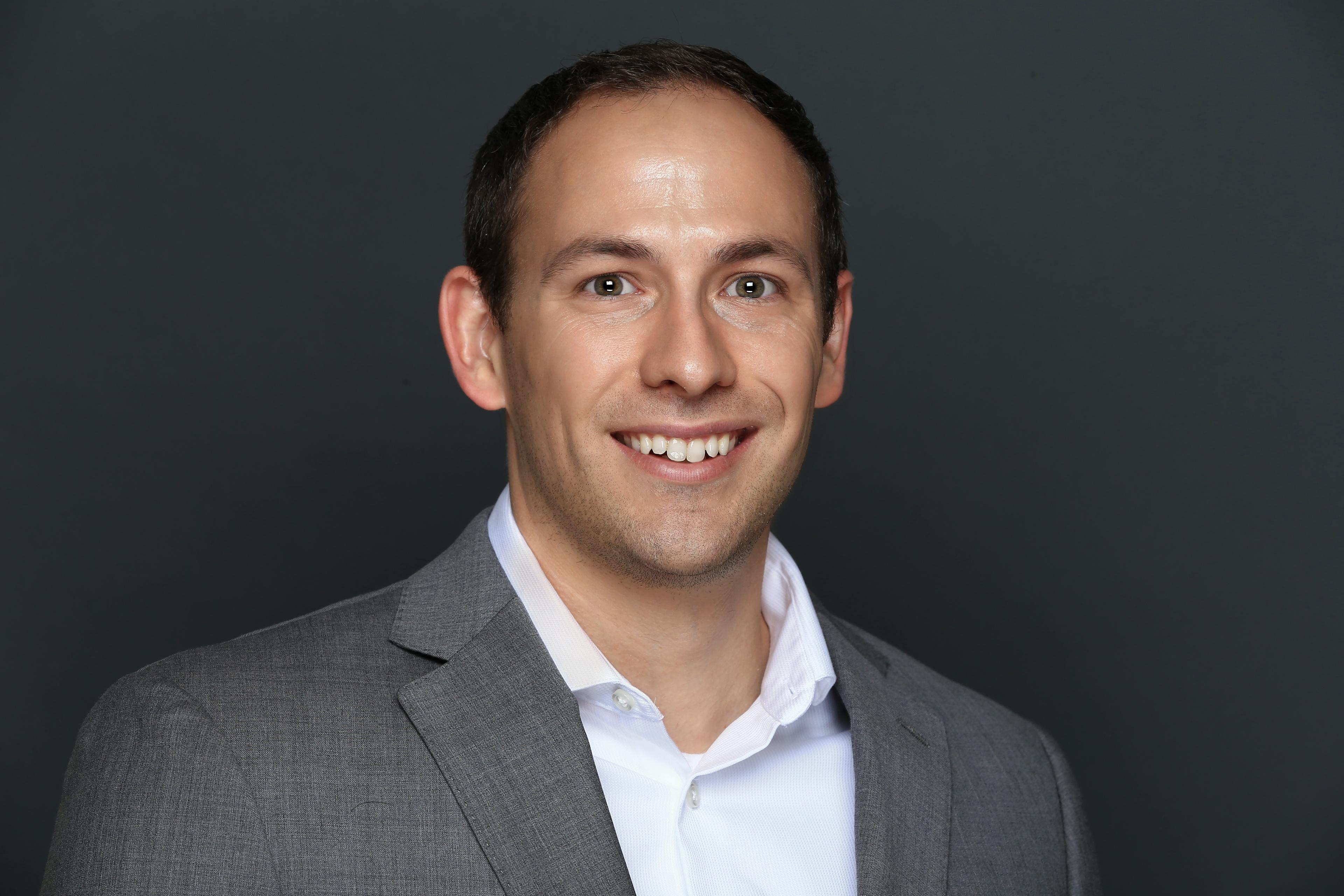
Kevin Stoll (2016-2017)
The program most influenced my ability to facilitate and lead meaningful discussions among a diverse set of peers. Many of the individuals I worked with had different teaching philosophies and viewpoints; the program helped me grow by collecting differing thoughts and deriving common interests and ideas that would benefit the group.
Department of Mathematics & Statistics
Dr. Junfeng Shang, Chair
Updated: 08/09/2025 05:04PM