
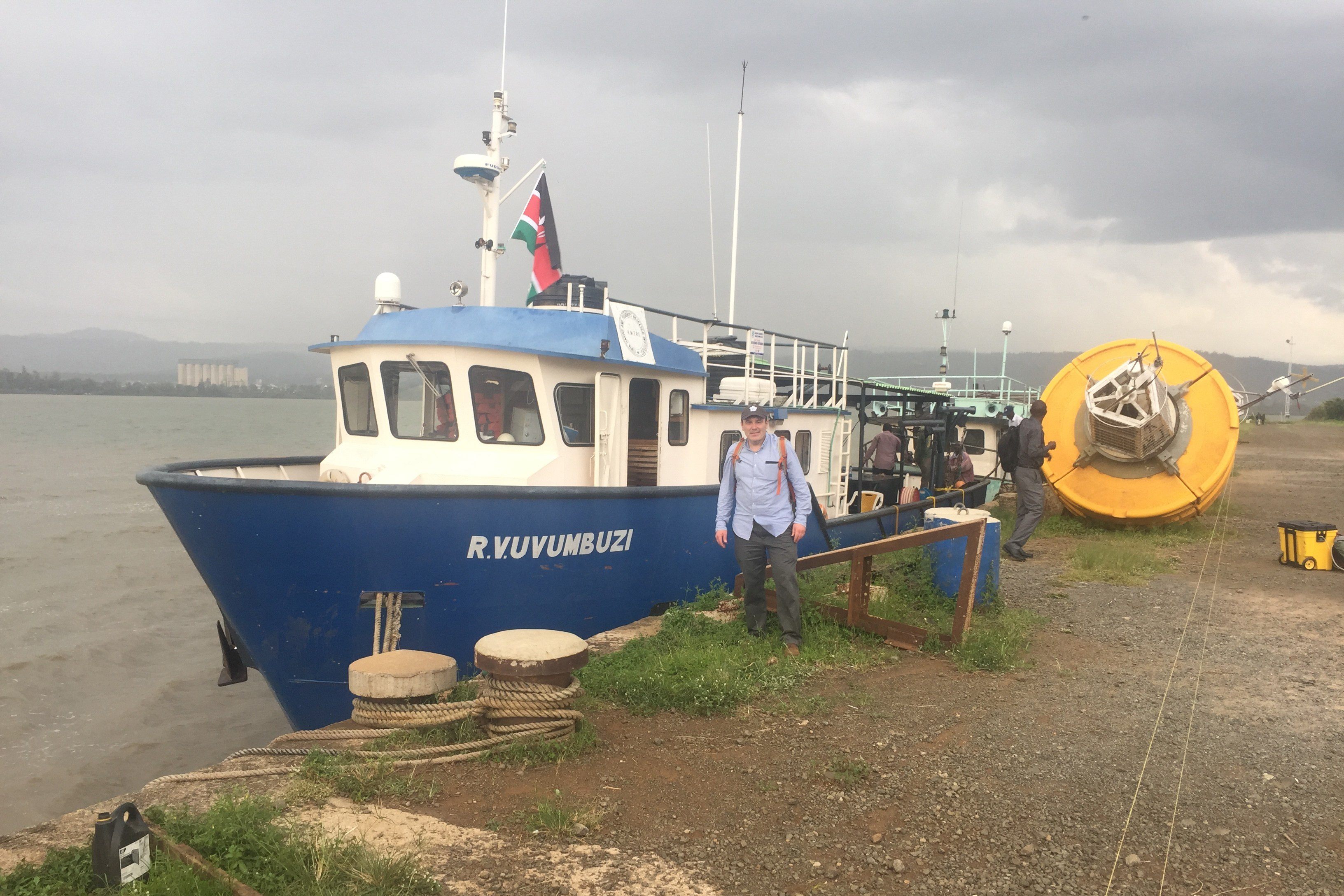
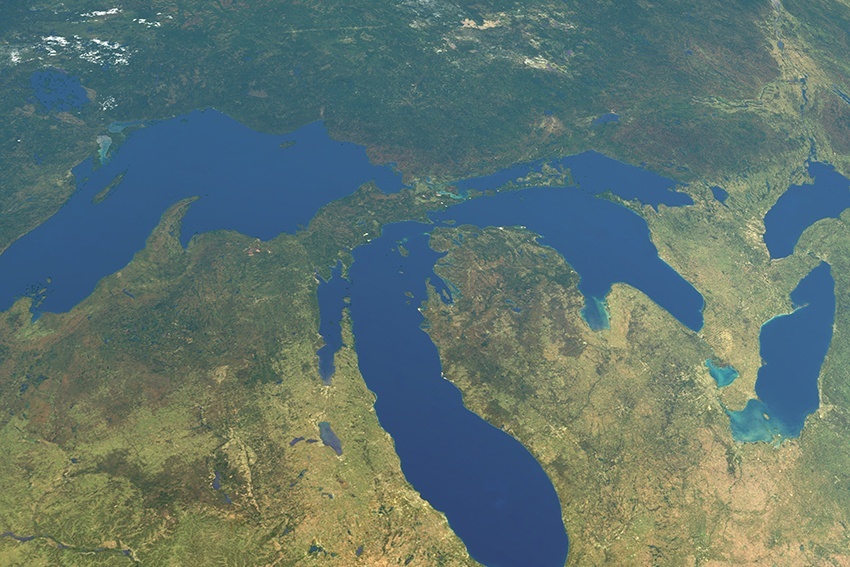
Regionally and nationally, BGSU is one of just four universities to receive funding from the National Science Foundation and the National Institute of Environmental Health Science, and the University has used those funds as well as funding from H2Ohio to study the effects of Harmful Algal Blooms (HABs) and improve water quality. Globally, researchers from Bowling Green State University are working to uncover why both Ohio’s Lake Erie and Kenya’s Lake Victoria are plagued with algal blooms, why some algal blooms may be genetically predisposed to be toxic and what might be done to turn off those genes and improve the water quality.
BGSU Water Quality Research

The real deal: BGSU undergraduate students earn vital research experience through H2Ohio
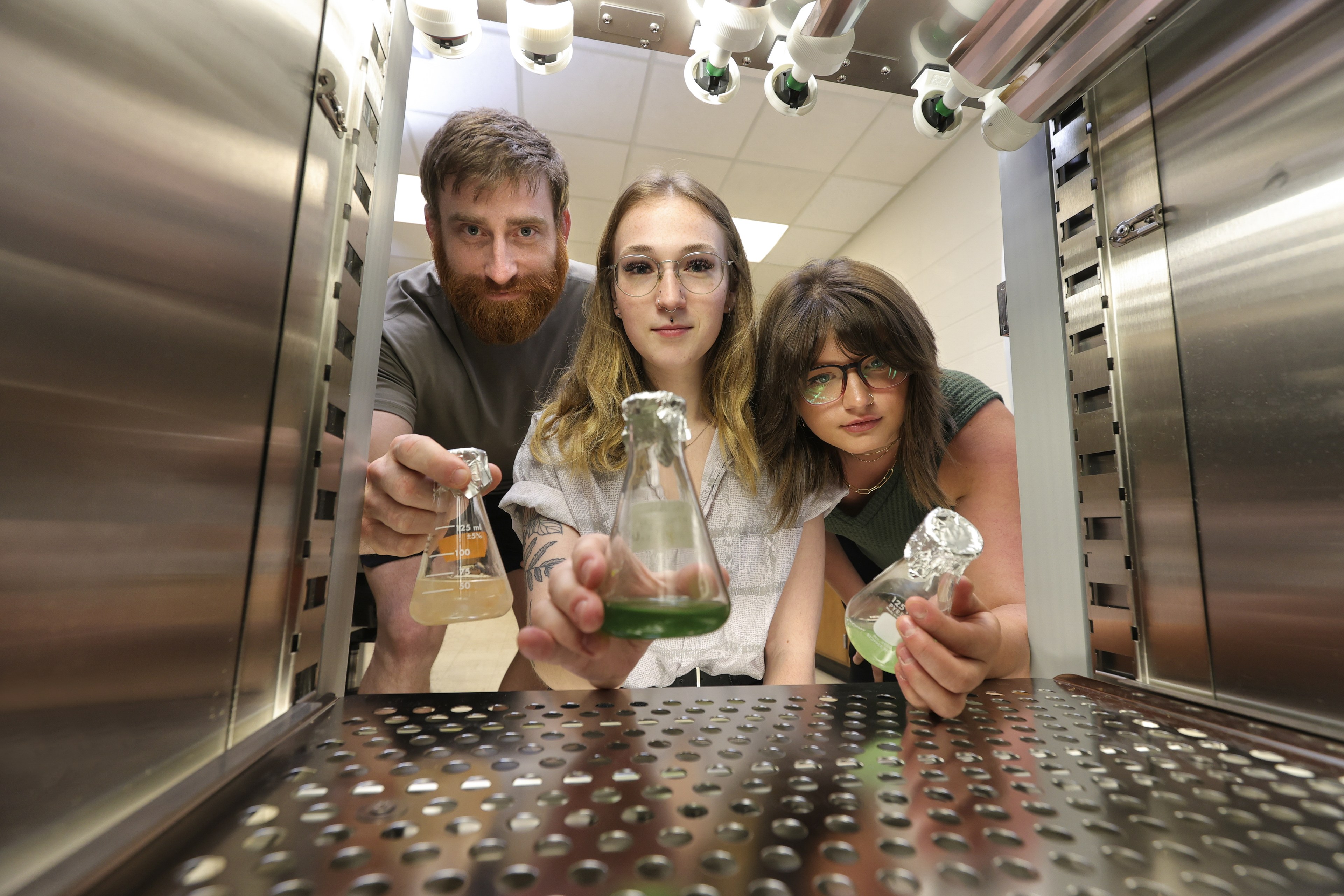
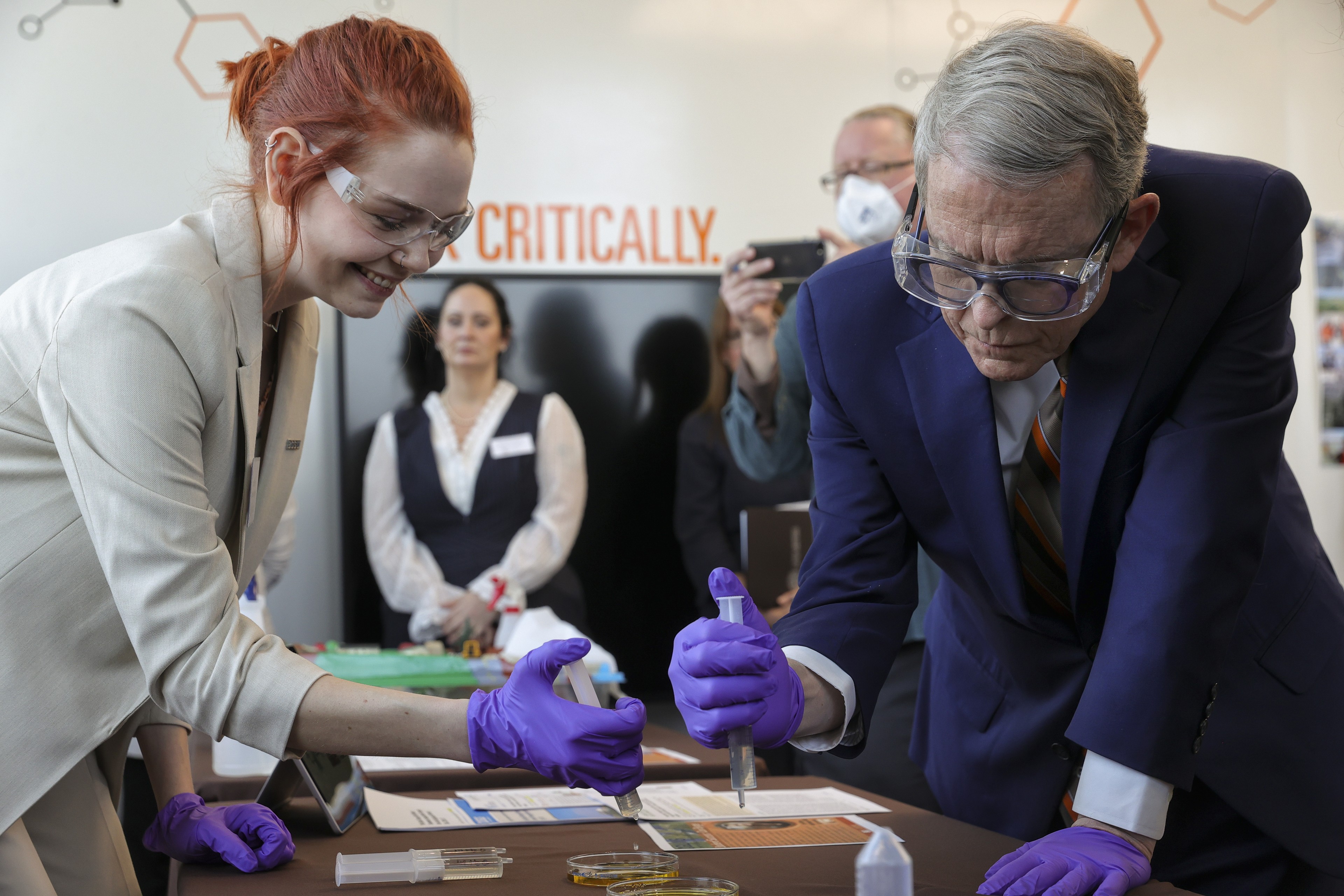
Students are performing key roles as researchers in the H2Ohio program, an initiative that aims to improve water quality around the state.
Bowling Green State University is committed to understanding water quality problems and solving them, as is evident by the establishment of the Great Lakes and Watershed Studies research group - an interdisciplinary consortium of researchers studying the environmental and societal issues impacting watersheds, developing implementable solutions and training the next generation of scientists in the Great Lakes region and beyond - and the Great Lakes Center for Fresh Waters and Human Health - a collaborative effort among BGSU and nine other universities and research institutions that formalizes and strengthens research partnerships on cyanobacterial harmful algal blooms.

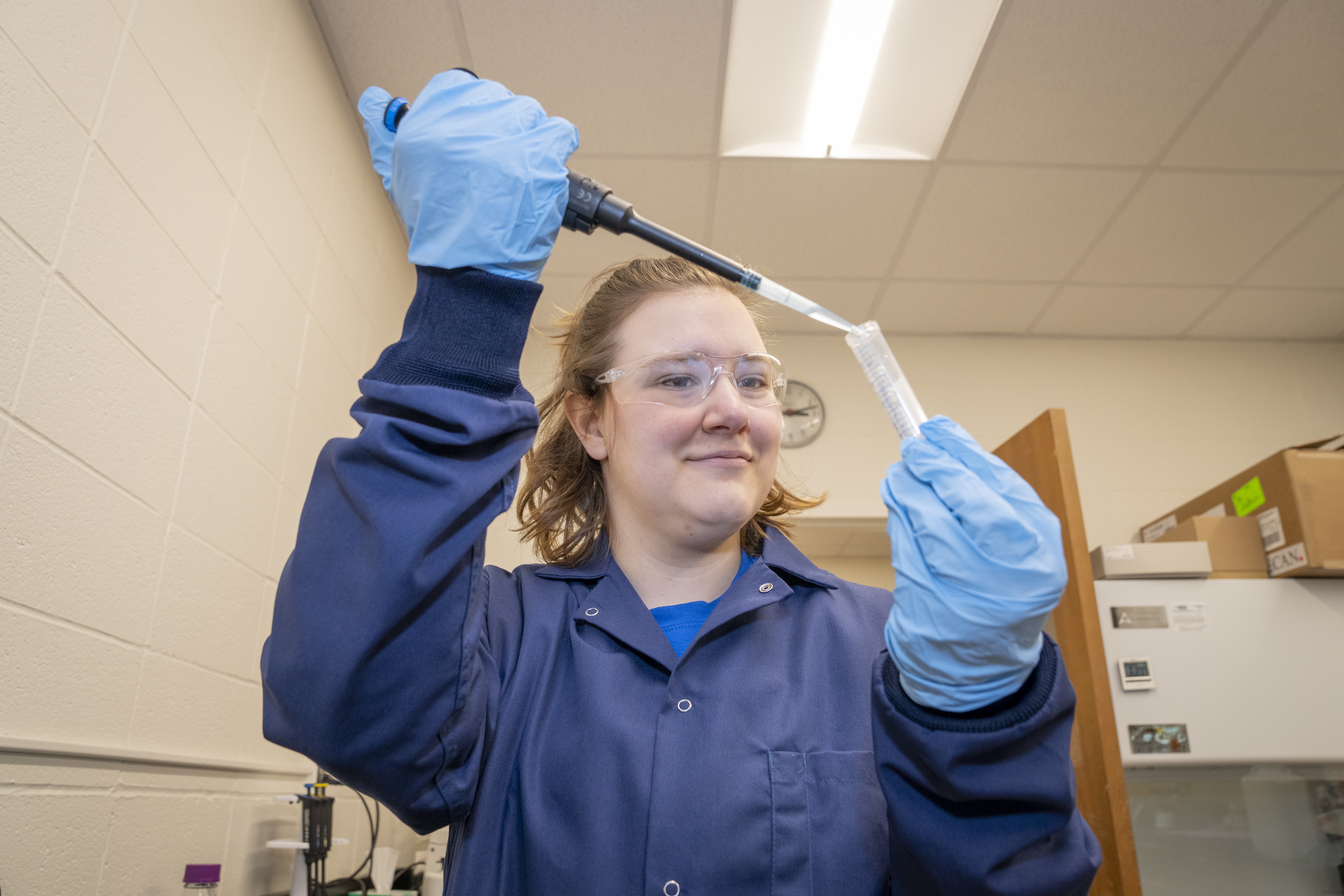
Students receive ample opportunity for hands-on, impactful research while investigating water quality issues both in lab and field settings while pursuing undergraduate and graduate degree paths in biology and microbiology and specializations including ecology and conservation biology, forensic biology, marine and aquatic biology in the BGSU College of Arts and Sciences. Through high-quality teaching and exposure to research projects, BGSU students develop into inquisitive scientists and informed citizens responsive to economic and societal issues.
BGSU geochemist studying Lake Erie sediment as commercial fertilizer alternative to combat harmful algal blooms
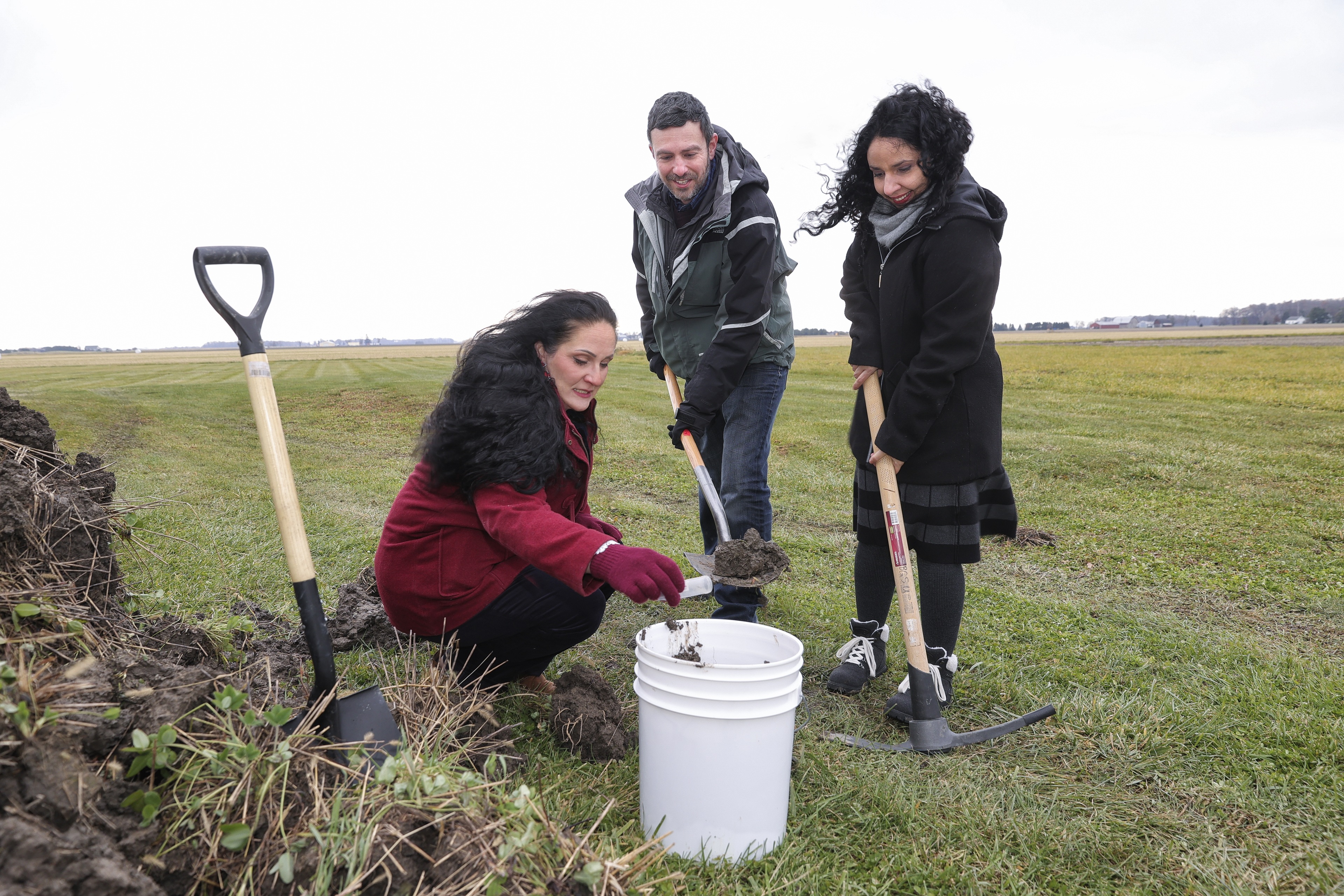
In an attempt to limit effects of runoff into Lake Erie, BGSU geochemist Dr. Angelica Vazquez-Ortega is studying the use of lake sediment for farming, which shows promise in small-scale experiments.
Updated: 04/27/2026 11:15PM