
Fall 2025 Newsletter
A Sustainable Semester at BGSU
By: Alexa Zvanovec and Zach Hayes
This fall semester, the Office of Campus Sustainability saw an amazing effort from our campus community to support sustainability here at BGSU. To start the year, we helped keep things green at the annual zero-waste All-Campus Picnic. BGSU Dining served lunch on a beautiful day for more than 3,000 people and the entire event generated a measly 7 pounds of trash. Almost everything was composted or recycled so that 98.7% of waste from the entire event was diverted from the landfill. With such a great beginning to the semester, our office had momentum that translated to future success. What followed was two entire months dedicated to heavy programming and events sprinkled in wherever they fit, detailed below, that further engaged the campus community in sustainability initiatives.
Throughout each semester, we hold some recurring events. Familiar names like the Campus ReStore, Green Game Day, and Friday Night Lights are classics within the office. The BGSU Campus ReStore is open periodically, organized and staffed by student volunteers, and is a way for Falcons to give to the campus community. At the end of each spring semester, students and staff are encouraged to donate used items through our "When You Move Out, Don't Throw It Out" (WYMO) program which reduces landfill waste so that non-profits and charities and the campus community can give a second life at little-to-no-cost through the Campus ReStore. This fall semester saw 1,910 Falcons visit the storefront in the McDonald Hall Annex and served eight non-profit groups. Green Game Days are special because they are held only during the fall semester. During every home football game, the office and volunteers help with recycling efforts and waste diversion from the landfill. Across the 6 BGSU home football games this fall, we were able to recycle a total of 16,741 pounds of material between commingled collection, plastic bag recycling and scrap metal. Friday Night Lights is our energy-savings program where volunteers go to buildings on campus without automatic lighting sensors to turn off lights that could otherwise be left on all weekend. This event is held every Friday evening of the academic year, except for a few select days, such as the Tuesday before Thanksgiving break. This semester, 231 volunteers helped us turn off almost 18,000 light banks, saving just over 2,500 kilowatts of electricity, which is about $9,600 worth of electricity.
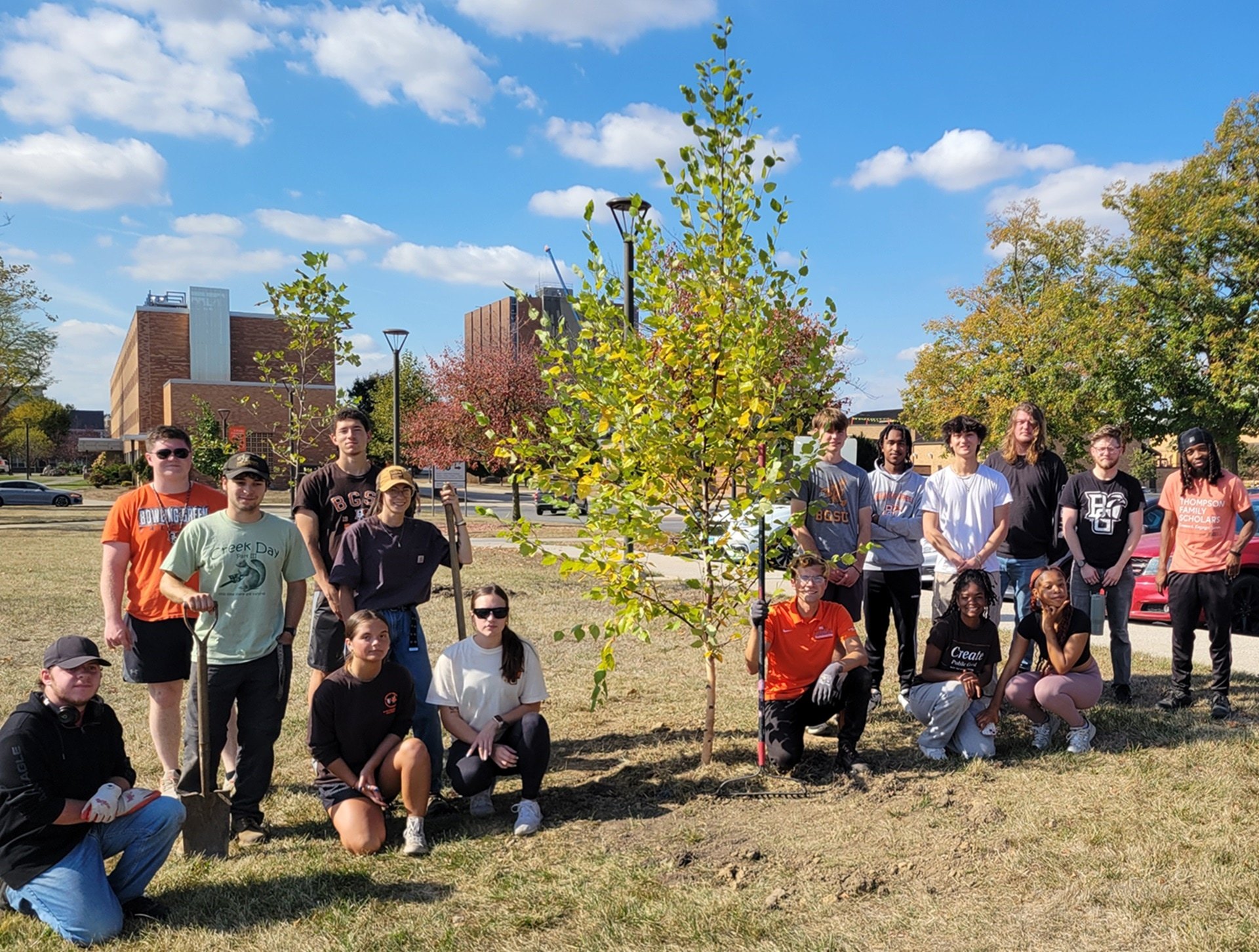
While we have plenty of regular events throughout the fall semester, we have also had some special and unique events. This is especially true for October, which was Campus Sustainability Month for BGSU and many other AASHE member institutions. In higher education. During the month, we also collaborated with a couple of student groups, co-hosting a sustainability game night with the Environmental Action Group, where students could test their sustainability knowledge for succulent prizes. We also collaborated on two fall bike rides with students that were held in partnership with the Great Lakes and Watershed Studies for a campus bike tour in September that highlighted campus water features, then with the Outdoor Adventure Club to bike the Slippery Elm Trail in October for a scenic appreciation ride of the fall colors. The pièce de résistance of the month was our Lunch and Learn with a beloved university Department of Philosophy professor, Dr. Ian Young. His well-attended talk featured a discussion on indigenous wisdom, global environmental movements, and ecological interconnectedness from a New Zealander's perspective. Additionally, we held two student tree plantings to add 20 more native trees to campus with the help of Grounds Services, and a few tabling events in the Bowen-Thompson Student Union focused on bringing sustainability awareness directly to students.
“No-Waste November” also featured its own special events, all focused on waste reduction on campus and even around campus. Campus Sustainability held a community cleanup that focused on the corridor along Wooster and some of the college rental blocks adjacent. All told, our team of volunteers removed 197 pounds of waste from the area, of which, 71.5% was able to be recycled. Another way we focused on cleaning things up was taking care of special recyclables such as VHS tapes, file folders, binders, and books that are a little more difficult to recycle properly. These items represent the end of the analog era as society shifts more and more to digital means of file storage. Surplus of these items are manually dismantled items by hand by volunteers, using a few tools to separate materials and sort them into proper recycling bins. For file folders and 3-ring binders, we separate the paper/cardboard and metal out for commingle and scrapping recycling respectively. VHS tapes from campus were dismantled into their base components and shipped to TerraCycle for proper recycling. All of this is done to reduce our university's waste to the landfill as much as possible through recycling hundreds of pounds of materials each semester.
By the end of the 2025 fall semester, the Office of Campus Sustainability hosted 59 events, including two summer events, and worked with over 750 volunteers for exactly 1,299 volunteer hours. These numbers are so much more than simple statistics. Each event, volunteer hour, kWh saved and items reused or recycled proves our campus communities' commitment to sustainability. Thank you to anyone reading this article who contributed to this great effort last semester, and we look forward to working with you again in the spring.
College 101:
Recycling in Dorms
By: Miracle Bowman
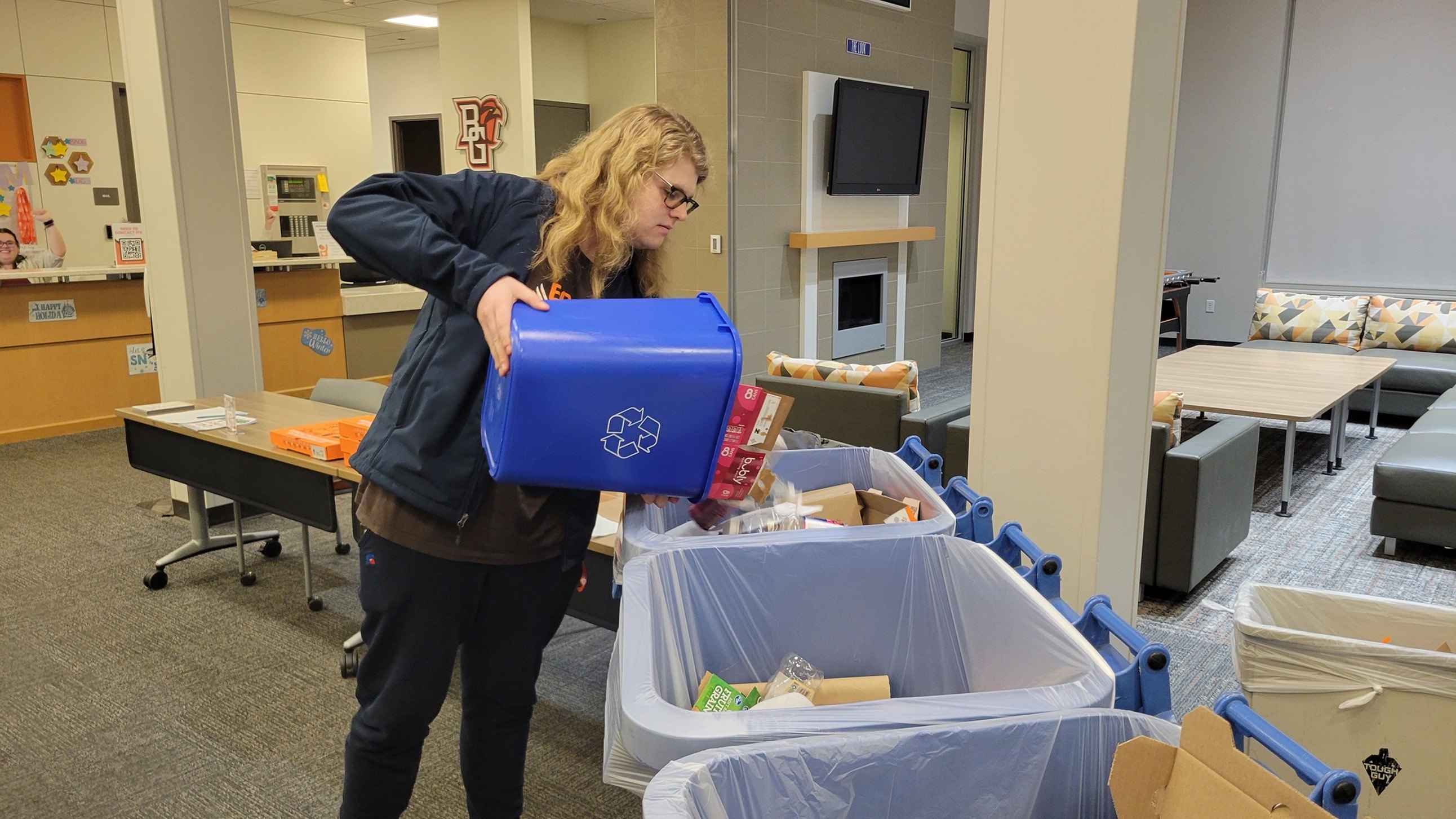
Let’s be honest, recycling can be hard. So many factors play a role in how to properly recycle. The rules are constantly changing based on the recycling company for the location. Making it hard to know if you’re doing it right. So, what can you, as a college student, do to make sure that you’re recycling right?
Education plays a big role in recycling the right way. The best way to start is by understanding your own habits and trying to make recycling easier for yourself. Then you have to make an effort to understand campus expectations. Students create hundreds of pounds of waste each year, and half of it can be recycled. Therefore, bin signage is something that the Office of Campus Sustainability heavily utilizes. Taking a second to analyze the information being intentionally set around bins is essential in preventing contamination. Especially in hotspots like Starbucks, Crimson Cup, dining halls, and classrooms. Dorms also play a role in recycling efforts. It is up to the students to correctly utilize the recycling bins that are provided in their rooms and halls.
Knowing what can and cannot be recycled is very important. For example, with the recent change in recycling companies, Starbucks cups are now able to be recycled. With this information, it is important to know that straws must be thrown away, and if the lid and cups match, then recycle them. If the lid does not match the cup, then throw the lid away and recycle the cup.
The Office of Campus Sustainability supports recycling through many initiatives and activities. The next time you see us tabling, make sure to walk up because we may have our “Know Before You Throw” interactive game set up. You’ll get the opportunity to put your recycling knowledge to the test and gain insight you may not have known you needed. We have also piloted a Recycling Ranger program in partnership with Kriescher Quadrangle. This is a voluntary opportunity to help the University divert contamination and encourage sustainability in daily activities in the Residence Halls. We also host file folder, binder, and book recycling volunteer events, where materials are broken down and sorted. Initiatives and activities like this show us how campus efforts are just as important as individual efforts, so we can reduce waste and create sustainable habits.
At the end of the day, recycling does not have to be hard. Once you understand the basics, identify campus implementation, and take advantage of recycling programs and activities, it becomes easier every day. Little habits add up to make a huge difference in BGSU’s mission to reduce waste and conserve resources.
BG Gems
Local Green Businesses
By: Mya Chapman
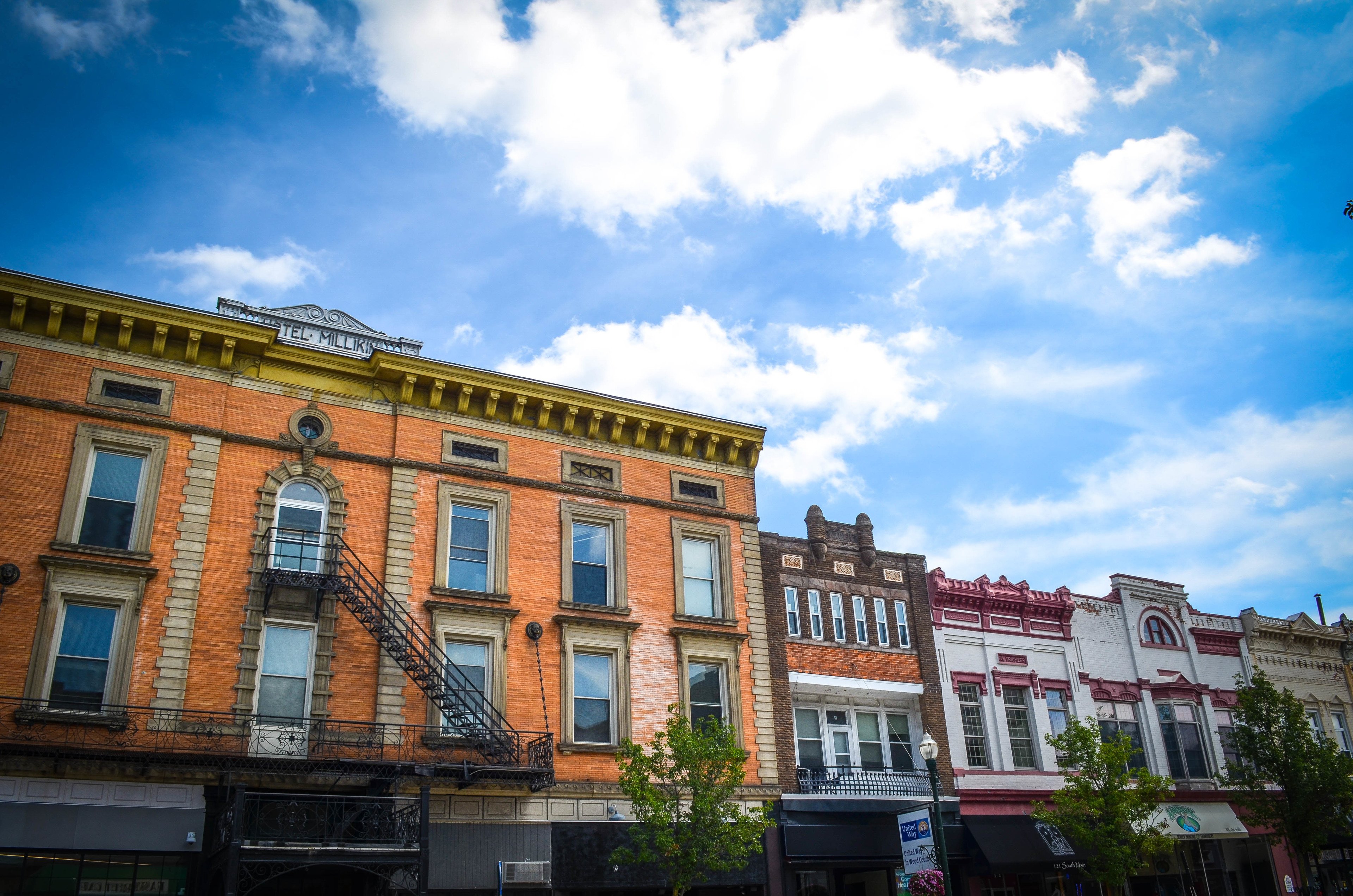
Bowling Green, Ohio is widely known for its welcoming atmosphere and strong sense of community. Ranked third-most-popular college town in America in 2022, students and residents alike are drawn to its affordability, safety, and inclusion. A lesser known yet significant fact about BG is its commitment to sustainability. The city’s energy sector is community-owned and not-for-profit, which not only provides citizens with more affordable rates, but it removes the environmental harms associated with large-scale energy transportation. 40% of that power comes from renewable sources like wind turbines and solar panels. These generally reduce pollution and increase energy security when compared with fossil fuels. For those looking to explore business-ventures, the Bowling Green magazine notes that BG offers programs for local businesses to improve their energy efficiency and reduce their carbon footprint. Named Efficiency Smart and EcoSmart Choice, more information about these programs is offered on their website. For existing businesses, environmentally friendly efforts are already in the works.
One of the city’s most beloved places is the coffee shop and used bookstore Grounds for Thought. Established in 1989, it has become a popular spot for students to socialize, study, and shop. On Main Street, Grounds for Thought stands out as one of the leaders in sustainable practices. While offering some of the most delicious coffee and bakery items around, customers can drink happily knowing that their coffee is ethically sourced. The shop’s coffee beans are a product of their “direct trade” relationship with the farm Finca El Carmelo in Teruel-Hulia, Colombia. This means that Grounds for Thought gets their ingredients directly from the producer without a corporate intermediary. This benefits small-scale producers such as Finca El Carmelo through higher prices, better working conditions, and fairer business agreements. In terms of the environment, Methodical Coffee explains how “direct trade encourages sustainable farming practices by providing incentives for environmental stewardship and social responsibility. By fostering long-term relationships between buyers and producers, direct trade can support investments in sustainable agriculture, conservation, and community development”. Additionally, with a staggering total of 250,000, all of Grounds for Thought’s books come used. According to Green Matters, the US publishing industry emits over 40 million tons of carbon dioxide and cuts down 32 million trees each year to turn into books (Thought Leadership). This amounts to roughly 4.7 billion books from the Western world (The Independent). With Grounds for Thought’s collection efforts, they help to reduce this number, saving existing books from the landfill as well as countless trees that provide mental health benefits for humans, habitat for animals, and sources of carbon capture.
Another notable Bowling Green business is The EcoFill Shop on Main Street. The owner and founder Jocelyn Blank was a cleaner of twenty years. During her time, she became frustrated with the lack of sustainable household products available as most were packaged in single-use plastic and filled with harmful ingredients. Because of this, she created The EcoFill Shop in hopes of providing affordable, effective, and eco-conscious products to the Bowling Green community. The store’s stock ranges from bathroom to kitchen, laundry, body, pet care items, and more, with most items being refillable at the store. Their website emphasizes how they focus on six criteria when finding products: reusable, sustainably sourced, plant-based, toxin-free, minimal plastic packaging, and zero single-use plastic. For example, none of their products contain palm oil which is known to cause significant deforestation. Between 2000-2016, the palm oil industry accounted for 25-30% of deforestation worldwide (Chase). However, their efforts don’t stop there— since 2023, Joci has posted a number of weekly blogs promoting sustainability and zero-waste consumption. Overall, Joci’s passion for a cleaner Earth is evident through her multifaceted efforts to serve the Bowling Green community.
Goat Records is one of Bowling Green’s newest small businesses. Founded in April of 2024, the used record shop has been a life-long dream of radio professional Mark Gedert and his son Alex Gedert. While possessing a large collection of vinyls ranging from pop rock to jazz music, Goat also sells old stereo equipment and select vintage items. This recent resurgence in vintage collecting has been particularly evident in the record community. In 2021, global vinyl sales reached $1 billion for the first time since 1985 (Safdie). Aside from being a huge movement for physical media retailers, this growth also means increased carbon emissions from the production industry. With around 50 million records produced and sold in 2023, 23,750 tons of carbon dioxide emissions were released worldwide (Safdie). As that number continues to rise, offsetting emissions by buying products used continues to be a much-needed effort in the fight against climate change. Goat Records serves as a dedicated, local way for the Bowling Green community to get their music merchandise used. By promoting a secondhand economy, Goat Records helps the city of BG take one step closer to being sustainable.
In all, the businesses of Bowling Green have taken commendable strides towards being more environmentally friendly. Notable actors like Grounds for Thought and the Ecofill Shop have promoted green ideas to the public over their cup of morning coffee or kitchen refills. It is our hope that every local business becomes inspired to start their own campaign towards sustainability, no matter how small.
Fast Fashion is SO Last Season
Fast Fashion Solutions for College Students
By: Miracle Bowman
Being in college and trying to live sustainably can be hard at times. Especially for students that want to find trendy affordable clothes. Many students are unaware of the true cost of buying from fast-fashion brands. While the price tag at checkout might seem appealing, the hidden costs to people and the planet are far more.
When you think of fast fashion, the meaning is in the name. It is the mass production of low-quality, low-cost apparel that is inspired by demands from current trends. Brands like H&M and Zara are popular examples. They release upwards of hundreds of styles and pieces every week. A new term that has emerged in recent years is “ultra-fast fashion”. A more extreme version of fast fashion that produces styles almost daily. Household brands that are also ultra-fast fashion brands include Shein, Temu, and Fashion Nova.
However, the true price to pay for fast fashion is nowhere near the price you pay at checkout. We also pay for the environmental impacts, consumer behaviors, and unfair labor conditions. An article on 2025 Fast Fashion Statistics, stated that fast fashion is responsible for 10% of the global carbon footprint, consumes 141 billion cubic meters of water annually, and contributes to 35% of microplastics. Consumer habits make matters worse. Today, people wear garments an average of only 7 to 10 times before discarding them, a 35% decrease compared to 15 years ago. In the United States, the average person throws away 82 pounds of textile waste per year, most of which ends up in landfills.
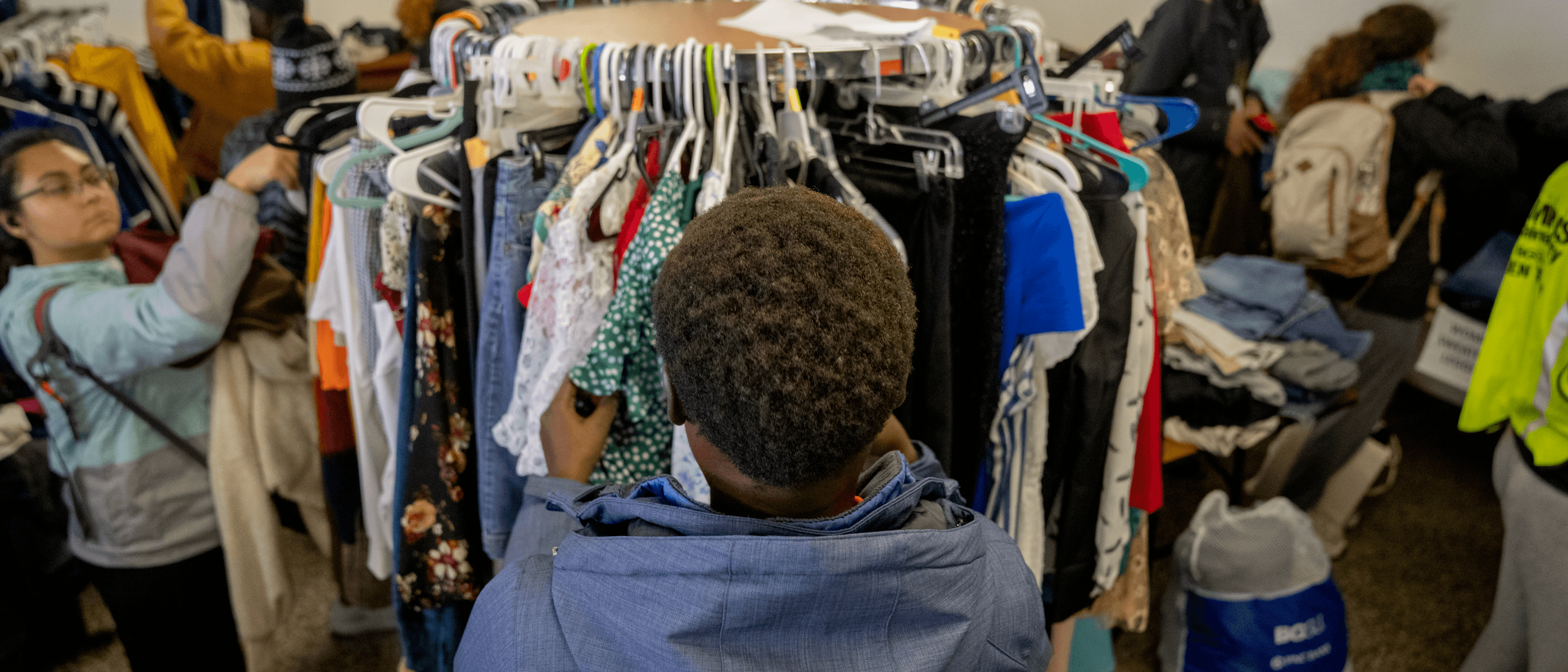
One solution for fast fashion is right here on campus! Run by the Office of Campus Sustainability, the BGSU Campus ReStore is a thrift store on campus that is supplied with clothes, dorm décor, home and office supplies, and much more. Its goal is to reduce landfill waste and offer a variety of gently used clothes to BGSU students, faculty, and staff at low or no cost. It is currently located in McDonald Hall Annex through the sliding doors across from the Life Sciences Building. Outside of our main entrance is a donation bin. It is available for anyone to drop off items between 7:30am and 5pm. Drop offs can include clothes, dorm and office supplies, and still-usable items. You can also immerse yourself in local thrift stores in Bowling Green and surrounding areas such as The Fringe Thrift Store, Goodwill, Habitat for Humanity ReStore, Plato’s Closet and much more. With a little bit of creativity and imagination, upcycling would be great way to transform your thrifted clothes into something that is unique and personal to you. Upcycling is when you reuse an item or material to create a better product. It reduces waste it gives old or unused materials a second life.
On a broader scale, it brings into question how fast fashion can truly be solved. It requires both an individual and systematic change. Sustainability efforts are primarily growing within younger generations. Fast fashion is also primarily being influenced and consumed by younger generations. Social media, economic pressure, and the desire to stay trendy are large contributing factors. To make a lasting impact, we must challenge these norms by supporting ethical brands, choosing quality over quantity, and demanding transparency from fashion companies.
Sustainability in college doesn’t have to mean sacrificing style or affordability. It’s about making conscious choices like buying secondhand, donating what you no longer need, and becoming creative with what you already own. As consumers, our decisions have power. By slowing down our consumption and supporting sustainable alternatives like the Campus ReStore, we can collectively reduce waste and our carbon footprint, protect the environment, and redefine what it means to be fashionable.
The Hidden Environmental Costs of AI
By Alexa Zvanovec
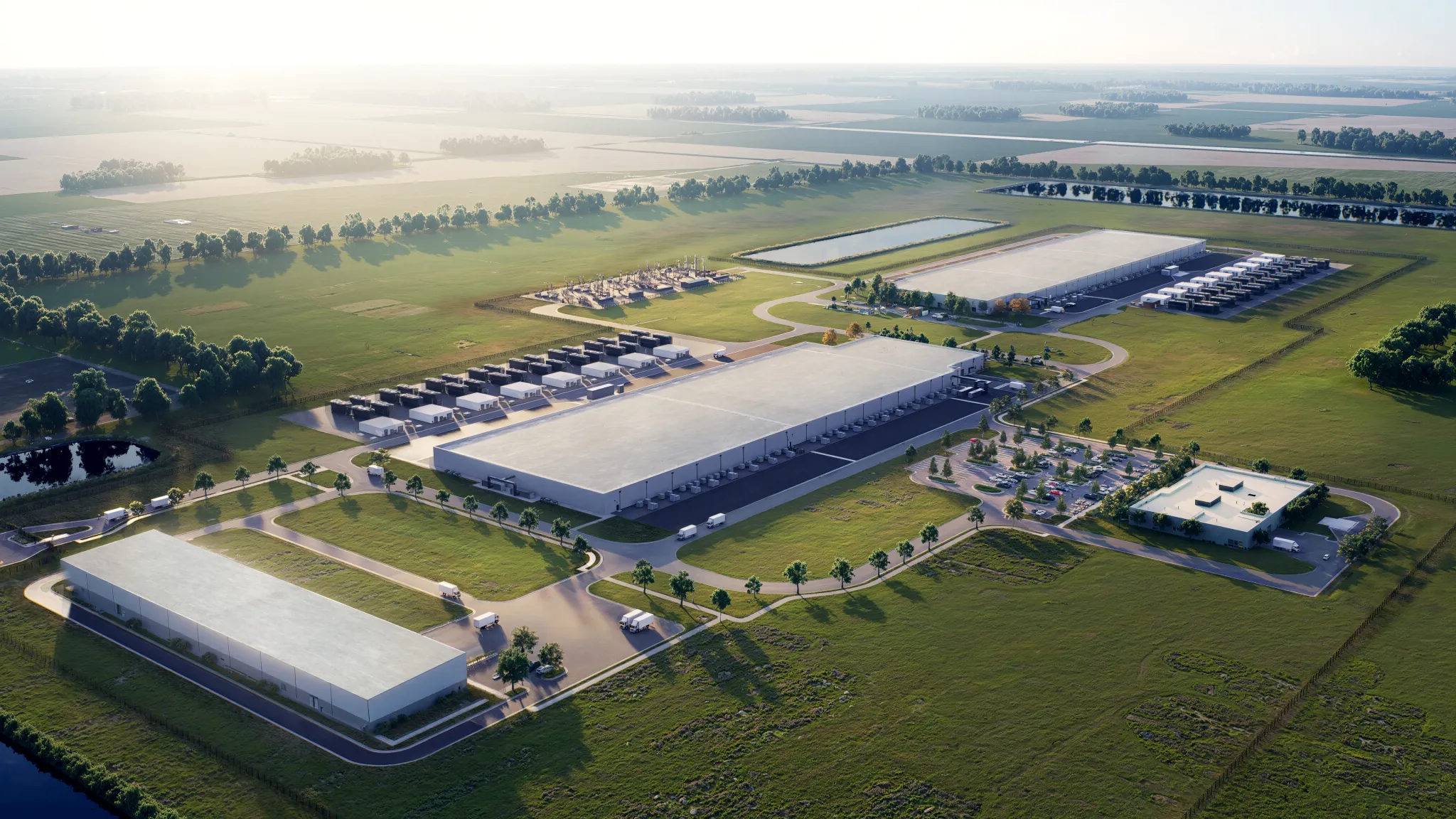
With the new Meta data center being built just north of our university in rural Wood County, the rise in artificial intelligence has now wormed its way into our own community. With more and more people using AI-powered search suggestions, chatbot responses, or creating fake images and videos, we need to consider the energy and resource use that goes into each generated item. New infrastructure has been created solely to meet consumers' needs for quick responses. This includes new data centers that consume massive amounts of energy, water, and other natural resources. And as the use of AI continues to grow more powerful, so does its impact on our planet and even our local community.
Circling back to Meta's new data center campus in Bowling Green, the project was announced in April of 2025 and is still under construction. Their selected site is 280 acres, and the center will be approximately 715,000 square feet upon completion. This massive project is set to cost over $800 million. At the same time, the project's implementation is set to create over a thousand jobs. However, most are construction jobs with temporary contracts, and the other 100+ positions are likely to be remote, save a few in-house staff. Meaning there will only be a handful of jobs at the center reserved for our local community.
Not only that, but energy rates are forecast to increase similar to other communities where data centers are already online, as data centers are known to use a large amount of electricity to operate. This will easily negatively affect the local community by raising their energy costs. A Google search about energy rates yields a default response from Google AI, which affirms that it is the main driver behind this increase. The Associated Press also states that that Americans paid 9.3 billion dollars more in electricity between September 2024 and September 2025, attributing 70% of that increase to data centers. To operate and train modern AI models, large amounts of electricity are required. For example, some language models may require thousands of high-powered Graphics Processing Units (GPUs) running for weeks or even months. This significantly increases energy demand. For reference, a single training run of a new AI model can consume as much electricity that 100 U.S. homes use within an entire year! Now Meta claims that they will match the Bowling Green data center’s electricity use with 100% clean and renewable energy, so hopefully that comes to pass with a new large scale solar installation in our area. It would be useful, as according to a new study done by the Electric Power Research Institute (EPRI), data centers are set to account for up to 9% of U.S. electricity generation by 2030.
AI doesn't just consume energy; it also consumes water. These AI centers have massive cooling systems to handle the heat generated by thousands of servers running 24/7. This, unfortunately, means heavy water usage. The Environmental and Energy Study Institute even says that "large data centers can consume up to 5 million gallons of water per day," which is enough for a town of 10,000-50,000 people. The water used in this process is freshwater, a resource that becomes scarcer by the day. Here in Wood County, there are multiple sources of water from which residents in different municipalities get their water. For those living in Perrysburg and Oregon, their water originates from Lake Erie; Fostoria (partially in Wood County) treats water from the East Branch of the Portage River; Waterville utilizes groundwater from the Jordan aquifers, and Bowling Green and other areas around the county use the Maumee River for municipal water. We all rely on our natural water table to supply water for agriculture, wetland ecosystems, and especially municipal use. Each of these is put under pressure by the competition for water use from these expensive data centers. In December 2025, the Northwestern Water and Sewer District erected a 2-million-gallon water tower to accommodate the expected increase in water withdrawal and stabilize water pressures that will be needed for Meta’s data center. It has been speculated that our water rich region will face increased pressure in the future as there is a rising demand for freshwater around the country as we continue to deplete aquifers and other resources.
Energy and water use are just the two main issues. There are also factors such as the many environmental harms arising from mining resources to produce these computers, their contribution to the global electronic waste problem when systems eventually fail or need upgrading, and the carbon footprints of the centers. So, anytime you’re considering intentionally using AI, please consider the environmental costs your request can have on our local community and the planet.
Updated: 01/12/2026 03:53PM