
BGSU a leader in championing solutions to improve Ohio's water quality

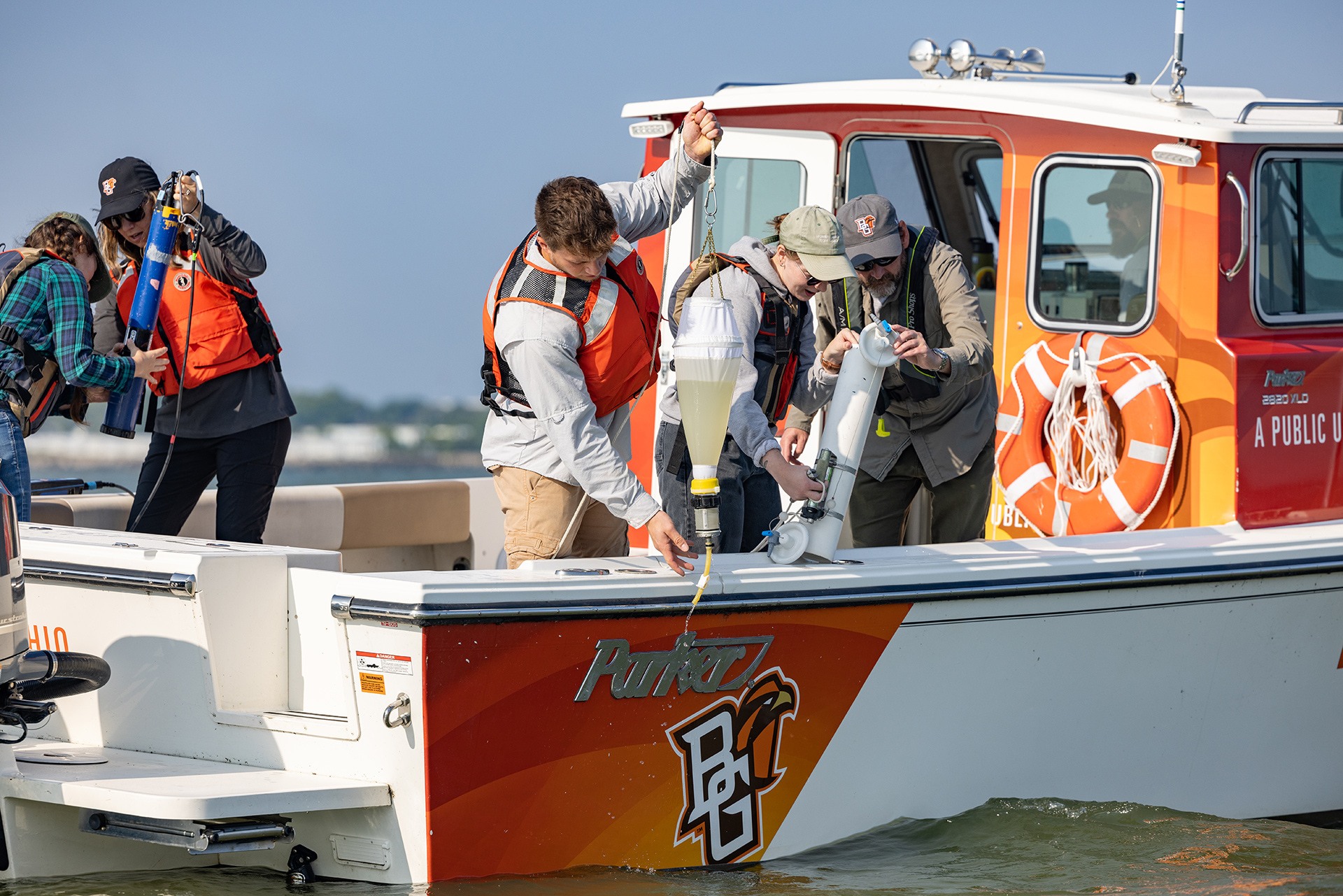
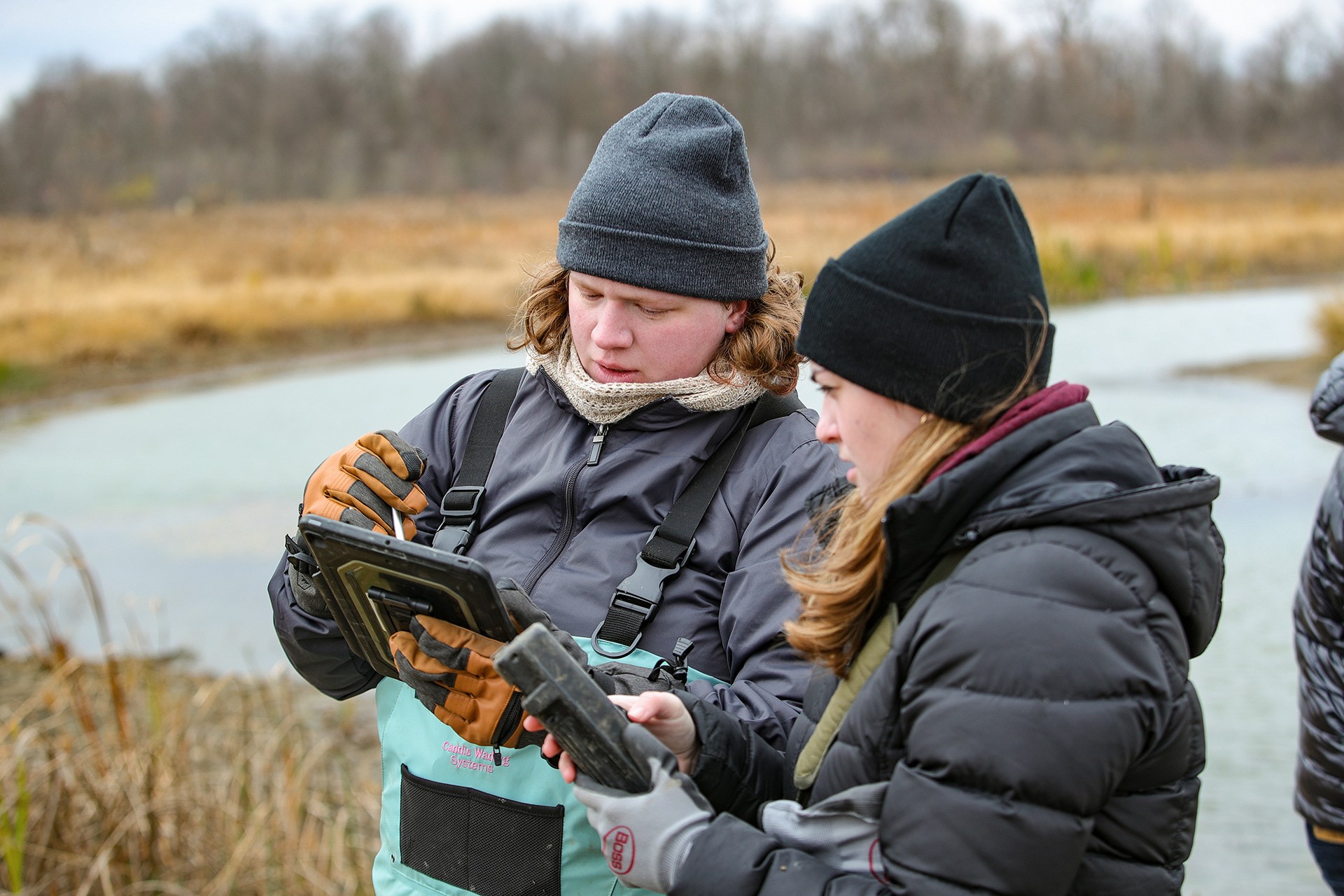
BGSU water quality research is taking place in Lake Erie, Ohio, waterways and wetlands. (BGSU photo/Craig Bell)
A broad range of water quality research conducted at BGSU has resulted in changes to public policy and mitigation efforts
By Branden Ferguson
A single event can change everything. For Ohio, that event was the 2014 Toledo water crisis, which shut down the city's water supply and served as a stark reminder of the importance of protecting Ohio's waterways. Toxic algal blooms threatened not only the health of residents but also the state's vibrant water tourism, an industry that generates billions for the economy and supports hundreds of thousands of jobs.
As a public university for the public good, Bowling Green State University is at the forefront of the fight to protect Ohio's water. Through state-funded research, BGSU professors and students are not just studying the problem – they are championing solutions that improve the lives of Ohioans and the greater public.
Dr. George Bullerjahn: Tracking toxic algae
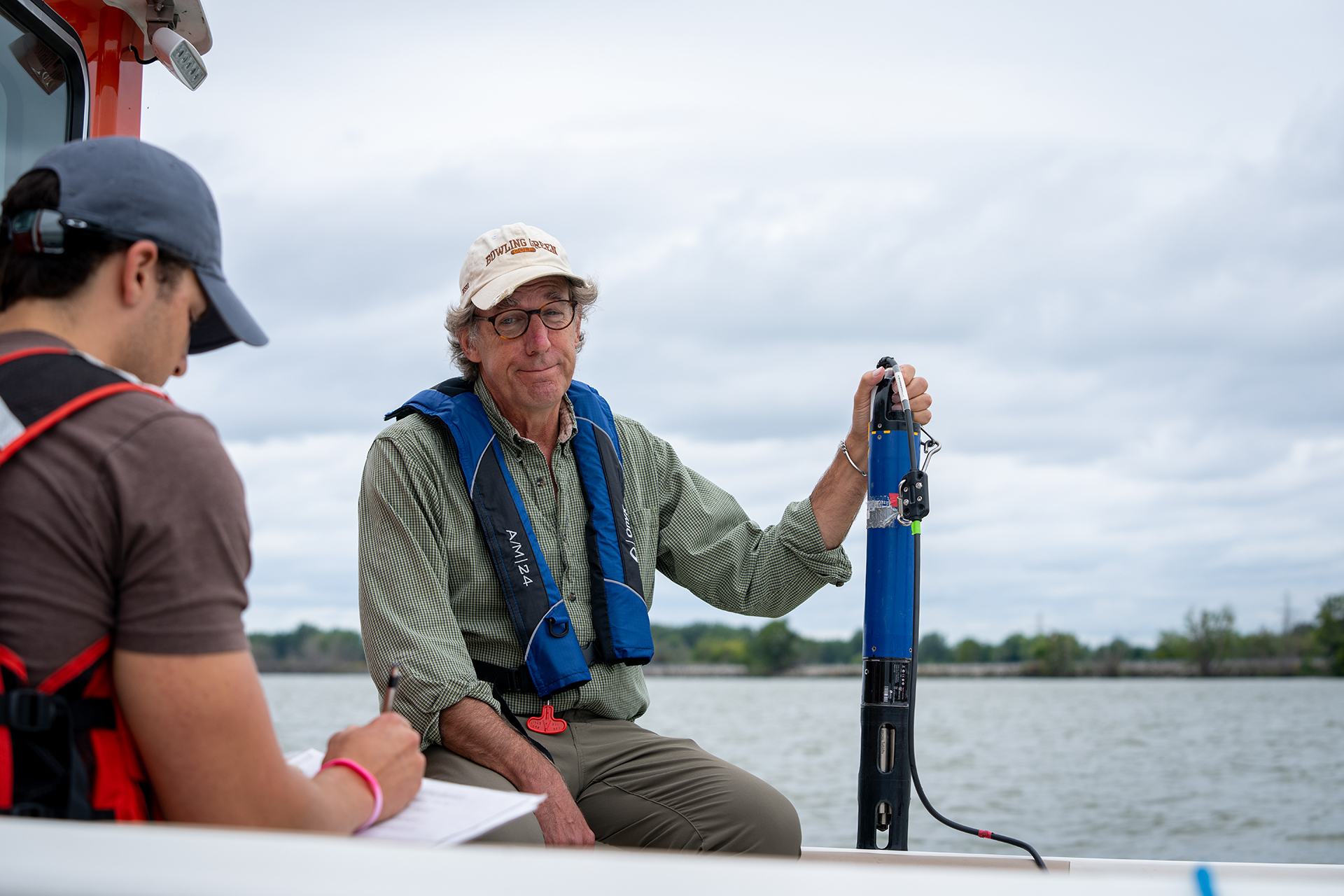
Dr. George Bullerjahn, a BGSU emeritus professor of biology, is an environmental microbiologist who has studied freshwater microbes for over 30 years. For the past decade, his research at BGSU has focused on the same bloom-forming cyanobacteria that caused the 2014 Toledo water crisis.
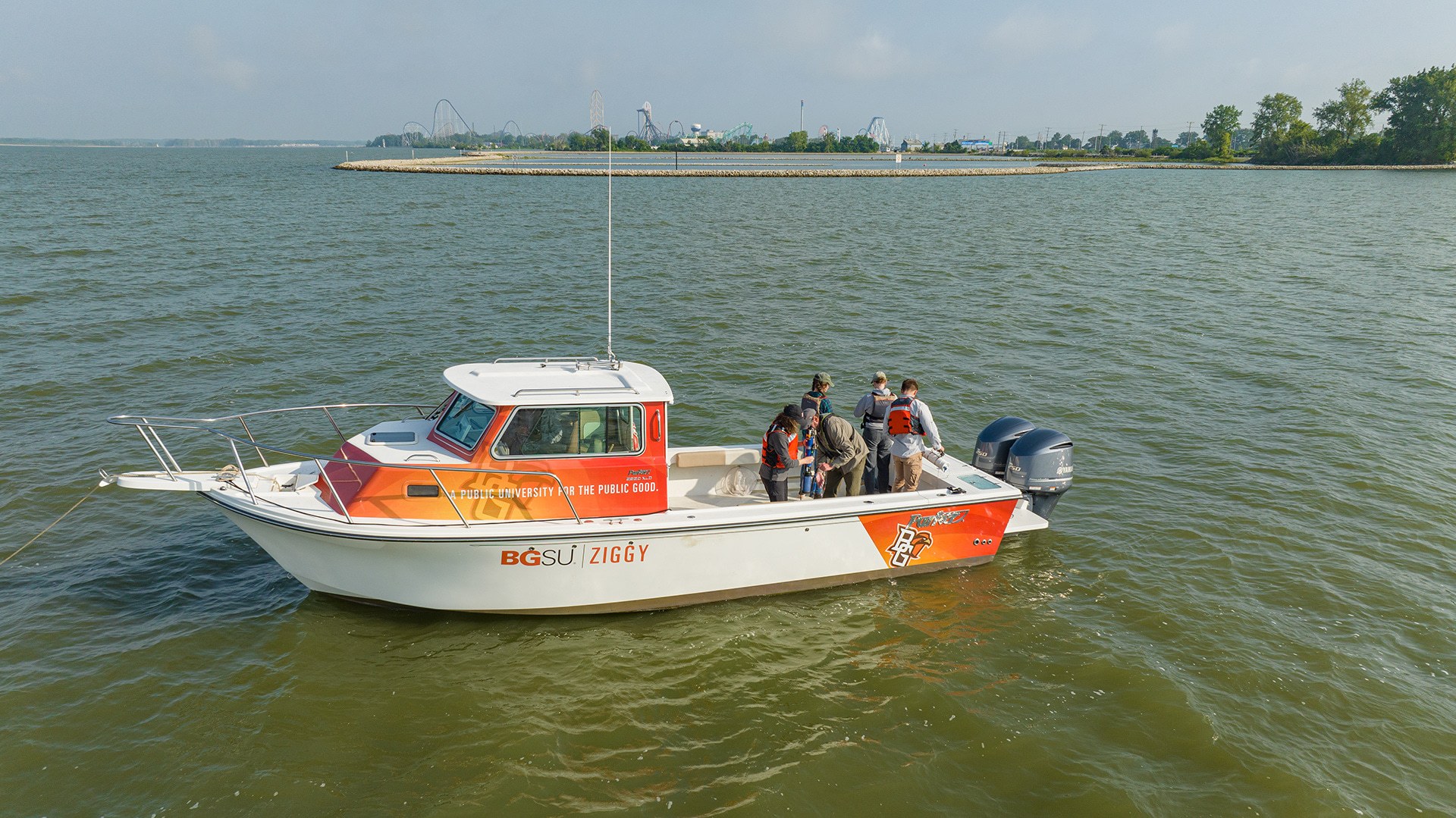
"Throughout the year, we are monitoring water quality and collecting samples throughout Sandusky Bay, utilizing our research vessel," Bullerjahn said. "Through our research, we know much more about what is driving cyanobacterial blooms and how they may be mitigated by nutrient management."
In the 11 years since the water crisis, Bullerjahn and his students have found a significant decline in the amount of toxins in Lake Erie's Sandusky Bay, one of the two locations toxic algal blooms were found in 2014. Researchers discovered that a toxic cyanobacterium called Planktothrix has essentially disappeared. While other algae still are present, and the potential for future toxins still exists, BGSU scientists determined a likely cause behind the drop in toxins - the removal of a dam along the Sandusky River, near the city of Fremont.
"Since beginning our research in Lake Erie, we have seen water quality improve significantly," said Bullerjahn. "Data trends showed continued improvements every year, signifying water quality in Sandusky Bay is nowhere close to the 'no contact advisory' standard that prevented people from utilizing the waterway more than a decade ago."
Dr. Kevin McCluney: Water contaminants
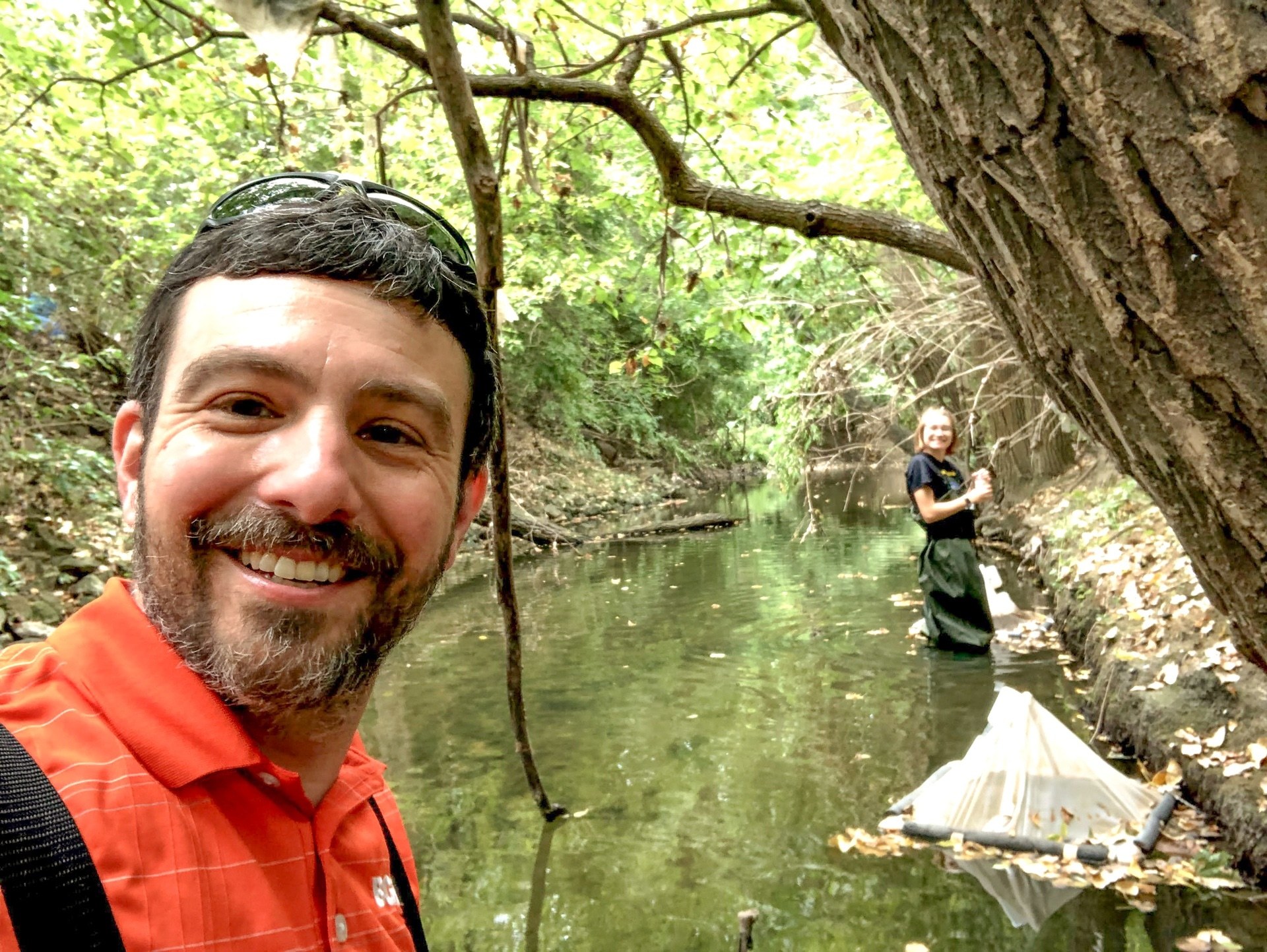
Joining BGSU in 2014, Dr. Kevin McCluney, now an associate professor of biological sciences, brought his expertise in ecology and aquatic research to the University. Some of his work focuses on the impact of water contaminants, such as pharmaceuticals and illicit drugs, on stream food webs.
"Through collaboration efforts with Dr. Travis Worst in forensic chemistry, we have learned that while water treatment plants remove some wastewater contaminants, others are ending up in streams at detectable levels," said McCluney. "For instance, concentrations of the antidepressant Zoloft are only slightly reduced by water treatment. It, along with other chemicals like caffeine and illicit drugs like cocaine are being found in Ohio's waterways.
"These chemicals can directly affect animals in these streams or have indirect effects if they change the nutrients in the algae at the bottom of streams. We found that caffeine can reduce the abundance of insects coming out of those streams, which means there would be less food for birds, bats and other animals."
McCluney also studies the role of plants and animals in nutrient cycling in wetlands and streams.
"Research inside and outside our lab has advanced our understanding of how agricultural practices influence nutrient loading into streams and ultimately the lake," said McCluney. "We have found that the use of wetlands can help trap nutrients and prevent phosphorus and nitrogen from accumulating in the lake, where they promote cyanobacteria."
McCluney and fellow faculty members are also taking BGSU students to the University's Ecology Research Station, where two wetland tank experiments are located. In total, more than 450 individual pots are growing common plant species found in wetlands throughout the Great Lakes region. McCluney and his students are working with collaborators, including Dr. Helen Michaels and Dr. Angelica Vazquez-Ortega, taking an in-depth look at each plant species' role in trapping phosphorus and nitrogen and using dredged sediment from Maumee Bay to speed up wetland establishment.
Dr. W. Robert Midden: Effectiveness of wetlands
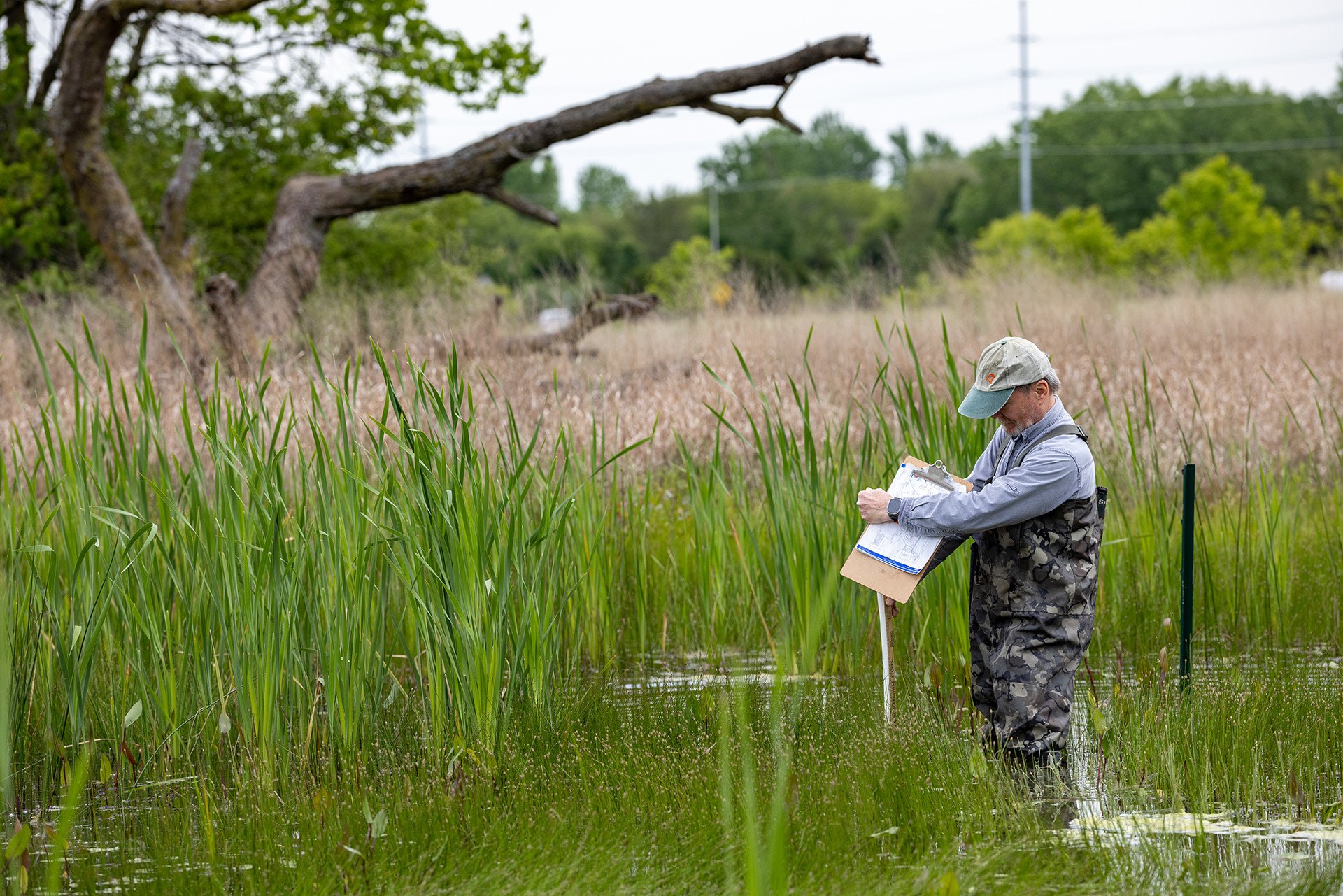
Dr. Bob Midden, a professor emeritus in the BGSU chemistry department, is one of 10 lead scientists in the H2Ohio Wetland Monitoring Program (WMP). He and his team monitor and research wetlands to determine their effectiveness at reducing the transport of phosphorus and nitrogen, which fuels the growth of cyanobacteria.
"The WMP team has evaluated more than 40 wetlands throughout the area and determined their effectiveness in reducing nutrients that find their way into Lake Erie, Grand Lake St. Marys, and other waterbodies in Ohio," said Midden. "We analyze the chemical composition of soil and water samples and measure a variety of parameters in the project sites. Results are used to calculate the amounts of phosphorus and nitrogen that flow into and out of wetlands, allowing us to compare these results and determine the benefits of various aspects of wetland structure, how water flows through them, the types of vegetation and many other factors that determine wetland function."
Work done by WMP and Midden has already established principles for optimizing the design of future wetlands to effectively contribute to the reduction of harmful algal blooms. These findings also help to foster a prosperous economy and a healthy environment at the lowest possible cost.
Ohio Gov. Mike DeWine launched the H2Ohio program in 2019, setting aside more than $147 million for wetlands mitigation and research efforts to combat harmful algal blooms. The Ohio Department of Natural Resources (ODNR) granted funding to scientists, including Midden, who are members of the Lake Erie and Aquatic Research network.

Creating change and leading mitigation efforts
The research conducted at BGSU is directly influencing state policy and mitigation efforts:
- Policy and legislation: In the wake of the 2014 Toledo water crisis, Bullerjahn's lab helped Rep. Bob Latta draft H.R. 212, "The Drinking Water Protection Act," which tasked the EPA with assessing the risk of cyanotoxins to humans. The act was signed into law by President Barack Obama in 2016.
- Informing projects: McCluney's research on wastewater chemicals helps public health organizations track use of pharmaceuticals, wildlife managers understand risks to game and fish and city governments and treatment plant managers understand technological limitations and plan upgrades to facilities. Additionally, his collaborative research on nutrient absorption by plants provides state project managers with the data they need to help them better plan the creation and restoration of wetlands.
- Tangible results: As part of the H2Ohio Wetlands Program, Midden's research estimates the effects of wetlands on nutrient reduction. Data shows a median decrease of phosphorus by 2 lb/acre and a 27 lb/acre reduction of nitrogen. According to the 2025 ODNR Annual Report, 65 new wetland projects were created or scheduled this year, totaling more than 1,600 acres, a driving force in improving water quality across the state.
- Global reach: Bullerjahn's findings have led to the development of inexpensive technologies for detecting viral lysis, which helps water treatment plants implement effective detoxification protocols. His work has also carried over to Kenya's Lake Victoria, where local authorities are now monitoring cyanotoxins in the Winam Gulf, where the lack of water treatment facilities poses health threats to the local population.
The future of water quality research
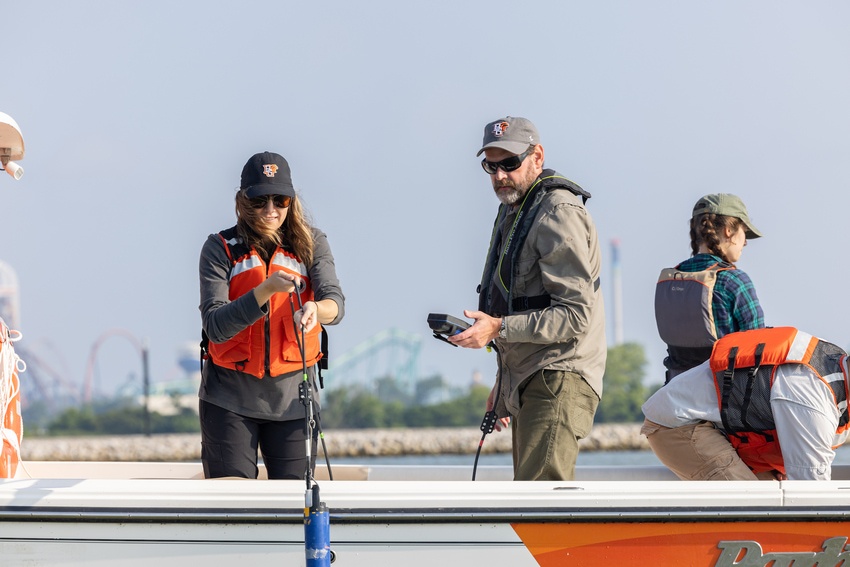
Offering hands-on experiential learning to undergraduate and graduate students, the research at BGSU allows students to learn by doing. When it comes to water quality research, students are at the center of it all, collecting samples, analyzing data, presenting findings and so much more.
"We need to ensure that our students become the next generation of scientists poised to succeed," said Bullerjahn. "At BGSU, we strive to provide the appropriate research environment that utilizes the most modern technologies to develop the best prepared scientific workforce."
With a wide variety of water research projects taking place at BGSU, students have the opportunity to create public good while also conducting research in an area they are passionate about.
"The broad range of expertise and capabilities at BGSU complement each other in a powerful way that enables achievements that are otherwise unattainable," said Midden. "This energizes our research and encourages our students to continue the research for decades to come."
What's next?
While there is consensus among BGSU faculty that progress is being made, they all agree that more needs to be done.
Dr. Midden
"These are complex situations and environments that will require an array of disciplines, strategies, tactics, expertise and resources to address in a holistic fashion that is needed to craft truly long-term solutions that benefit the common good and work with nature cooperatively to achieve the best balance needed to have a healthy environment and a prosperous future."
Dr. McCluney
"Although we have greatly improved our understanding of many important environmental challenges, there is still a lot that is unknown. We still don't fully understand the impacts of emerging contaminants on food webs, why some agricultural fields are larger sources of phosphate, or how different species of wetland plants influence nutrient cycling."
Dr. Bullerjahn
"With research being done on algal blooms, wetlands, contaminants, agricultural runoff and more, I think we as researchers are making progress. We are heading toward real solutions, but the ever-changing climate may cause an issue. As the temperature rises, more rainfall will occur, increasing nutrient loading into lakes. Additionally, warmer water creates a more favorable environment for cyanobacteria to grow."

Updated: 04/30/2026 09:13PM