
How BGSU is driving excellence in engineering

As a public university in Ohio, where manufacturing is among its largest industries, BGSU is committed to educating the next generation of engineers to meet the evolving workforce demands.
As industries have evolved and workforce demands have shifted, Bowling Green State University has adapted readily to equip students with the skills and hands-on experience the job market demands.
With Ohio ranking third in the nation for manufacturing jobs, BGSU has made significant investments in recent years to prepare students for the emerging technologies shaping the state’s manufacturing industry.
The investments range from infrastructure and technology upgrades to reimagined academic programs, industry partnerships and innovative programs to upskill working professionals, creating a cohesive alignment between academia and industry. This alignment supports workforce needs, strengthens the economy and promotes Ohio’s leadership in advanced manufacturing.
“These strategic investments to align our academic programs with Ohio’s evolving workforce demands are driven by our commitment to positioning students for success,” said Dr. Wael Mokhtar, dean of the College of Engineering and Innovation. “Our students are learning foundational principles of engineering and then directly applying that knowledge in our state-of-the-art labs.
“Our students are not just educated but exceptionally prepared to lead and innovate in Ohio's vital manufacturing sector.”
A new state-of-the-art facility
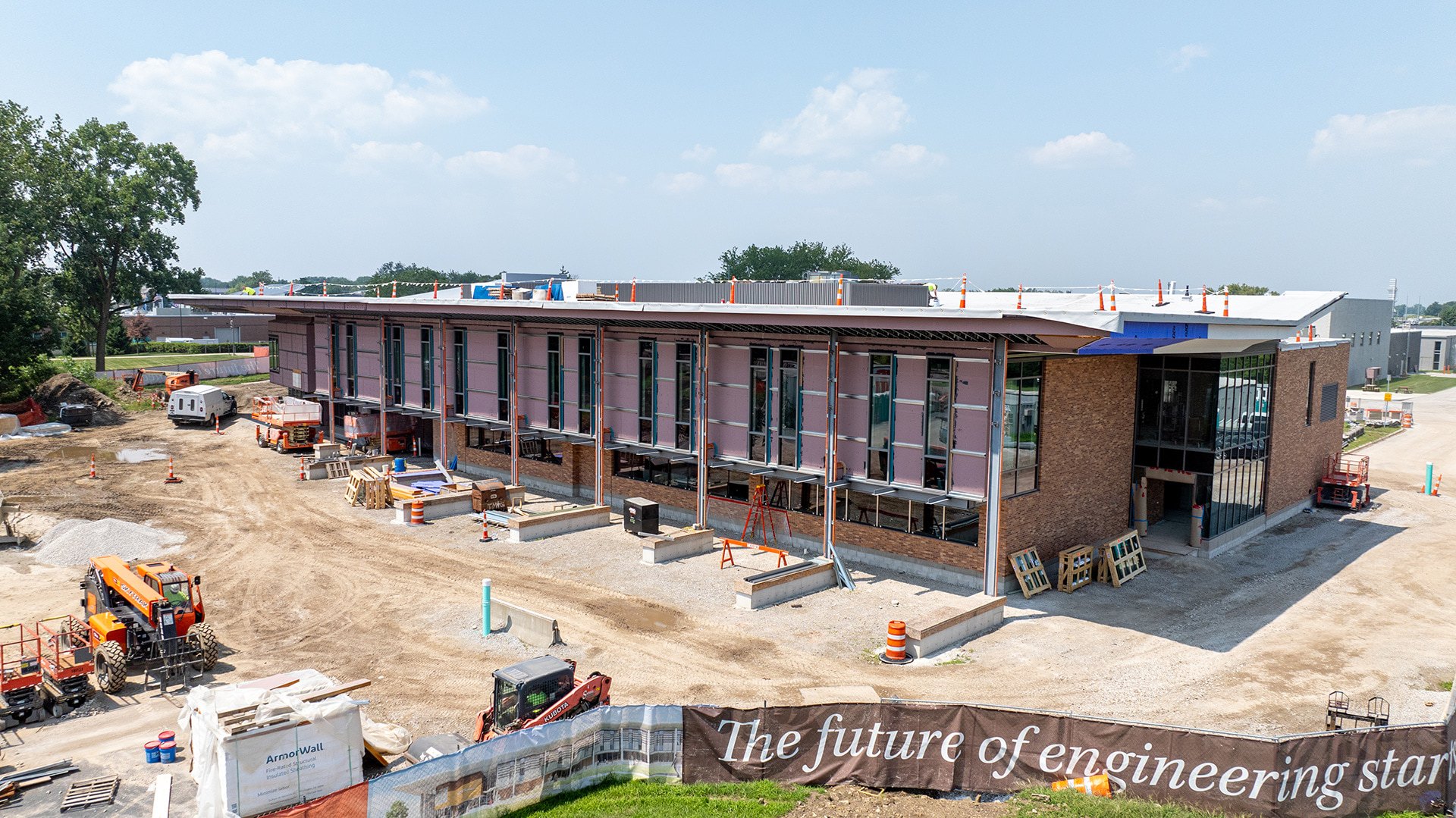
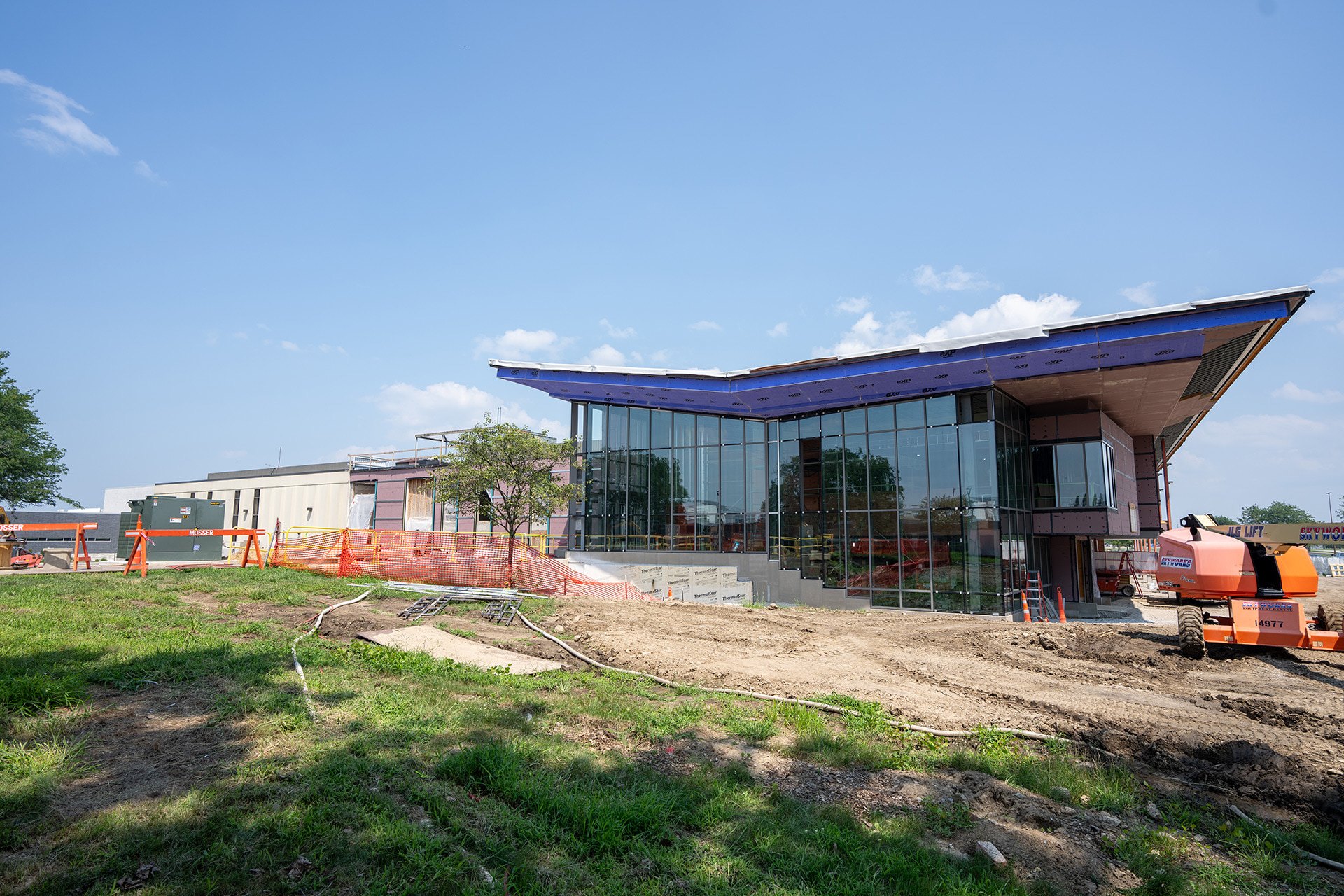
Among the most visible investments is the new state-of-the-art Technology Engineering Innovation Center, which will add 24,000 square feet to the University’s current technology building.
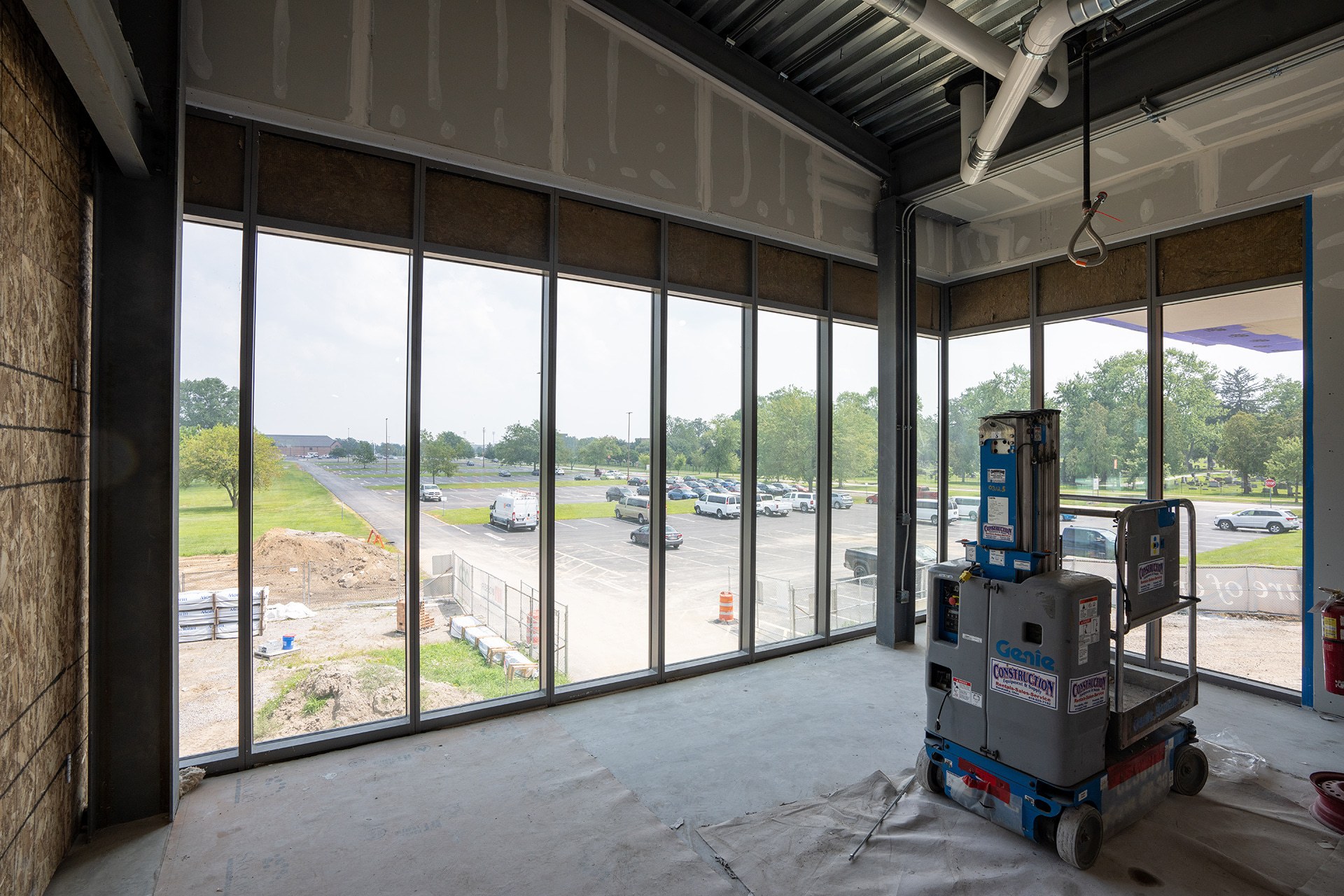
The renovation project, which began last summer, has been progressing steadily, with the building set to be completed in Spring 2026.
The innovative BGSU Technology Engineering Innovation Center will feature:
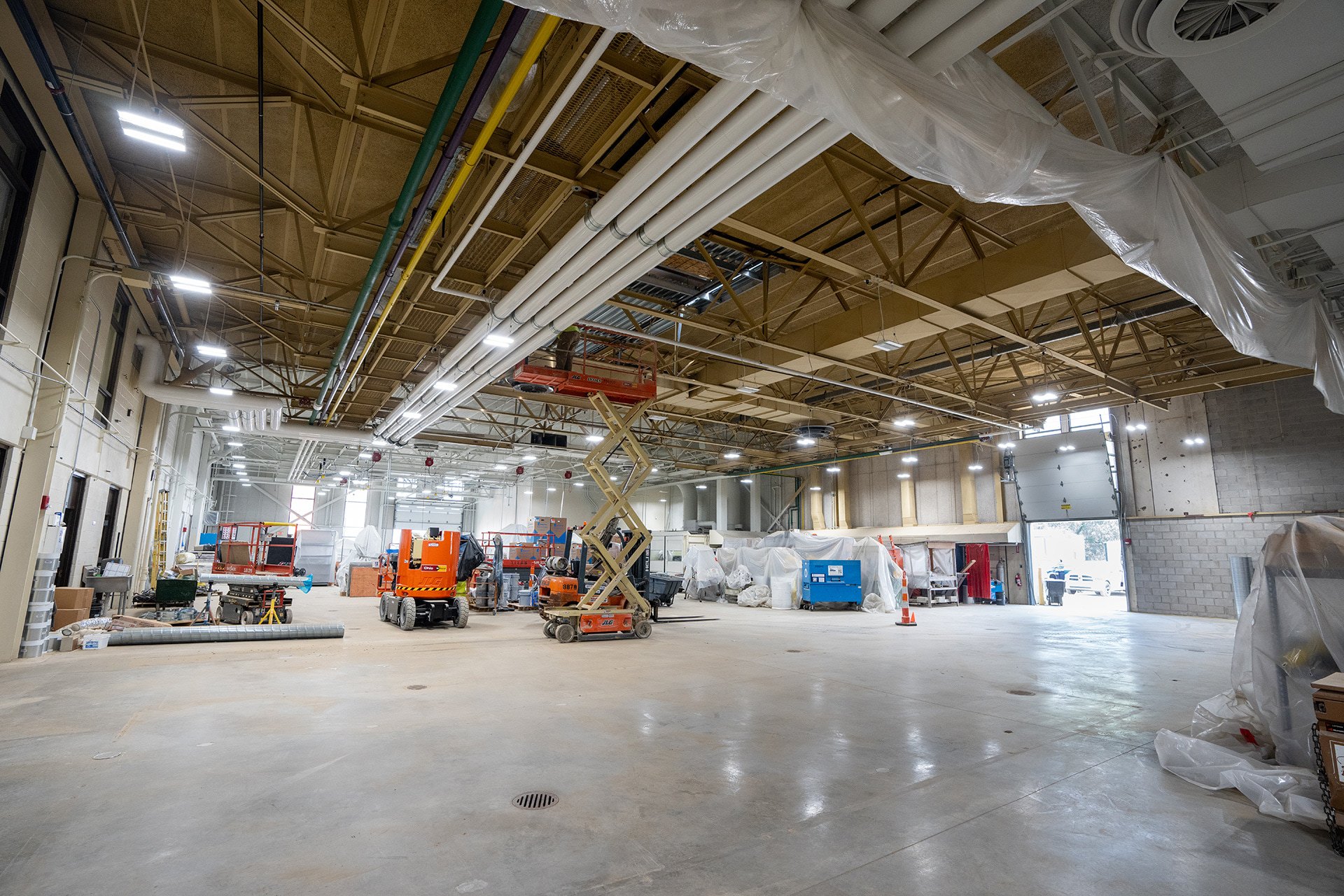
- seven large-scale specialty labs, including a mobile robotics and AI/virtual reality lab
- ultra-modern classrooms
- collaboration space to support quality teaching and creative activities
- learning on display
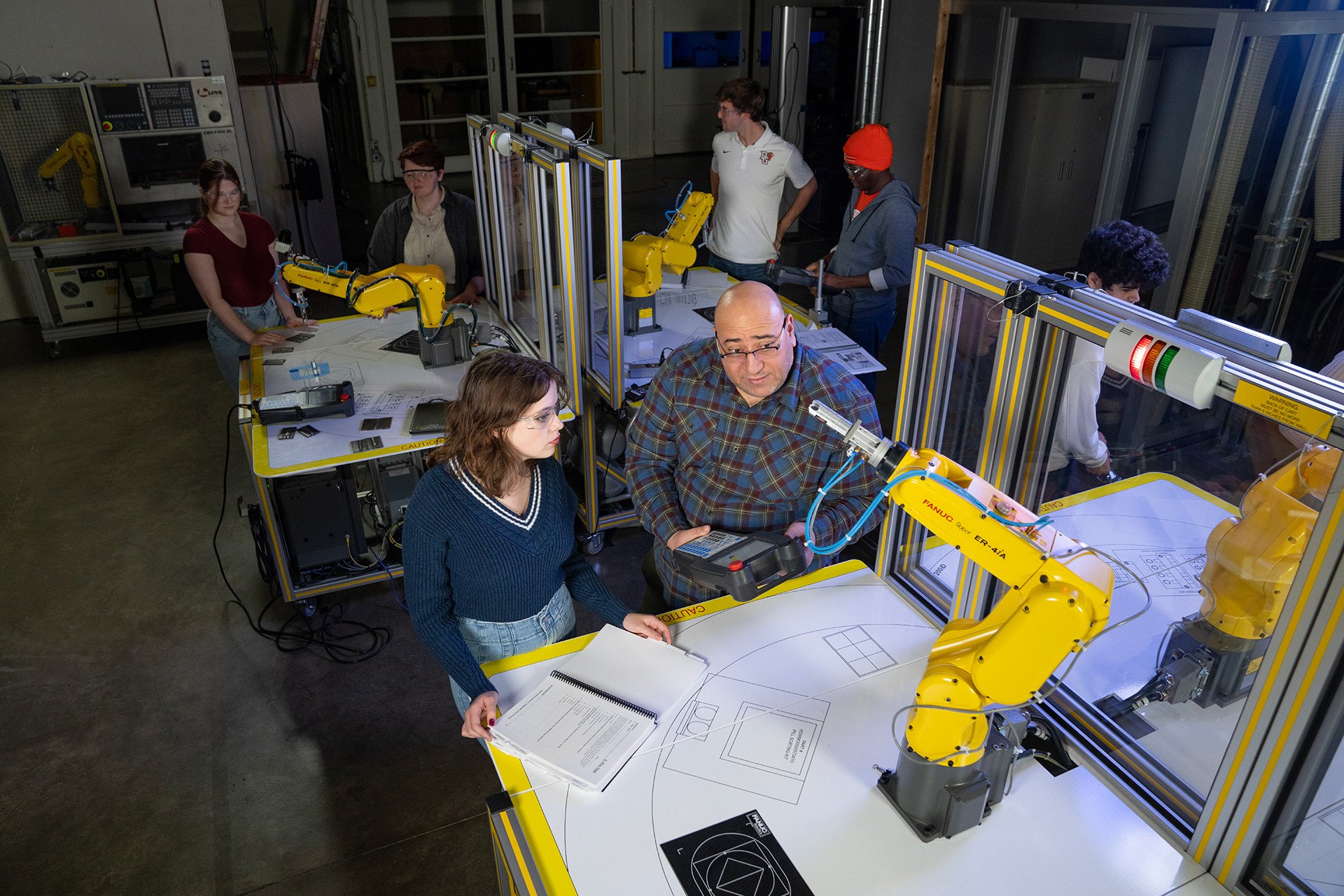
The labs within the new facility have been uniquely designed to mimic what students will encounter in the workplace.
For example, in the Artificial Intelligence and Advanced Systems Center (AIASC), students will learn control system design, which is vital in automation and efficient process management. Through hands-on experience, students will prepare for careers as control systems engineers or automation engineers, which are in high demand at companies such as Rockwell Automation or Eaton Corporation.
“All of the equipment available in these centers is what students will use in their work environments,” said Dr. Mohammed Abouheaf, an associate professor in the BGSU School of Engineering. “The balance between providing students with theoretical and foundational engineering knowledge and training them on real-world equipment gives our students a unique competitive advantage in the workplace.”
The labs are also built to encourage cross-collaboration, further supporting the interdisciplinary nature of the reimagined engineering programs.
The building’s forward-thinking design allows the University to quickly adapt as technology inevitably continues to evolve, explained Kristi Peiffer, director of campus construction.
“One of the focuses we had when we were creating this space was to create a modular system for the labs, so as technology changes and new equipment needs emerge, we have flexible spaces to accommodate any of those changes,” Peiffer said. “While they are set up today for advanced manufacturing, 3D metal printing and semiconductors, they can change and evolve with the programs in the School of Engineering.”
The Technology Engineering Innovation Center will serve as the centerpiece to the campus' evolving STEM corridor, which is set to feature new and reimagined facilities over the next 15 years that support learning and career preparation in growing science, technology, engineering and mathematics fields.
Tour the new Technology Innovation and Engineering Center as construction moves forward at BGSU
(BGSU video/Justin Camuso-Stall '14 and Benjamin Boutwell '24)
Reimagined engineering degree programs
Last fall, BGSU launched three reimagined degree programs, building on the University’s longstanding ABET-accredited programs in applied engineering.
The new and rapidly growing interdisciplinary programs in robotics engineering, electronics and computer engineering, and mechanical and manufacturing engineering as well as systems engineering combine engineering fundamentals with strong foundations in math and science, providing students with the skills to address a myriad of modern engineering challenges.
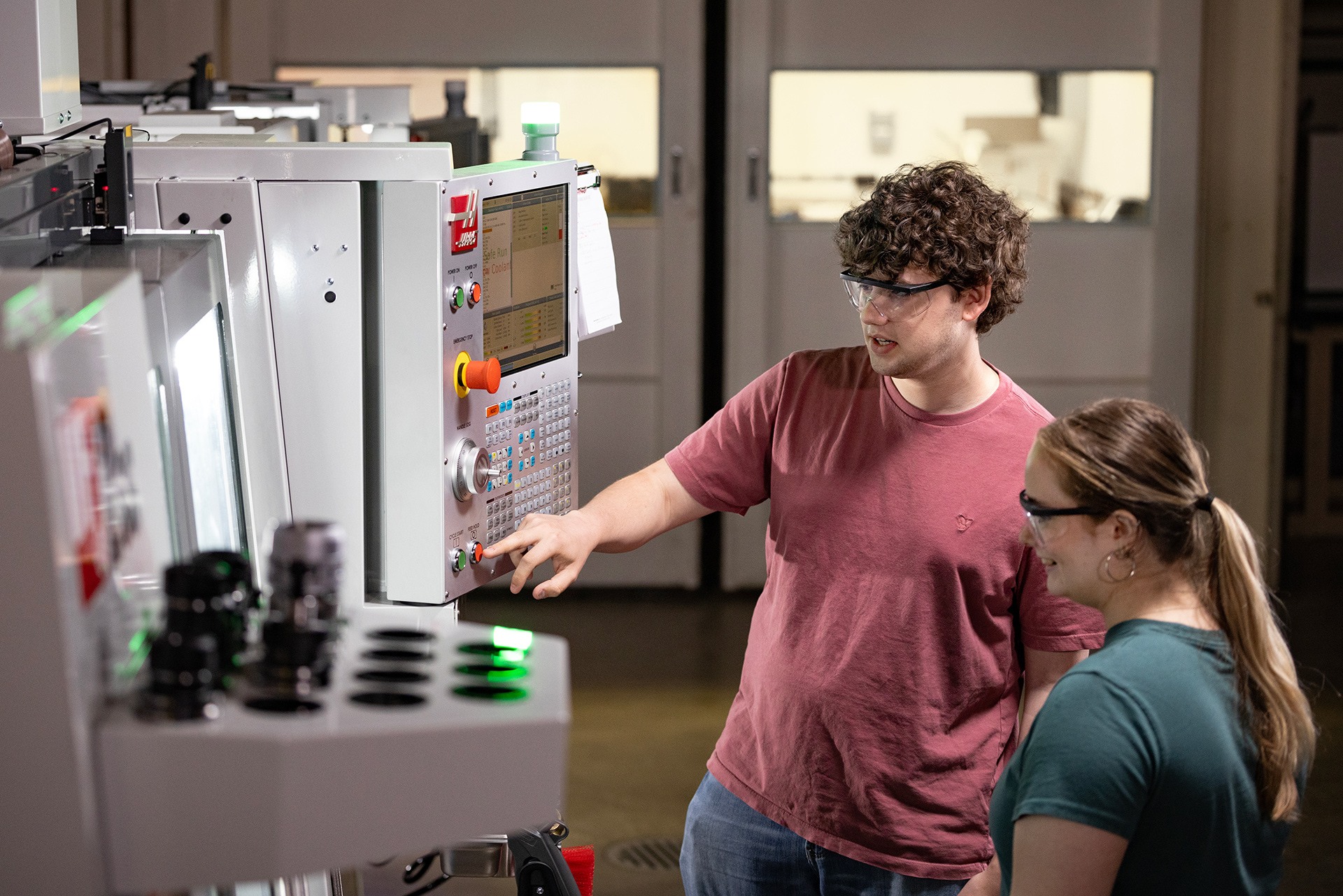
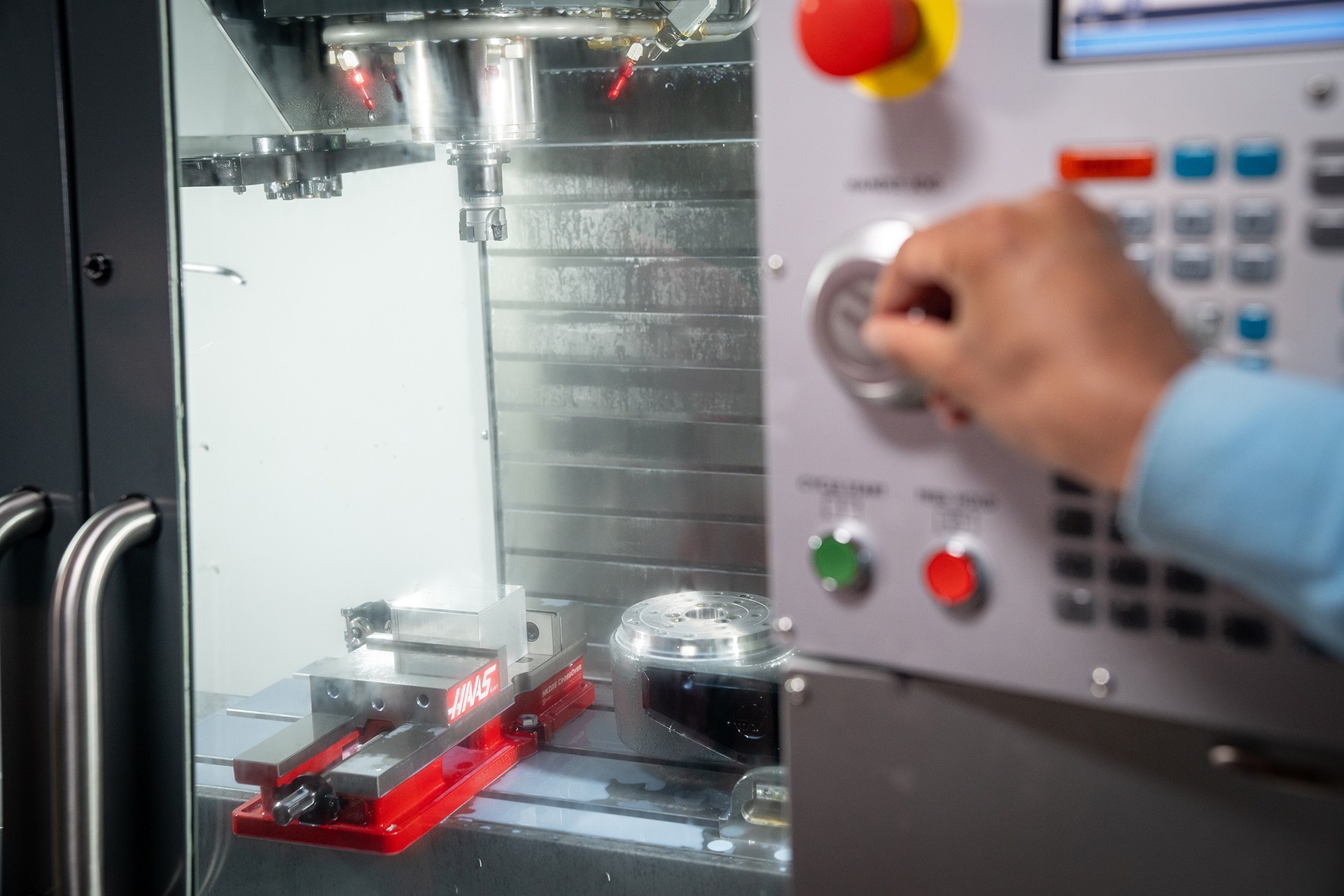
Hands-on learning is a key focus of the programs, with 80% of engineering courses including a lab experience. The direct application of knowledge will be further bolstered with the additional cutting-edge technology available in the forthcoming Technology Engineering Innovation Center.
The College of Engineering and Innovation set an enrollment record in Fall 2024 with a record-high 1,703 students, up nearly 8% from the previous year, which signifies growing interest in programs with strong job prospects.
Industry partnerships
BGSU has partnered with industry for decades to ensure its programs remain relevant and effective in preparing students for successful careers in rapidly evolving sectors such as engineering.
By understanding the specific requirements and expectations of employers, BGSU can tailor its programs to meet the immediate and future needs of the industry, further contributing to the growth and sustainability of the state’s economy.
Earlier this year, the BGSU School of Engineering entered into a collaborative agreement with two Ohio-based companies — Kata Solution LLC of Powell and IoTco of Cincinnati — to drive AI and smart technology integration in advanced manufacturing.
The changes in technology of the next era are expected to be significant, but by partnering directly with key players in the industry, Mokhtar said BGSU can provide students with career-building opportunities before graduation, which in turn also allows partners to keep top talent in Ohio.
BGSU and Terra State Community College established a 2+2 degree pathway to increase accessibility to higher education and support workforce demands in fields crucial to Ohio’s economy.
Students can transfer all their associate degree credits from six eligible Terra State programs into any of the 15 undergraduate degree programs in the BGSU College of Engineering and Innovation.
Building on an existing relationship, BGSU and Penta Career Center formalized a partnership in late 2024 that allows students to dual enroll at both institutions at no cost. Students taking career-technical classes at Penta can simultaneously earn college credits through BGSU, putting them on an accelerated path to a bachelor’s degree.
Through this program, once a student has earned an associate degree and is admitted to the University, they can pursue any of the undergraduate degrees available in the BGSU College of Engineering and Innovation.
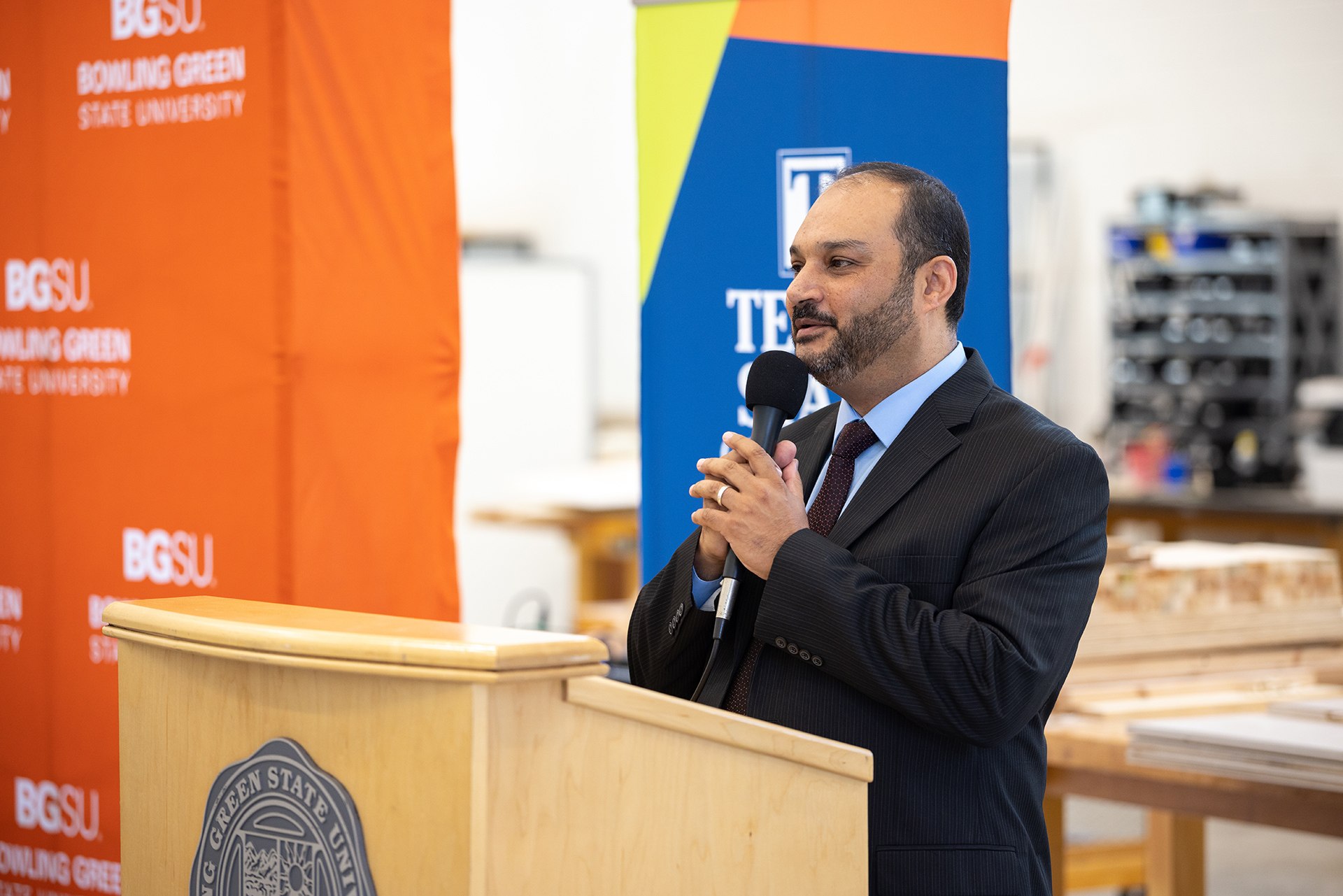
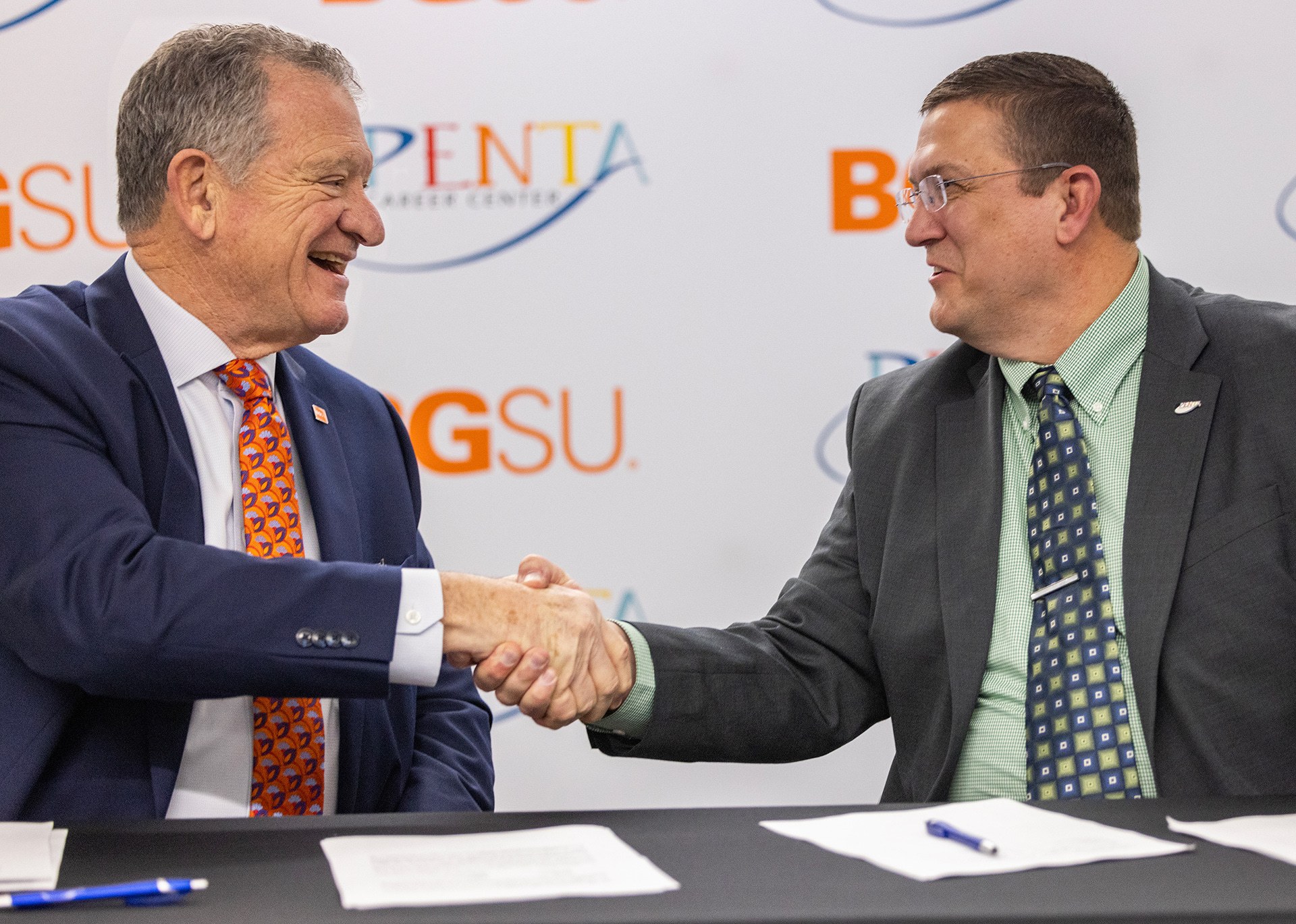
BGSU has partnered with industry and organizations for decades to increase access to higher education and ensure programs effectively prepare students for the evolving demands in engineering.
Upskilling industry professionals
Another example of the University’s investment in supporting regional workforce needs in advanced manufacturing and robotics is its ongoing efforts to upskill industry professionals.
More than 120 industry professionals enrolled in a microcredential training program this summer, developed by BGSU with support from the U.S. Economic Development Administration.
Participants followed tracks in either robotics and automation or smart manufacturing, with modules focused on industrial sensors and actuators, artificial intelligence and machine learning, additive manufacturing, quality control and lean practices.
Additionally, the third cohort of high school and community college educators who currently teach science, technology, engineering and mathematics (STEM) subjects conducted cutting-edge, hands-on research in advanced manufacturing and robotics alongside BGSU engineering faculty members.
The goal is for educators to apply their newfound knowledge in the classroom to increase awareness among their students of career opportunities available in engineering.
“BGSU is committed to broadening our educational outreach to support regional workforce needs and drive economic vitality,” said Dr. MD Sarder, director of the School of Engineering, who is leading the training programs. “This work is critical to our mission as a public university for the public good.”



Updated: 10/08/2025 12:39PM