
Current Fellows
Faculty Fellows for 2026-27

Immigration in film: what can the US learn from the German experience?
This project focuses on the portrayal of migrants and refugees in films from Germany; public film screenings and discussions will invite local audiences to compare their own experience. Where possible, students from my film course will be included in the discussions of three films also assigned for class. Ai Wei-wei’s Human Flow (2017), inspired primarily by the Syrian refugee crisis, gives an overview of the global scale of refugee migration. Using both highly personal and stylized documentary footage, his film allows for a discussion of both the refugee experience and the aesthetics of filmic portrayals. Fatih Akin’s Edge of Heaven (2007) foregrounds the experience of Turkish guest workers who often stayed in Germany for decades and raised families there, creating a complex web of travel and communication between the two cultures and countries. Finally, Burhan Qurbani’s Berlin, Alexanderplatz (2020) highlights both the recent phenomenon of West Africans arriving to Europe by boat, as well as persistent views of blackness in white societies. Using the German experience as a mirror for the US, this project uncovers common dynamics in both countries.
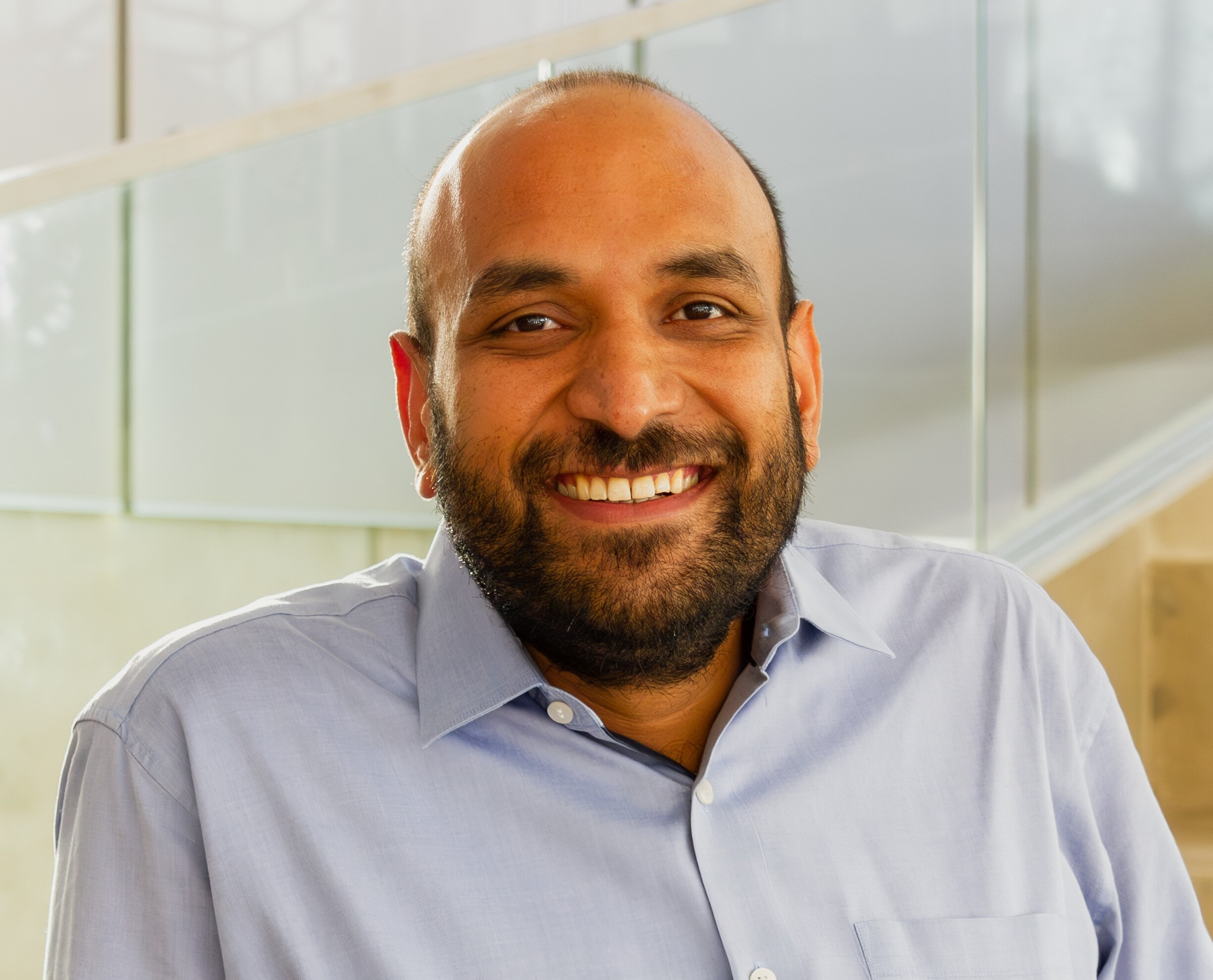
Impact of Artificial Intelligence (AI) technology on nonprofit sector in Northwest Ohio
Artificial Intelligence (AI) tools such as ChatGPT have been used widely by nonprofit and Civil Society Organizations (CSOs). However, most knowledge about AI's use by CSOs is emerging from practitioners' experiences, primarily focused on urban geographies in the U.S. (leaving rural and semi-urban areas). Also, most of the writing on this topic mainly focuses on the positive use of generative AI. It also needs to pay attention to the possible negative impact of this emerging technology on nonprofits and the communities they serve. Thus, more research is needed to understand the impact of generative AI technology by nonprofit and CSO organizations in rural and semi-urban geography in Ohio. I propose to use qualitative research methodology to interview nonprofit executives in Northwest Ohio to understand how they are using this emerging technology to advance their mission and the potential pitfalls or challenges of this technology on the sector and local community served by these nonprofits and CSOs. I anticipate findings from this research will contribute to understanding the implications of emerging technology, such as generative AI, in the nonprofit and CSO sector in Northwest Ohio (beyond the university) and add to the policy debate about the use of generative AI and its impact on local communities served by diverse nonprofit and CSOs.
Mindfulness, Narrative, and the Environmental Humanities: The Inner Development Goals as a Pathway to Collective Resilience
This project (proposed for the spring 2027 semester) explores how mindfulness and storytelling can help cultivate place, self, and community in a time of social and ecological uncertainty. Partnering with the Black Swamp Conservancy and the BGSU Office of Health and Wellness, I will design and lead two public workshops that invite participants—students, faculty, staff, and community members—to slow down, listen, and reflect through nature-based mindfulness and creative writing. I will also engage in regular “sit spot” nature journaling exercises as part of an autoethnography of place.
Rooted in the Environmental Humanities, the project uses life writing, poetic inquiry, and the Inner Development Goals (IDGs) to explore the inner dimensions of sustainability—being, thinking, relating, collaborating, and acting. Workshop participants will meet on Conservancy-protected lands to engage in guided mindfulness sessions, short journaling and poetry activities, and shared conversation about resilience and belonging.
A life writing and digital humanities component extends this work beyond the workshops into an autoethnography of place. An online StoryMap will feature key reflective writing, photographs, and insights from me and the participants, creating a public archive that celebrates the links between mindfulness, story, and the living world.
By linking the humanities and community engagement, this project encourages the broader public to see sustainability not just as a scientific or policy issue, but as a shared communal practice. We will use story and contemplation as tools for connection—nurturing resilience both within ourselves and across the Black Swamp Bioregion.
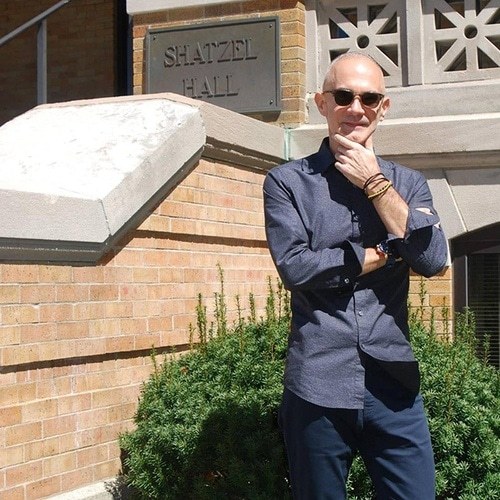
The Cuban Speculative Fiction Digital Archive: Preservation, Public Access, and Critical Inquiry
What happens when a country’s imagined futures begin to vanish? This project confronts that question by preserving a vital but endangered part of Cuba's cultural memory: its speculative fiction. I have a personal collection of approximately 30 rare science fiction and fantasy books published exclusively in Cuba between the 1960s and 2000s. With limited print runs and no digital presence, these works are physically deteriorating and disappearing from circulation, rendering them inaccessible to the world. The Cuban Speculative Fiction Digital Archive will change that. During the fellowship, I will digitize this entire collection, creating the first open-access digital archive of its kind. This public-facing resource will ensure that these unique literary voices are not lost to time. This archive is a work of public humanities designed to serve diverse communities. It will provide invaluable primary sources for researchers, authentic cultural materials for K–12 and university educators, and a powerful connection to cultural heritage for Cuban diaspora communities worldwide. A key feature is a direct community partnership with the Independent Libraries of Cuba, which will use the archive to serve readers on the island. This project doesn't just save books; it preserves a nation's dreams and makes them accessible to all.
Updated: 08/27/2026 10:26PM