Life Design Convening at Bowling Green

Life Design Convening at Bowling Green

More than 120 higher education leaders explored how Life Design frameworks are transforming student support, career preparation and long-term success

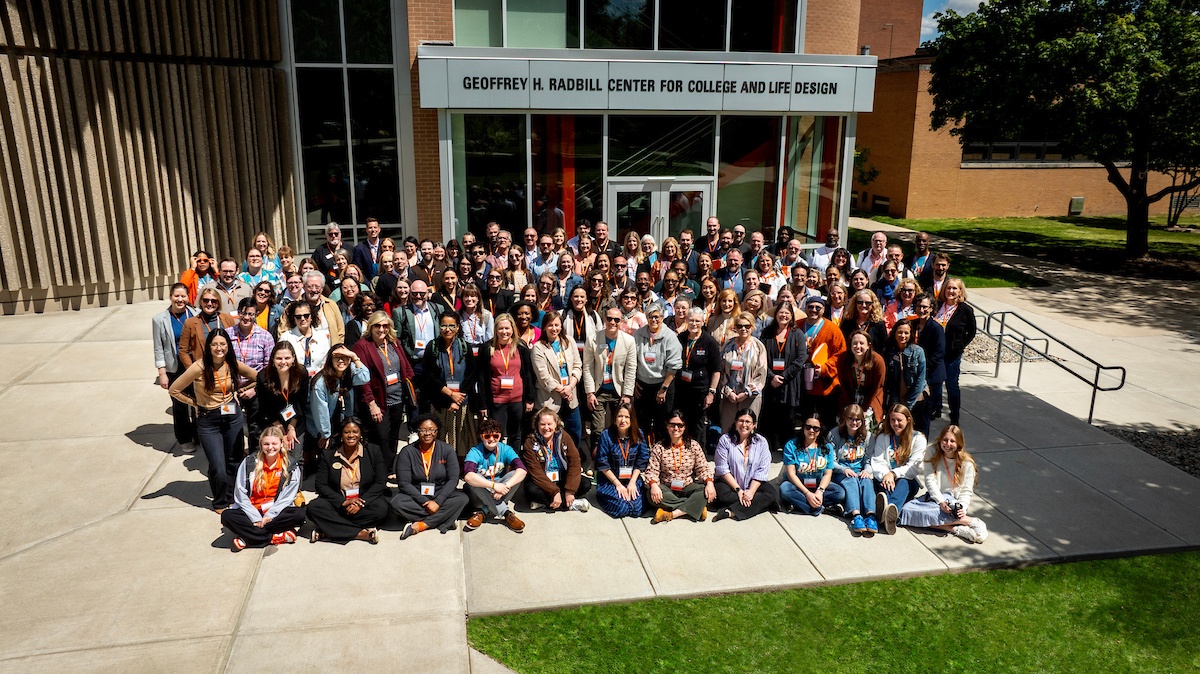
Bowling Green State University recently hosted the nation’s first-ever Life Design Convening, bringing together leaders from 27 colleges and universities from across North America to share insights and best practices on helping students navigate college with greater confidence and purpose.

Since launching Life Design in 2020, Bowling Green has steadily expanded the program, making it available to every undergraduate student at all stages of their educational journey, from orientation to graduation and beyond.

Over the past six years, more than 10,000 students have been introduced to Life Design, putting students in the driver’s seat of their educational experience by equipping them with the tools they need to navigate college and prepare for life after graduation.

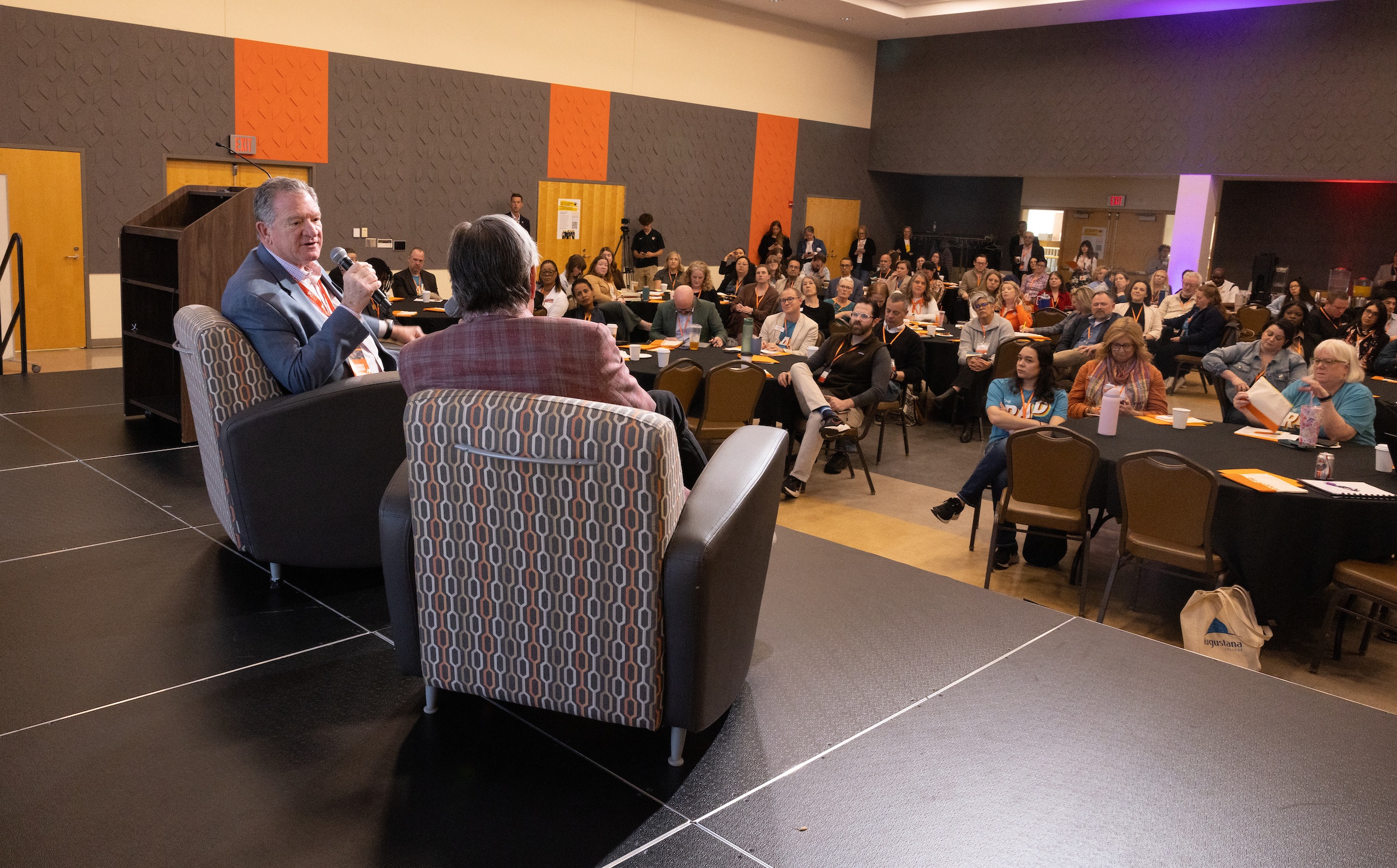
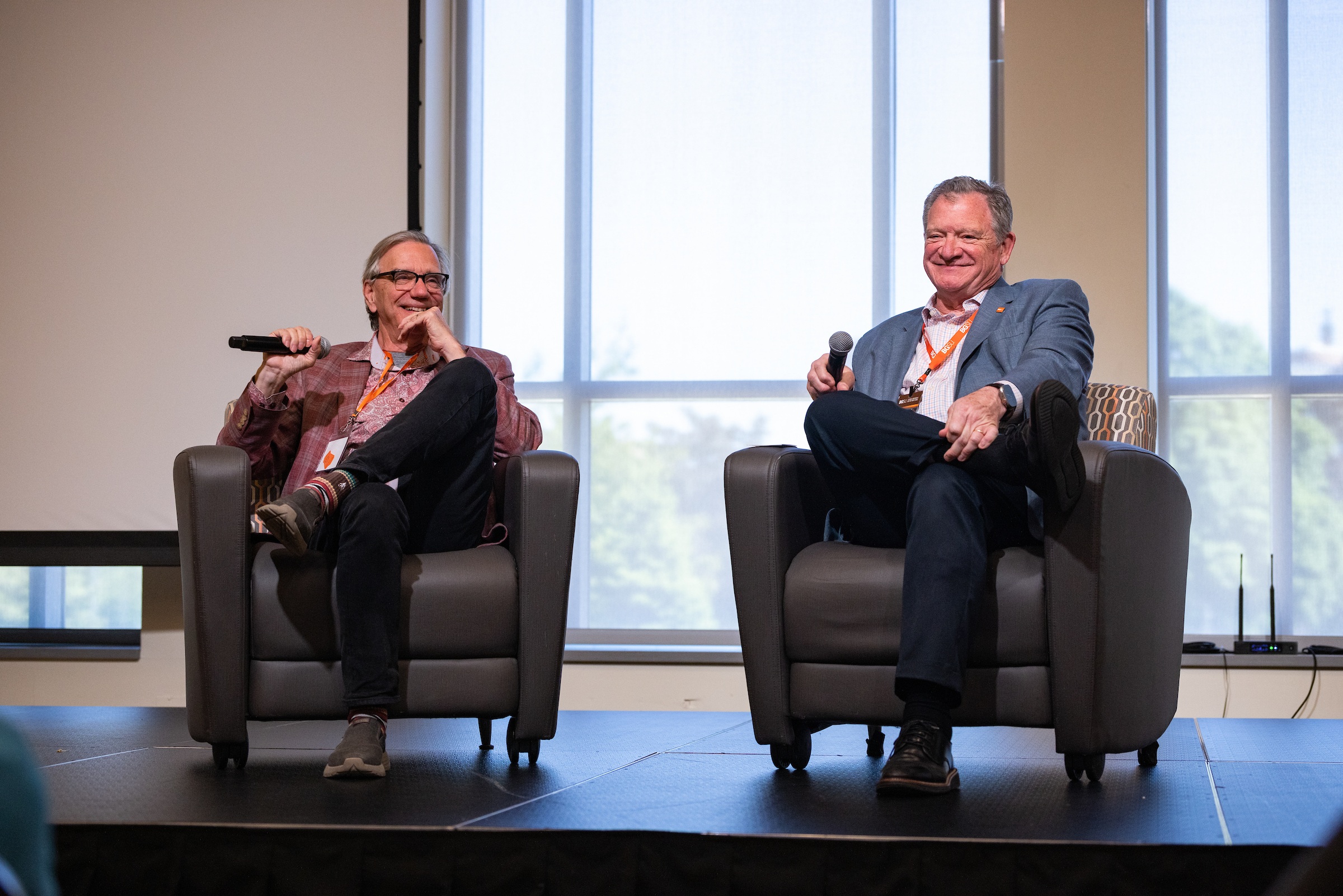
Bill Burnett speaks on stage alongside BGSU President Rodney K. Rogers
The event drew higher education leaders from across the world, including Bill Burnett, co-founder of the Stanford University Life Design Lab and New York Times bestselling author. (BGSU photo/Craig Bell)
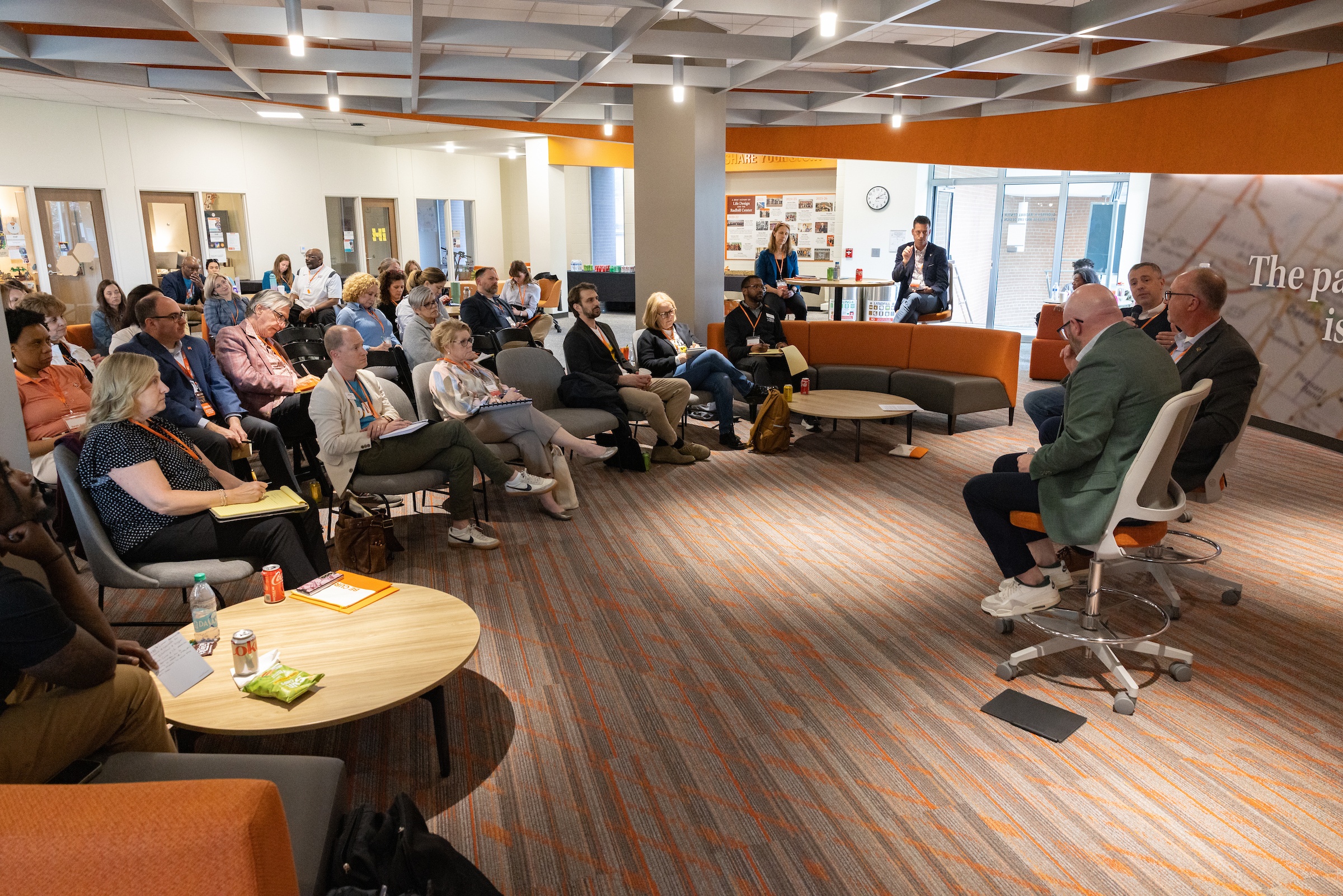
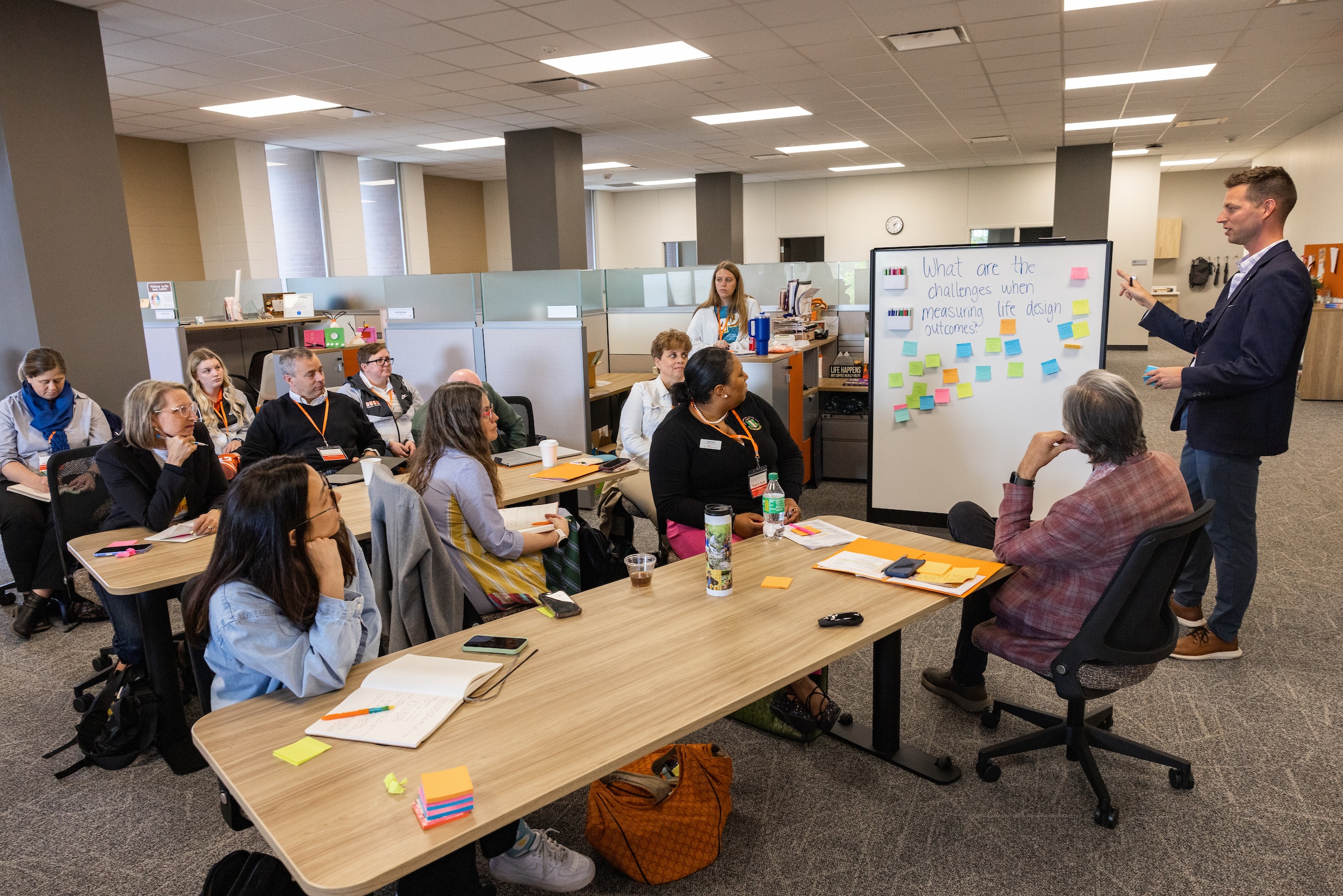
People learn in a breakout session during the Life Design Convening
Attendees participated in breakout sessions throughout the two-day event, focused on integrating life design and its application across settings. (BGSU photo/Craig Bell)
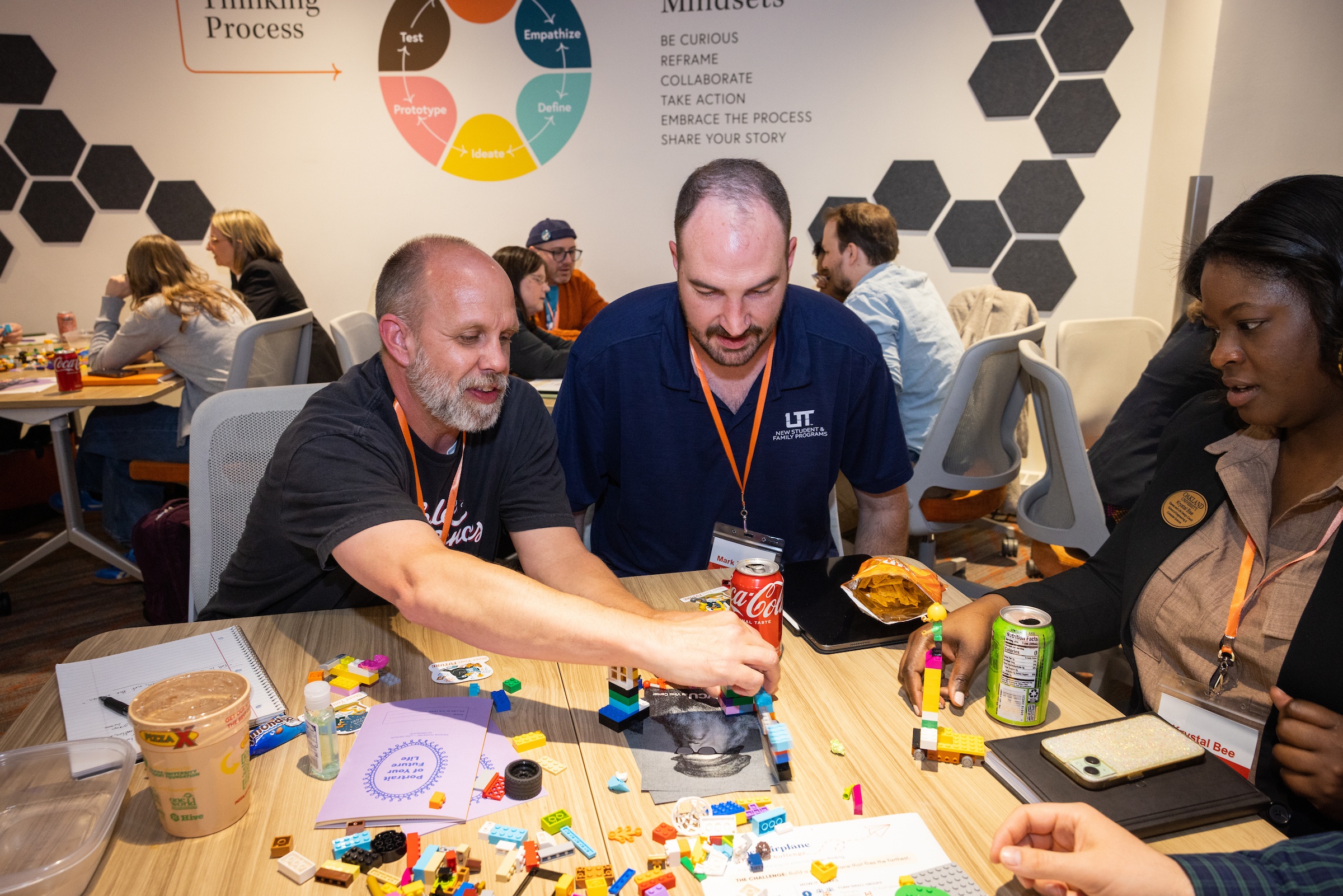
Two people solve a challenge using Legos.
In addition to presentations and breakout sessions, educators engaged in hands-on activities throughout the event. (BGSU photo/Craig Bell)

Bill Burnett, co-founder of the Stanford University Life Design Lab and New York Times bestselling author, was among the more than 120 higher education leaders who attended the convening.

In early 2020, Burnett hosted a three-day life design training with BGSU faculty and staff members that helped lay the foundation for the University’s current program. Reflecting on that experience, Burnett said he recognized Bowling Green’s potential to scale the initiative successfully.

“From the beginning, Bowling Green had the right people to make this program a success,” Burnett said. “This kind of instruction is deeply human-centered and requires a real institutional commitment. You’re not delivering lectures; you’re delivering design challenges. The growth and evolution of Bowling Green’s Life Design program have been remarkable. I’ve never seen a university scale this work at this level before.

“To now see 27 colleges and universities gathered at the nation’s first-ever Life Design Convening at Bowling Green is a testament to their strong leadership in this space.”
The convening drew institutions ranging from flagship public universities to Ivy League and private colleges, reflecting growing national interest in transforming the educational experience.

Several people present to a room of people
Leaders from several institutions led presentations on a range of topics, including holistic student development, career integration and institutional buy-in. (BGSU photo/Craig Bell)
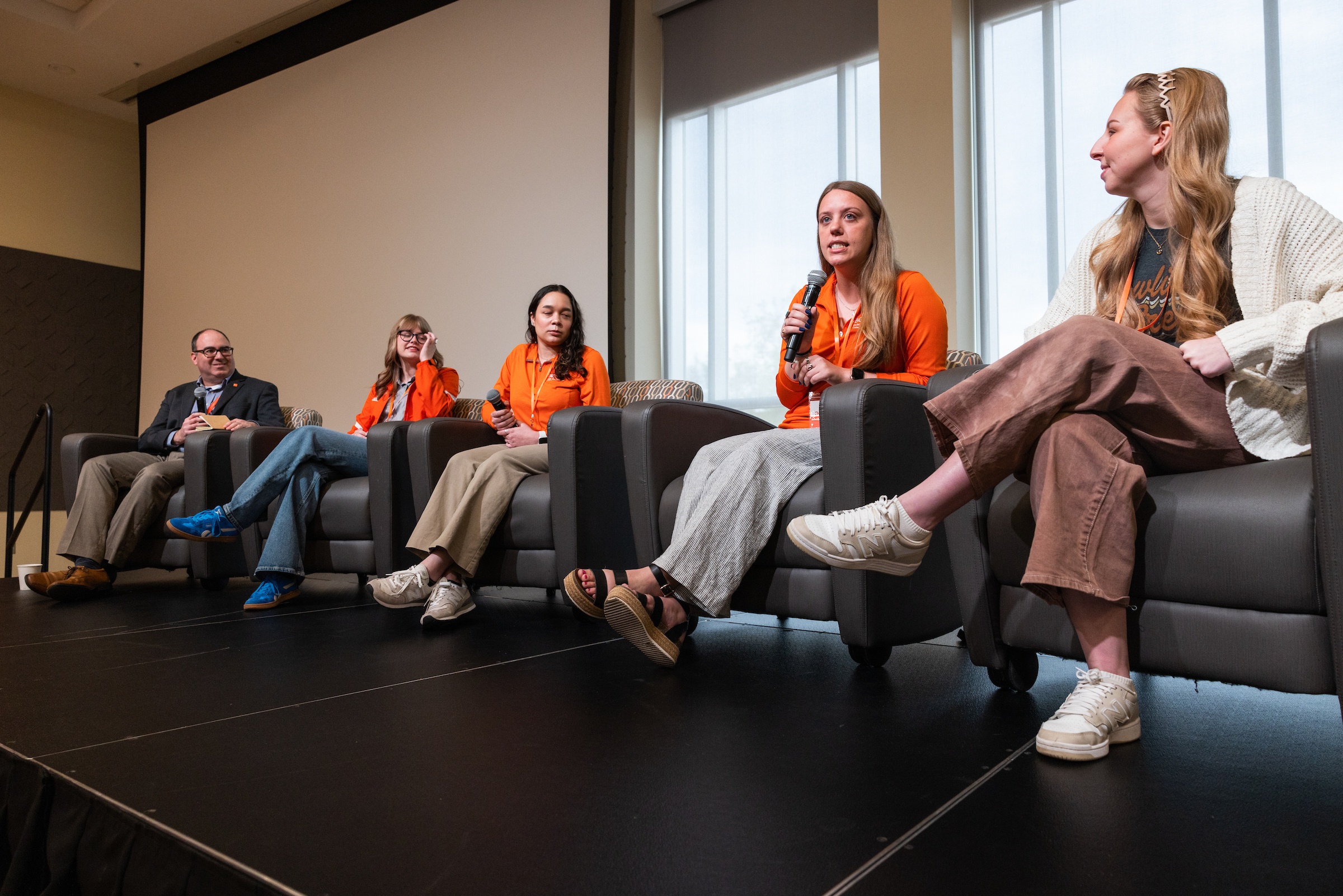
A panel of students presents on stage
A panel of BGSU Life Design ambassadors shared their experience in the program. (BGSU photo/Craig Bell)
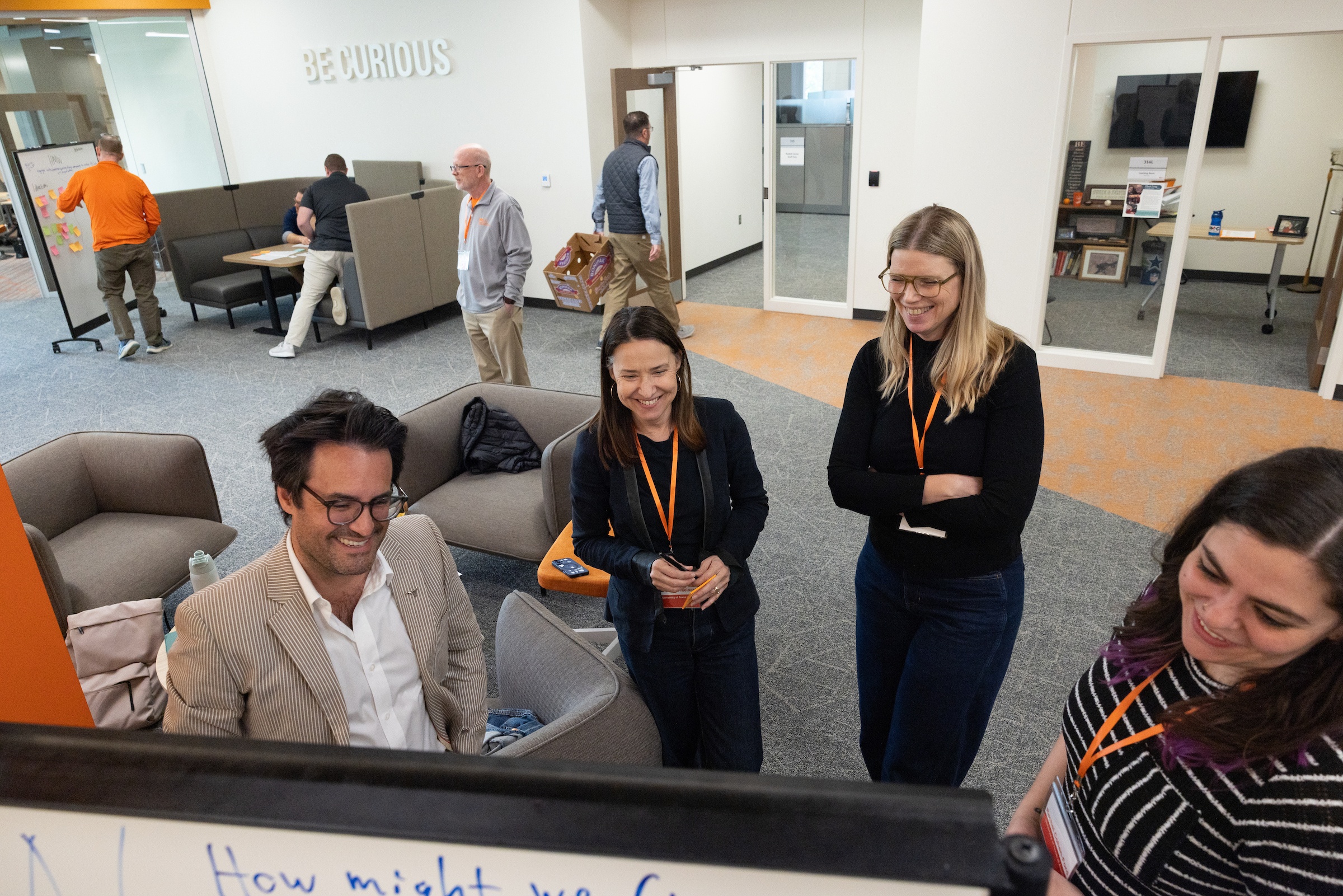
Several people stand near a whiteboard.
Participants exchanged ideas on how to continue redefining student success through life design. (BGSU photo/Craig Bell)

Educators – both those already scaling the program across their institutions and those just getting started – learned, collaborated and exchanged ideas on how to implement life design frameworks to support student success and career readiness. 

Institutions, including Dartmouth College, Oakland University, University of Texas-Austin, Virginia Commonwealth University and others, led presentations on a range of topics, ensuring attendees heard varying perspectives on integrating life design and its application across settings.

The sessions ranged from holistic student development to career integration and institutional buy-in, underscoring the very crux of Life Design – that student success requires more than academic instruction; it requires an understanding of how to navigate uncertainty and the ability to define purpose and career direction with intention.

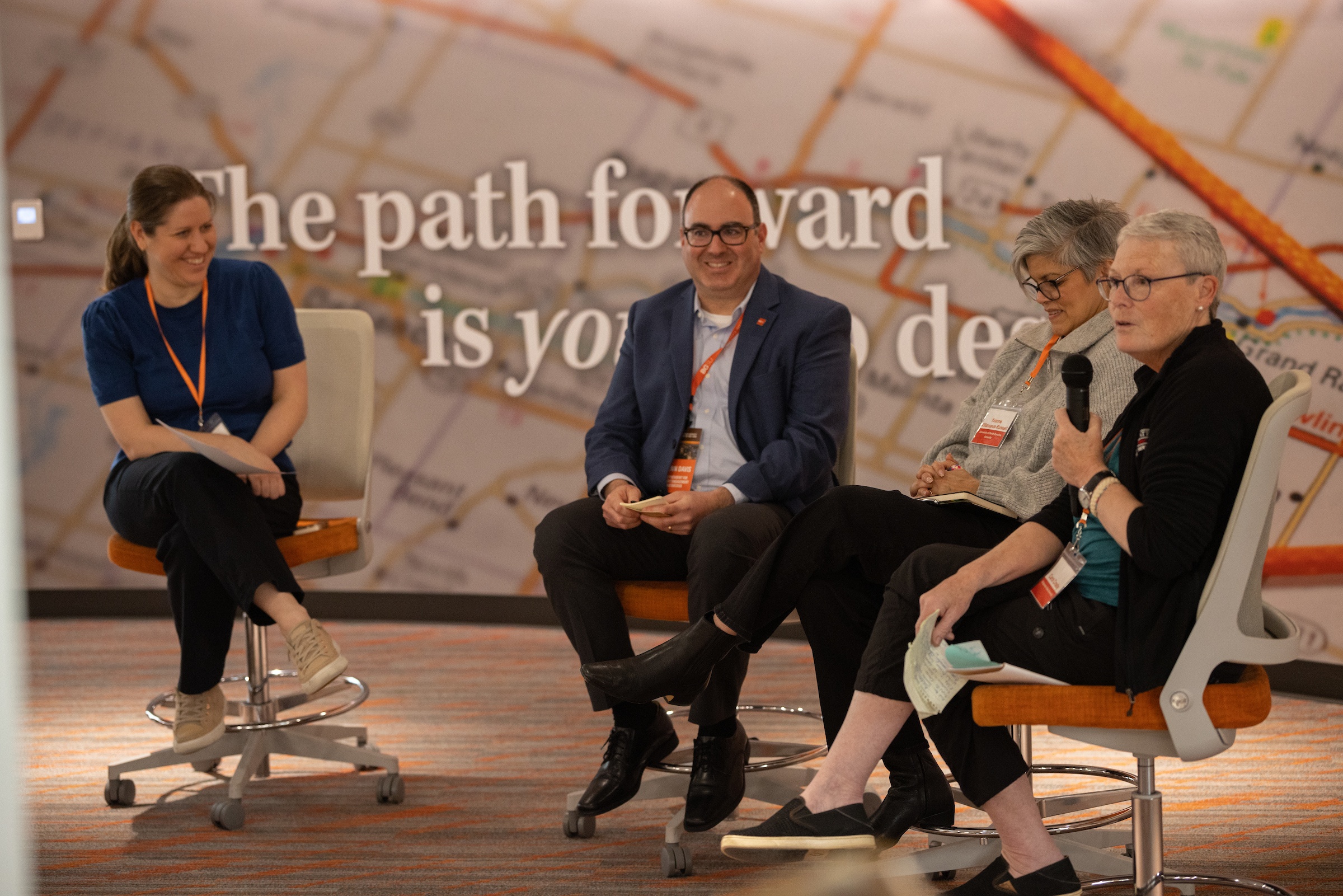
Four people present at the front of a room
Adrienne Ausdenmoore, associate vice president and executive director of the Geoffrey H. Radbill Center for College and Life Design, leads a panel during the event. (BGSU photo/Craig Bell)
BGSU President Rodney K. Rogers and Bill Burnett speak to a crowd of people
The first-ever Life Design Convening at Bowling Green drew institutions from across the world, including flagship public universities, Ivy League and private colleges. (BGSU photo/Craig Bell)
“As the Life Design community continues to grow across the country, Bowling Green is proud to help lead conversations on how we can continue to reshape the student experience and better prepare students for meaningful success,” said Adrienne Ausdenmoore, associate vice president and executive director of the Geoffrey H. Radbill Center for College and Life Design. “The inaugural Life Design Convening was incredibly energizing, and we’re excited to continue working collaboratively to help students build confidence, navigate uncertainty and create meaningful lives and careers with intention and purpose.”

Bowling Green’s Life Design program is anchored by two centers funded by private philanthropy – the Geoffrey H. Radbill Center for the College of Life Design and the Michael and Sara Kuhlin Hub for Career Design and Connections, providing opportunities to scale the program across the University.

Through the Radbill Center, students individually connect with Life Design coaches for academic and personal support throughout all stages of their college career.

The Kuhlin Career Hub helps students make key introductions to the University’s robust network of industry partners and alumni that lead to mentorship, co-ops, internships and fulfilling career opportunities, even beyond graduation.

As artificial intelligence continues to reshape education and the workforce, Life Design is playing a critical role in helping students develop the durable skills employers increasingly value, including collaboration, critical thinking, creativity and problem-solving.
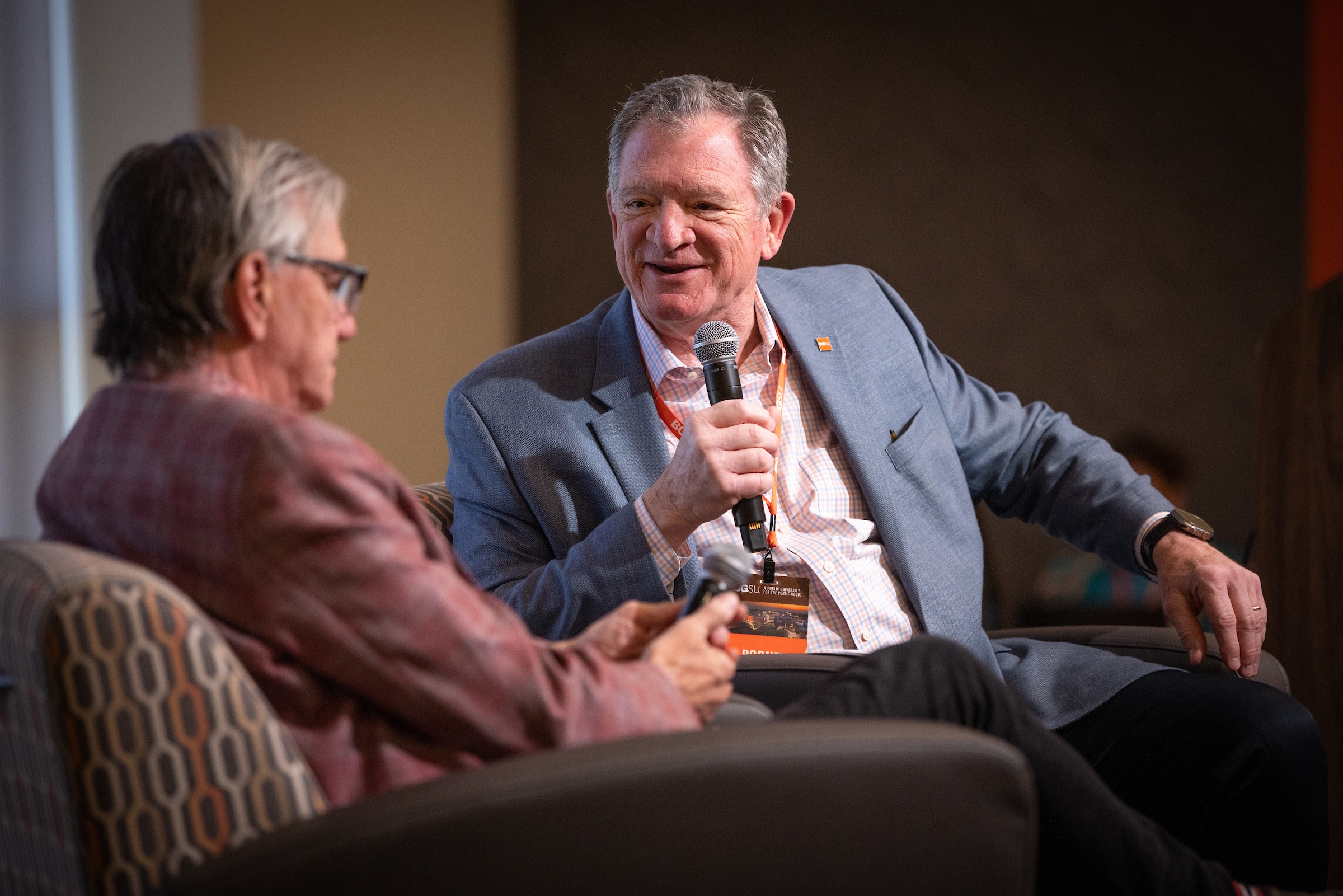

President Rodney K. Rogers speaks during the Life Design Convening at BGSU
BGSU President Rodney K. Rogers' decision to develop a Life Design program at Bowling Green has transformed the undergraduate student experience at the University. (BGSU photo/Craig Bell)

Related Stories

Media Contact | Michael Bratton | mbratto@bgsu.edu | 419-372-6349

Updated: 05/27/2026 09:03AM