
From Bowling Green to the far side of the moon: BGSU alumnus Matthew Burmeister plays key role in Artemis II success
Estimated Reading Time:
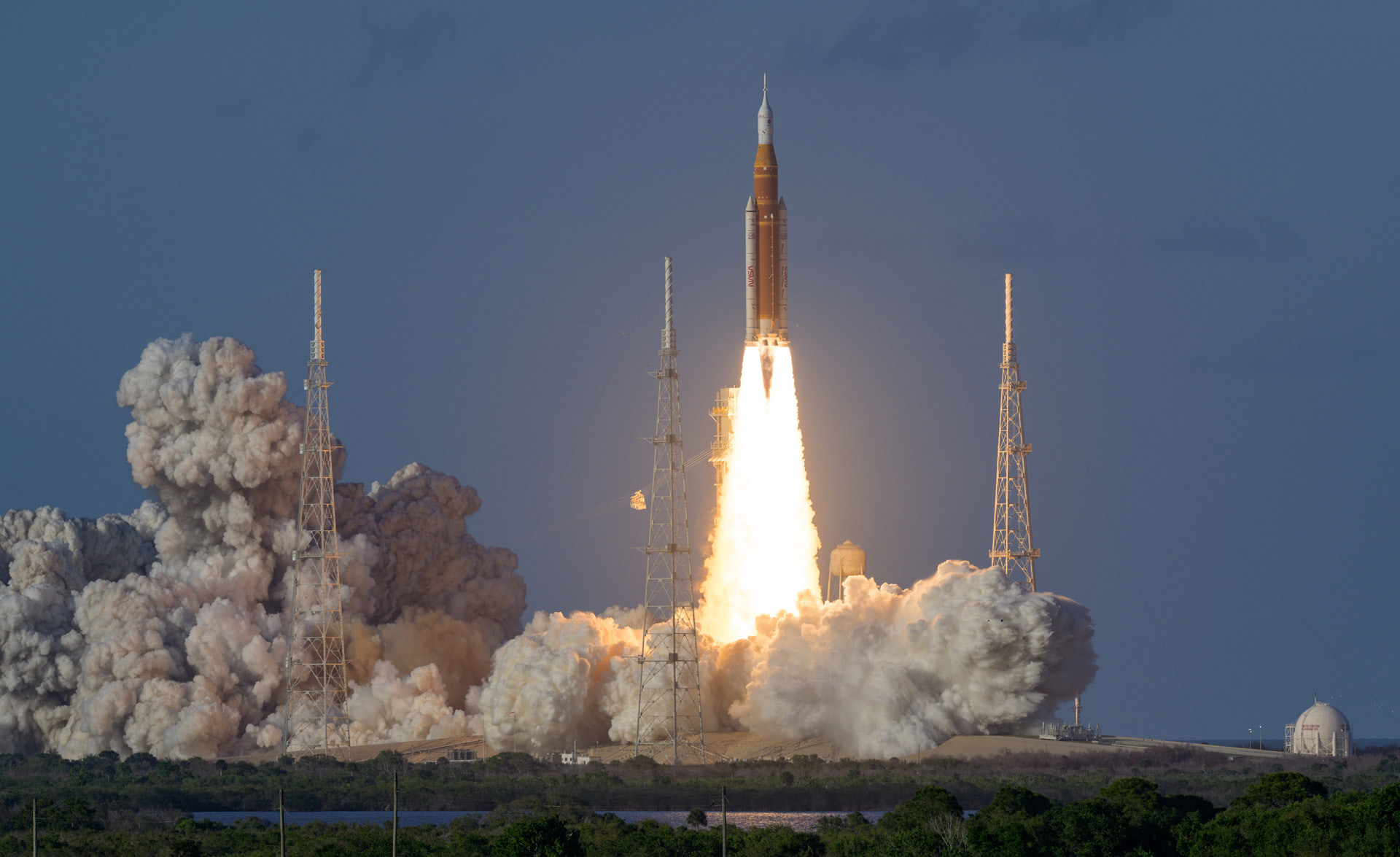
Serving as the Spaceport Command and Control System (SCCS) hardware lead, Burmeister was responsible for the ground equipment that powered the Space Launch System (SLS) rocket and Orion spacecraft off the pad on April 1
By Branden Ferguson
As the world watched the NASA Orion spacecraft hurtle toward a Pacific Ocean splashdown, one Bowling Green State University alumnus was watching with a unique sense of ownership.
Matthew Burmeister ’19, a native of Huron, Ohio, was at the heart of the historic Artemis II mission – the first crewed lunar flyby in more than half a century. Serving as the Spaceport Command and Control System (SCCS) hardware lead, Burmeister was responsible for the ground equipment that powered the Space Launch System (SLS) rocket and Orion spacecraft off the pad on April 1.
While the mission continues to dominate global headlines, for Burmeister, the journey began years ago.
“I started working for NASA in 2019 – before Artemis I and well before the launch of Artemis II,” said Burmeister, who is based at the Kennedy Space Center in Florida. “It feels like we’ve been working up to this moment for so long that sometimes I can’t even believe something I personally worked on finally happened. There’s a huge sense of relief and pride on a successful first launch, but we’re already looking at the next mission.”
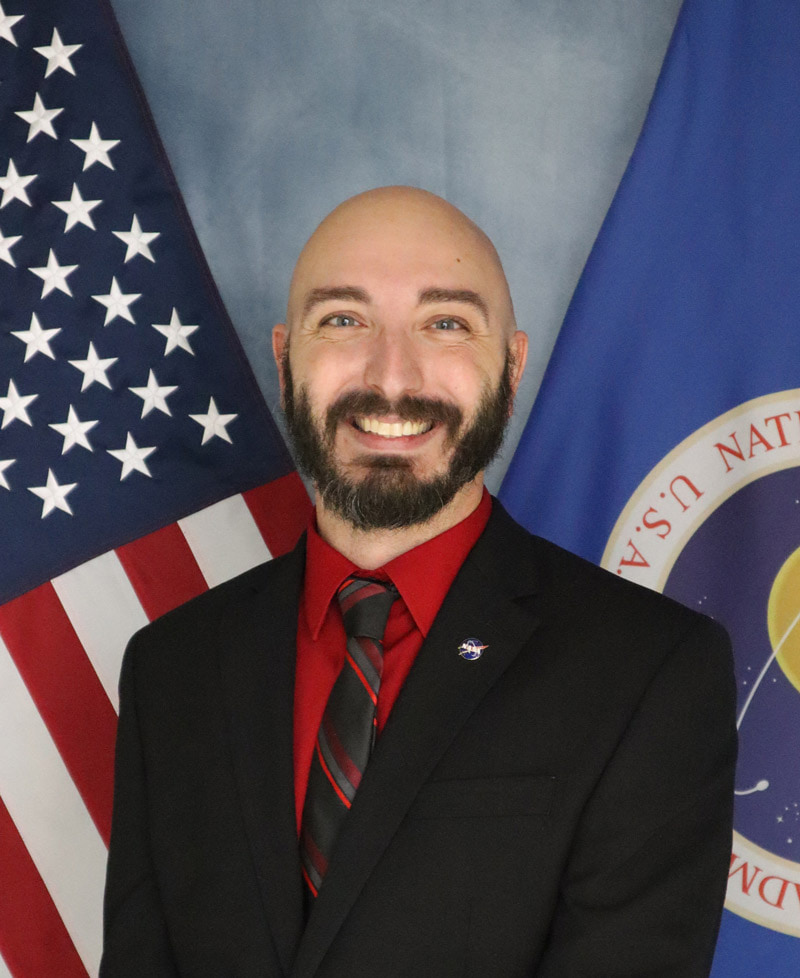
Burmeister’s path to the stars wasn't a straight line. A U.S. Marine Corps veteran, he served as a computer and electronics technician before returning to his hometown of Huron, Ohio, to attend BGSU Firelands. After earning his associate degree, he transitioned to the Bowling Green main campus to pursue a bachelor’s degree in electronics engineering technology – a move he credits as the catalyst for his career.
“Getting my BS from BGSU set me up for success in various ways,” Burmeister said. “Without it, I would have never gotten my internship at NASA’s Johnson Space Center, discovered the NASA Pathways program or landed a position at the Kennedy Space Center.”
Despite his technical expertise, Burmeister admitted that the "imposter syndrome" was real. He initially felt that a career at NASA was an unreachable dream.
Burmeister is quick to credit the faculty at BGSU who refused to let him settle and his wife, Sarah, for encouraging him to apply.
“Without support from Dr. Philip Weinsier, Dr. Gary Border and my wife, Sarah, I wouldn’t be where I am today,” Burmeister said. “I applied and interviewed for dozens of NASA internships that didn’t work out. Their constant encouragement led to someone at NASA finally giving me a chance.”
Now, Burmeister is paying it forward. He has taken on the role of an internship mentor, guiding the next generation of engineers – potentially from his own alma mater – to find their place in the space program.
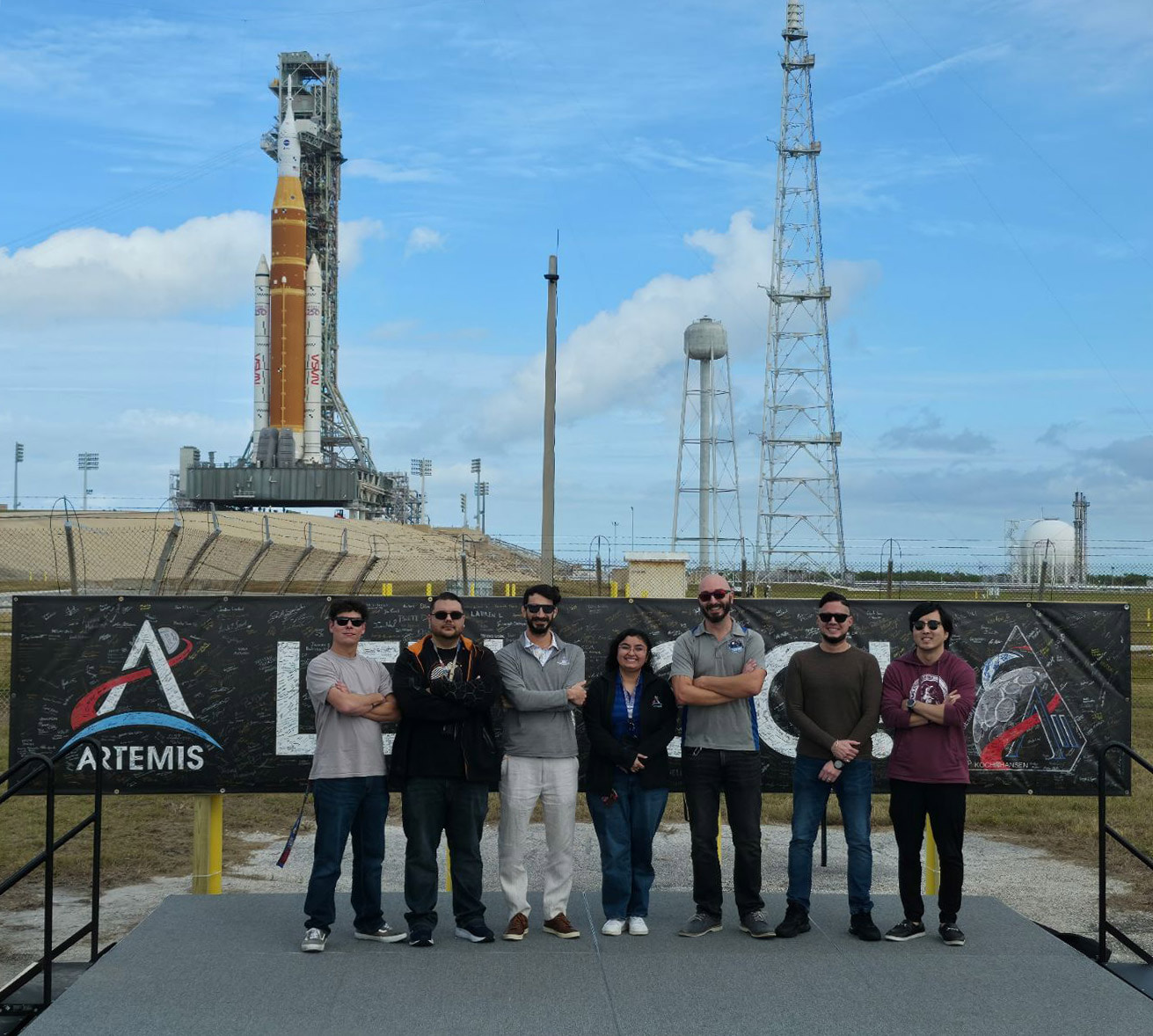
While the Artemis II crew is back on Earth and reminiscing about their journey, Burmeister’s work is already shifting toward the next giant leap.
“We have already started planning Artemis III hardware modifications and discussing what is needed for Artemis IV,” Burmeister said. “We are also looking at ways to support a quicker launch cadence overall.”
For this Falcon alumnus, the mission didn't end at splashdown; it was just the beginning of a new era of exploration.
Related Stories

Media Contact
Michael Bratton | mbratto@bgsu.edu | 419-372-6349
Updated: 07/01/2026 06:22PM