
Jenjira Yahirun
In Conversation with...
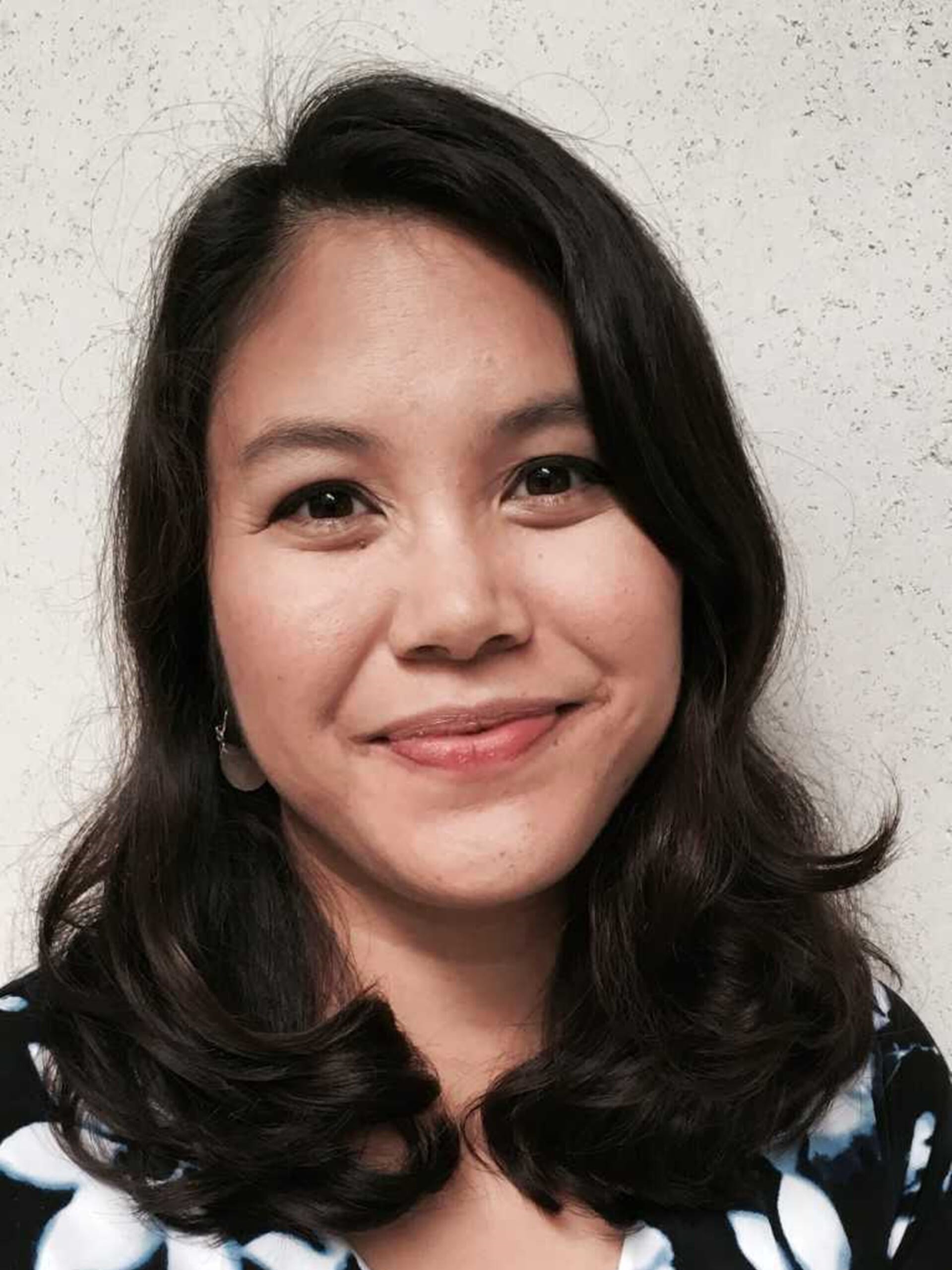
Dr. Jenjira Yahirun
CAF affiliate, CAF Internal Executive Committee member, and BGSU faculty member
We spoke with Dr. Yahirun about her research on family relationships, migration, and health across the life course, as well as the role these factors play in healthy aging and health disparities.
Describe your primary research interests in a few sentences.
My research focuses on how the family, as a social institution, contributes to inequalities in health and well-being over the life course. I investigate three major themes: 1) how family relationships shape individual health outcomes, 2) the effects of migration on parent-child relationships, and 3) how increasing family diversity challenges the effectiveness of the family safety net. I use quantitative and demographic methods in my work, which draws on U.S. and international survey data to examine family patterns across contexts.
The Center for Aging Families aims to advance research on: (1) the changing demography of aging families, (2) aging family health, and (3) health disparities in family aging. Which theme or themes best capture your aging families research, and how does your work fit within them?
For decades, social science research has documented the socioeconomic gradient in health: individuals with more income, education, and wealth live longer and are generally healthier than those with fewer resources. My recent NIA-funded research moves beyond this individual paradigm to investigate the extent to which one’s health depends on the resources of other family members. I address this question in the context of population aging, asking how the resources of adult offspring influence parents’ health in later life. In this way, my scholarship connects to the CAF’s primary research areas in (1) Aging Families, Health, and Well-Being and (2) Health Disparities in Aging Families.
Tell us about an ongoing project on aging families you are excited about.
I am working on a new project that examines variation in and correlates of kin availability among immigrant and non-immigrant older adults in the U.S. and Sweden. Both the U.S. and Sweden are aging populations with large shares of immigrants, but social scientists in both contexts have only recently started to examine the aging of the foreign-born population itself. This project will provide a much-needed foundation for understanding kin availability for these growing populations.
Are you engaged in any collaborative research on aging families? If so, briefly describe the project and share what you see as the greatest benefits of collaboration.
Nearly all my projects are collaborative. I especially enjoy interdisciplinary collaborations with colleagues outside of Sociology. A recent collaborative project involves working with economists to examine the causal effects of public policies on mid-life health outcomes. This project is both interdisciplinary and international, with a team of scholars across four different time zones! The best part has been learning new methods and brainstorming ideas with smart people.
How do you see the field of aging family research evolving over the next decade?
I am interested to see how the field of aging family research continues to evolve to include more attention to family diversity (i.e., step and non-marital relationships among older adults), and more attention to diverse populations (e.g. immigrant families, LGB families). Understanding the experiences of mid-life and older adults in these diverse family forms and groups is needed for a fuller grasp of later life.
Updated: 07/27/2026 07:25PM