
Blast from the past: BGSU reunites alum with lost package from 1959

John Luccio '55, '59 sent for photo slides as a graduate student, which became lost in the mail until 2026
By Nick Piotrowicz
After a short holiday respite, Chris Dmytriw reported to work.
As the postmaster relief in North Blenheim, New York, Dmytriw has one of the many important, unheralded jobs at the United States Postal Service. The 2020 U.S. Census logged North Blenheim’s population at a robust 54 residents, though it rises to a few hundred during the summer months, making it one of the least-populated towns with a staffed USPS location.
Because of the town’s small stature, its post office is open for retail business just two hours per weekday, from 9 a.m. to 11 a.m., but the location serves as a key outpost in the northern Catskill Mountains, near the midway point between Oneonta and Albany.
But on May 26, the day after Memorial Day, Dmytriw came across a package that wasn’t meant for his post office. Dmytriw has his share of stories about unusual parcels – he said he once saw a postcard fashioned from a used pizza box, “pizza grease and all,” and ultimately delivered it because it had appropriate postage – but the package this May was something new entirely.
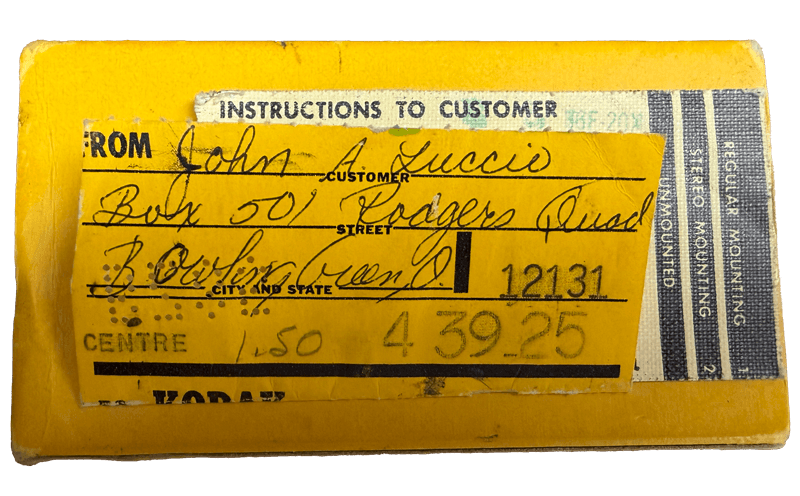
Kodak, the film company based in Rochester, New York, addressed the package to a student at Bowling Green State University, nearly 600 miles away. The package ended up in New York because of a five-digit number on the mailing label, 12131, which sorting machines interpreted as the ZIP code for North Blenheim.
That was only part of the mystery.
Markings on the envelope noted that Kodak originally sent the package in 1959.
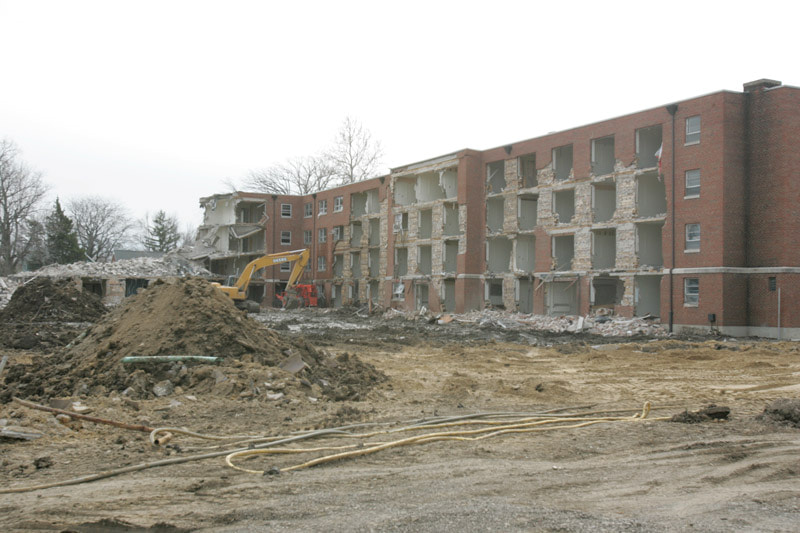
There is no mailbox at the address to which it was sent: the building was demolished in 2011.
Based on the time elapsed, the former college student for whom it was intended would be at least in their late-80s today.
Long before real-time tracking numbers became commonplace, the package somehow became lost in the ether during the Truman Administration and through some twist of fate, re-entered the mail stream in 2026.
But the envelope was still in deliverable shape, well-preserved and sealed.
“When I first found it, I took it to my supervisor and asked him, ‘Do you know what we should do about this?’ He had no idea either,” Dmytriw said.
After receiving clearance to explore another option, Dmytriw returned home, looked up the BGSU website, and found the University’s email address for alumni. He sent a message explaining the unbelievable set of circumstances and asking for help delivering the package to the former student or next of kin.
In Bowling Green, Karri Knoblauch read the email days later with a puzzled look.
An administrative assistant for alumni engagement and annual giving at BGSU, Knoblauch scanned the message several times and considered that it was another half-hearted internet ruse, like the junk-folder promises of an unknown, long-lost relative leaving a seven-figure inheritance.
“I actually thought it was spam at first,” Knoblauch said. “Those aren’t normally the types of emails we get at that address. It was just so out of place.”
As she vetted the message, Knoblauch found there was a post office in North Blenheim. Dmytriw sent the message from a legitimate USPS email address.
And, even better, she found the BGSU alumni database contained information for the original recipient. BGSU does not share alumni information outside the University, but Knoblauch told Dmytriw that she would play intermediary to see if she could help.
She called the last active number she had, an area code in Washington state, left a message and hoped for the best.
The next day, her phone rang.
A true Falcon
John Luccio drew the attention of Bowling Green coaches as a star athlete in his native Amherst, Ohio, during his high school days in the early 1950s.
As a multi-sport athlete, Luccio lettered in both track and football at BGSU. As a student, he knew Nick Miletti, for whom the University’s alumni center is named, well before Miletti became the influential owner of the Cleveland Indians and Cleveland Cavaliers. On the Falcons’ football team, Luccio played defensive halfback and quarterback, serving as the backup to future NFL player and BGSU Hall of Famer Bill Bradshaw.
As a member of the Bowling Green class of 1955, Luccio found that his undergraduate tenure coincided with an exciting time on campus. With America in the midst of its post-WWII boom, enrollment surged, and BGSU grew into the mid-sized university it still is today – big enough to have amenities, but small enough that Luccio built relationships that he still remembers fondly today at age 92.
“Everybody I knew at Bowling Green in leadership positions was just great,” Luccio said from his home in Washington. “Everybody there was so kind and so warm. Everybody at Bowling Green was supportive – all the way up and down the line.”
After earning his degree in physical education, Luccio entered the military. When he completed his service years later, Luccio worried he was too late in the summer to acquire a job for that school year. During a conversation with Raymond Whittaker, then the BGSU dean of students, a new possibility manifested: returning to the University to take the next steps into education and coaching.
“By that point, it was getting to be late August," Luccio said. "Ray Whittaker said, ‘Why don’t you stick around and get a master’s degree?’ I thought that was a great idea, so I did."
When he returned to campus, Luccio jumped back into a campus full of energy. He served as a graduate assistant in both track and football, where head football coach Doyt Perry had turned the Falcons into a powerhouse.
BGSU also had a standout track and field prospect named Bernie Casey. Before Casey became an All-American, the ninth pick in the NFL draft and a Hollywood actor, they put him under Luccio’s tutelage as an assistant coach. Still in possession of his sharp sense of humor, Luccio joked that he simply arrived at the right time – Casey was a ready-made star.
“They asked me to work with him in the hurdles,” Luccio said. “Well, shoot, I learned way more from him than he did from me.”
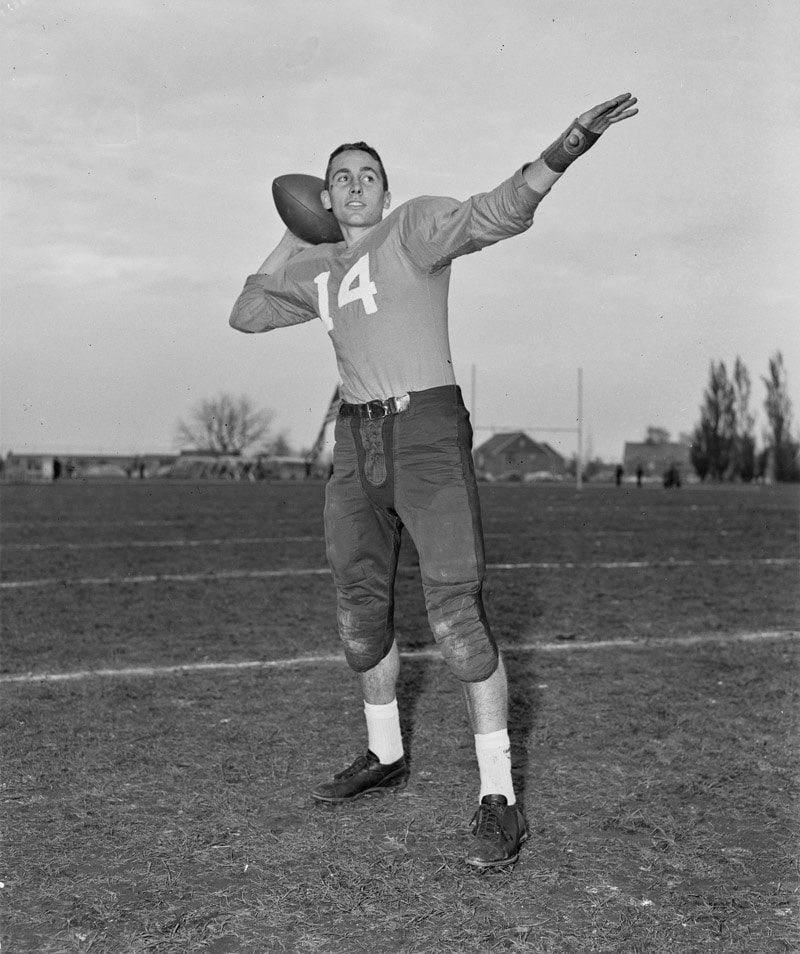
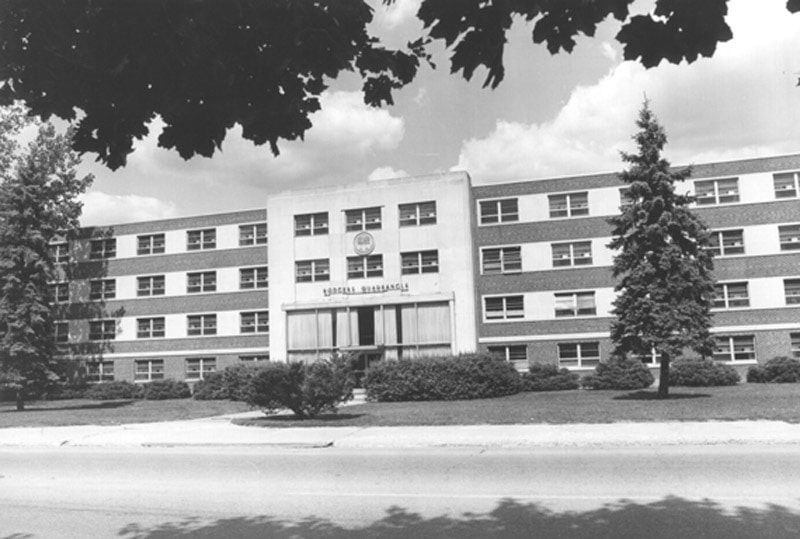
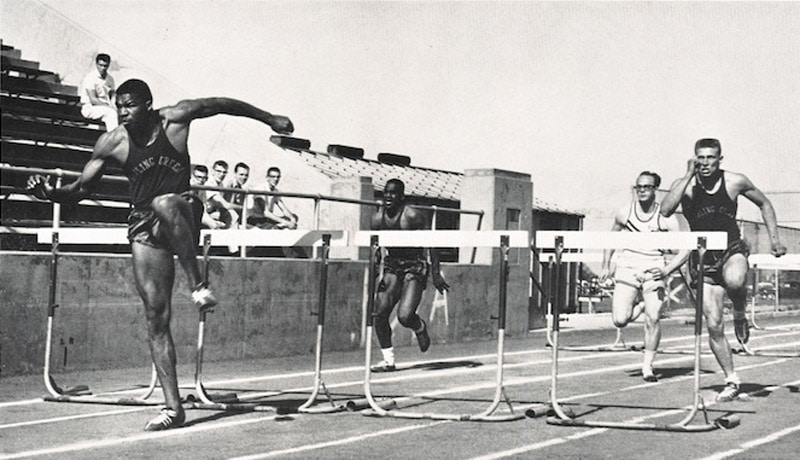
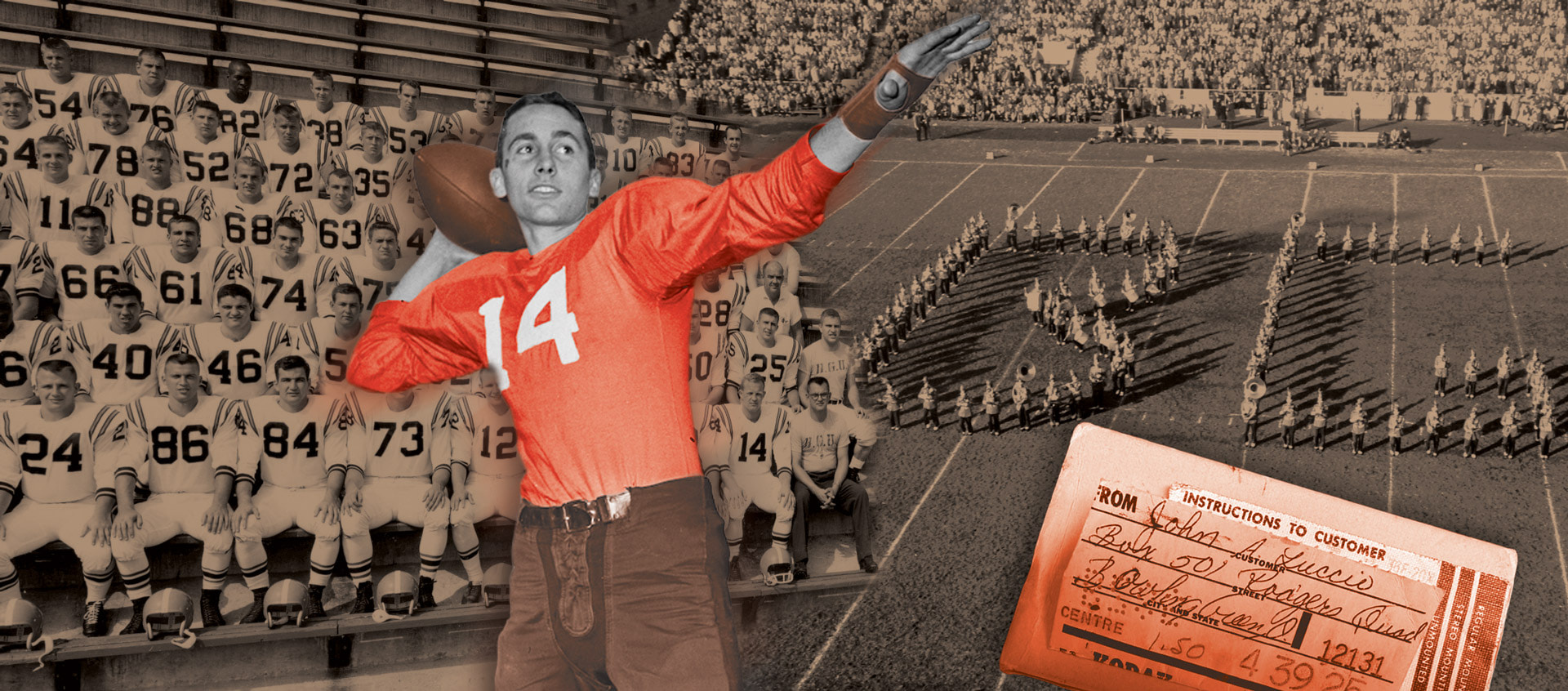
From left, John Luccio during his playing days; Rogers Quad, where Luccio lived in the late 1950s; and track All-American Bernie Casey, whom Luccio coached as a graduate assistant. (BGSU Archives)
When Knoblauch and Luccio connected by phone, she recounted the wild circumstances and asked if she could send the unintended time capsule to his home in Washington.
“He couldn’t believe it either,” Knoblauch said. “He was really excited and definitely wanted to see it.”
Knoblauch and the BGSU Alumni Engagement and Annual Giving office put together a gift basket for Luccio that included a card and BGSU-branded golf goodies for the avid sportsman.
Finally, in late June, Luccio was reunited with his mail.
In yet another twist in a saga full of them, the photo slides were mislabeled. Marked as featuring photos from Greek Week, they instead included pictures of family, a blue car, a portrait and Luccio's German Sheppard, Shadow.
“All these little slides have a label that says, ‘Greek Week,” Luccio said with a laugh. “There was nothing from Greek Week that I saw.”
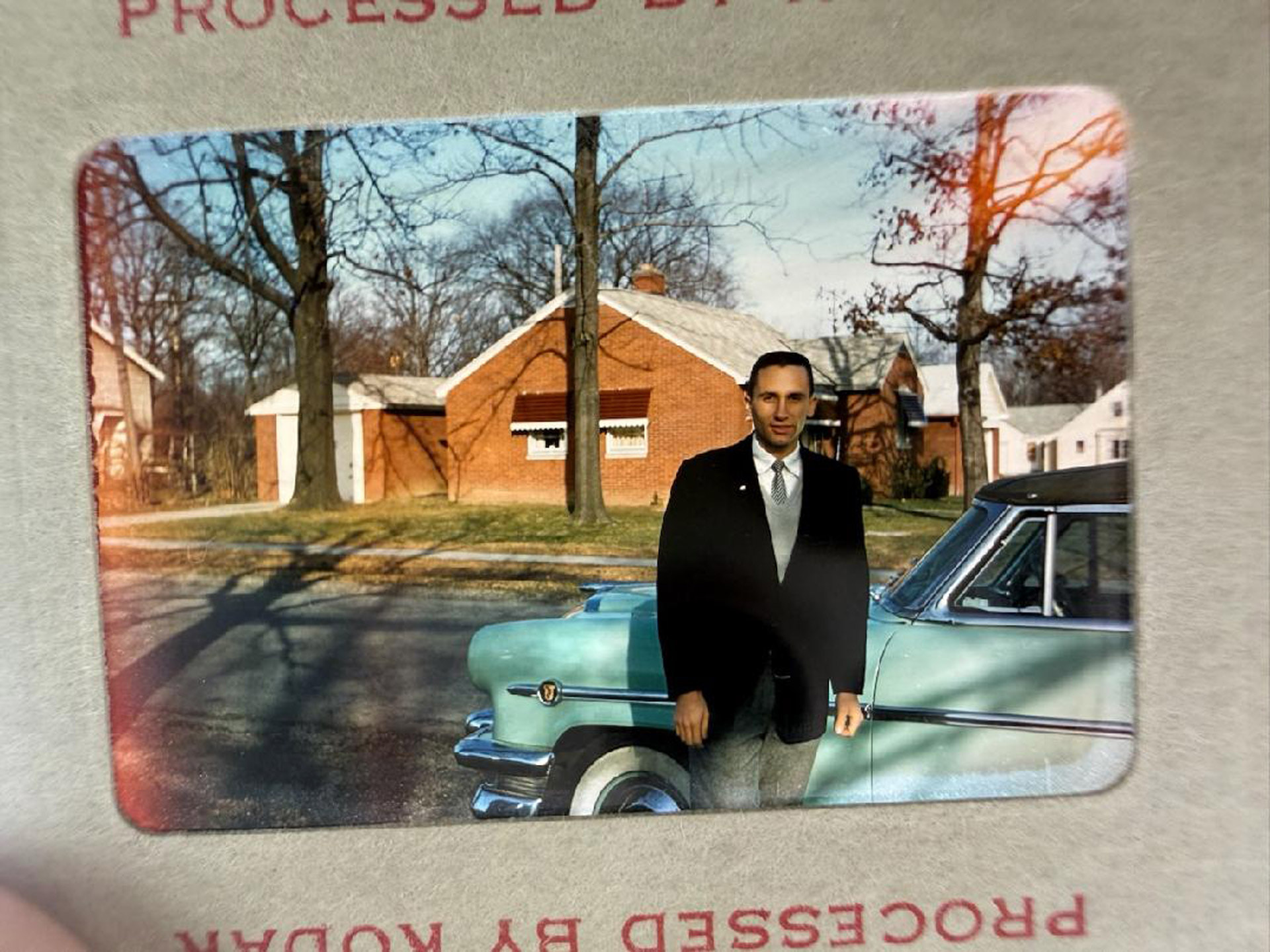
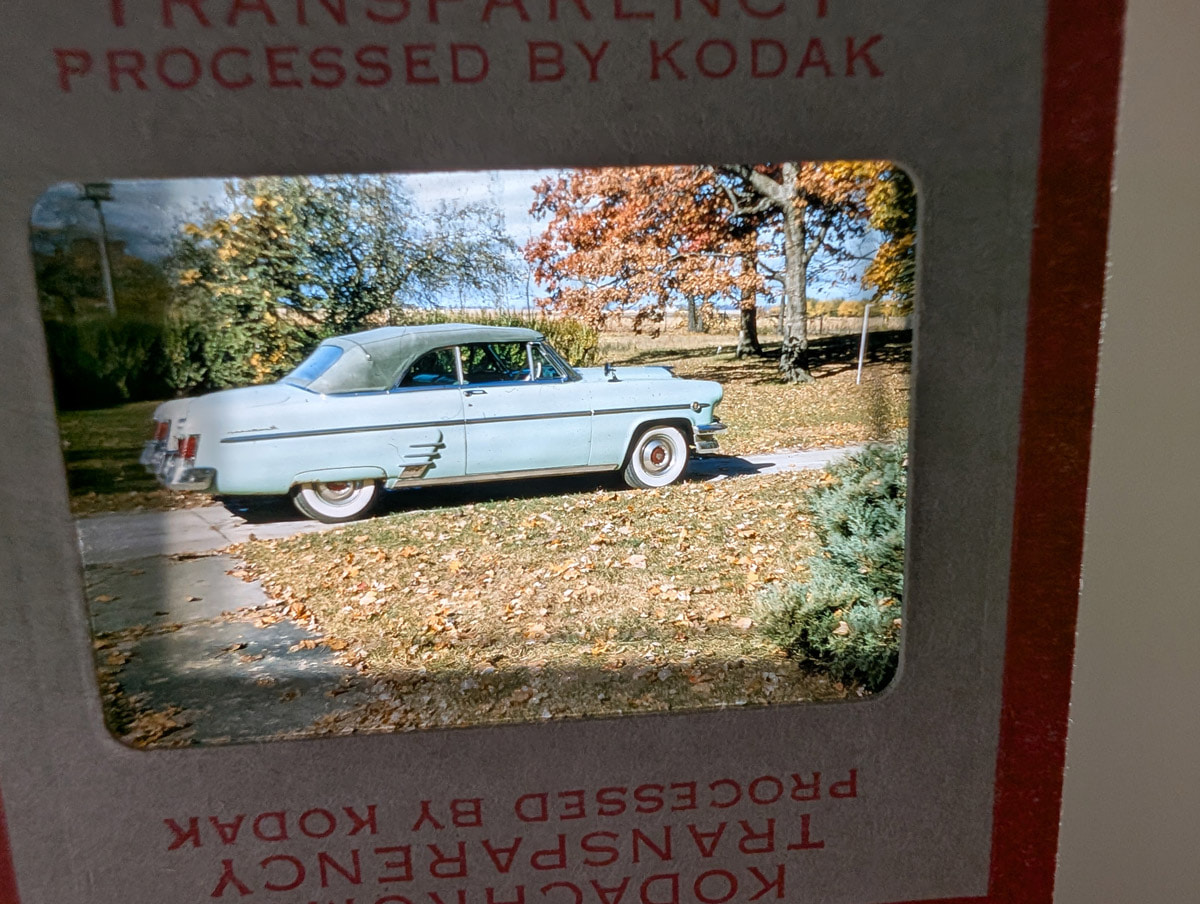
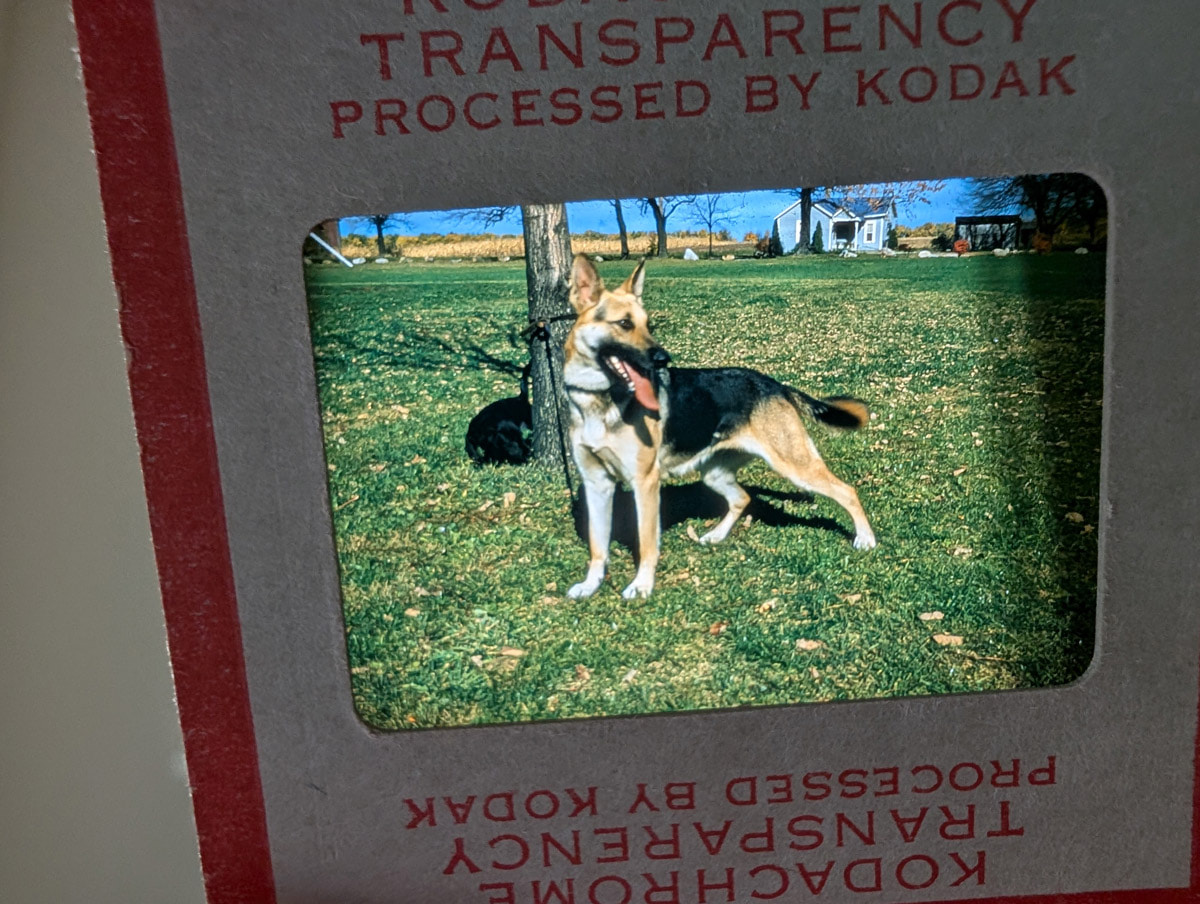
Included in John Luccio's long-lost photos were pictures of a convertible and his dog, a German Sheppard named Shadow. (Contributed photos)
Updated: 08/14/2026 01:48PM