Want an in-demand career in engineering? 5 reasons to consider robotics
Robotics engineers are in high demand, with employment expected to grow 10% over the next decade, which is faster than the average for all occupations. These careers span numerous industries, including transportation, supply chain, construction, healthcare, surveillance, advanced manufacturing and food industries, offering broad opportunities for a wide range of interests and skill sets.

Top 5 reasons to pursue a degree in robotics engineering

  1. Strong job demand – Industry experts predict a national robotics skills gap of 2.4 million workers over the next decade, ensuring vast job opportunities.
  2. High earning potential – The median salary for a robotics engineer is $117,000, according to O*NET OnLine, developed for the U.S. Department of Labor.
  3. Careers across industries – You can find a rewarding career in many fields, from medicine to manufacturing, agriculture to aerospace and education to entertainment.
  4. Live and work in Ohio – Ohio is a tech hub, ranking No. 5 nationally for robotics/mechanical engineer employment, according to the U.S. Bureau of Labor Statistics. Northwestern Ohio has the highest concentration of industrial robots in the nation.
  5. Creative problem-solving – Robotics engineers use their technical skills and creativity to develop innovative solutions that can transform industries.
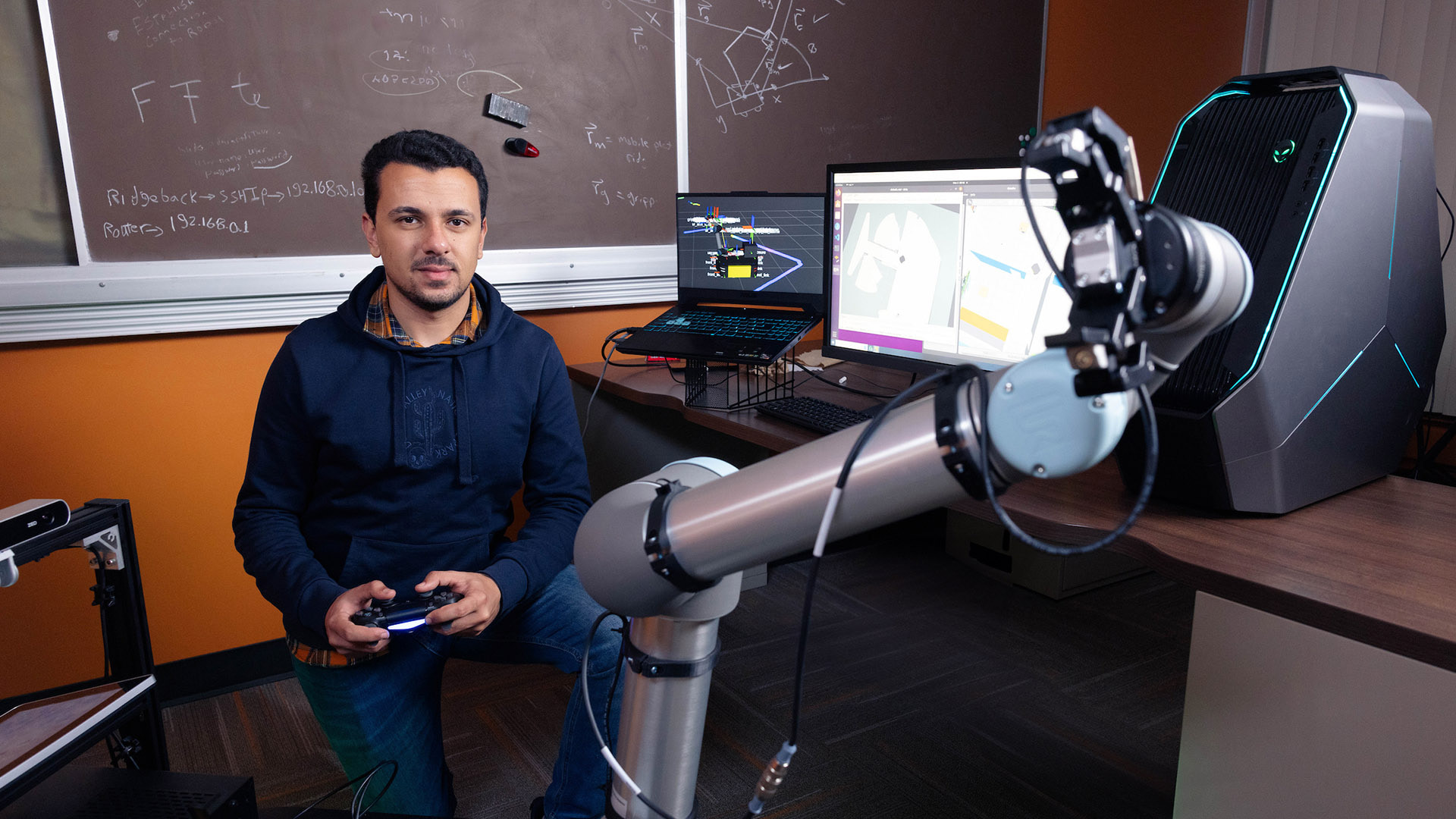
A BGSU student controls a robot

“Robotics engineers are highly sought after across numerous industries, providing you with ample opportunities to find a career path within the field that matches your interests,” said Chrisopher Kluse, Ph.D., assistant director of the School of Engineering at Bowling Green State University and former leader in the automotive manufacturing industry for over two decades. “You’re not just building machines or systems, you are developing the innovative solutions to complex problems that truly transform how industries operate. As a robotics engineer, you have the chance to lead, innovate and create meaningful change.”

What skills will I gain in a robotics engineering program?

Robot movement and design: Study how a robot moves to design efficient kinematic structures, enabling it to perform specific tasks and improve performance.

Human-robot collaboration: Learn to analyze and adjust the safe and efficient performance of robots that work alongside humans.

Robot programming: Develop the skills to set up and program robots using robot-readable code.

Smart control systems: Create systems that allow robots to adapt to changing environments and unexpected situations, optimize performance, perform complex tasks and even make decisions.

Autonomous and AI-driven robots: Use machine learning to design robots that can perceive their environment, make decisions and learn from experience.

Learn more about the BGSU robotics engineering program.
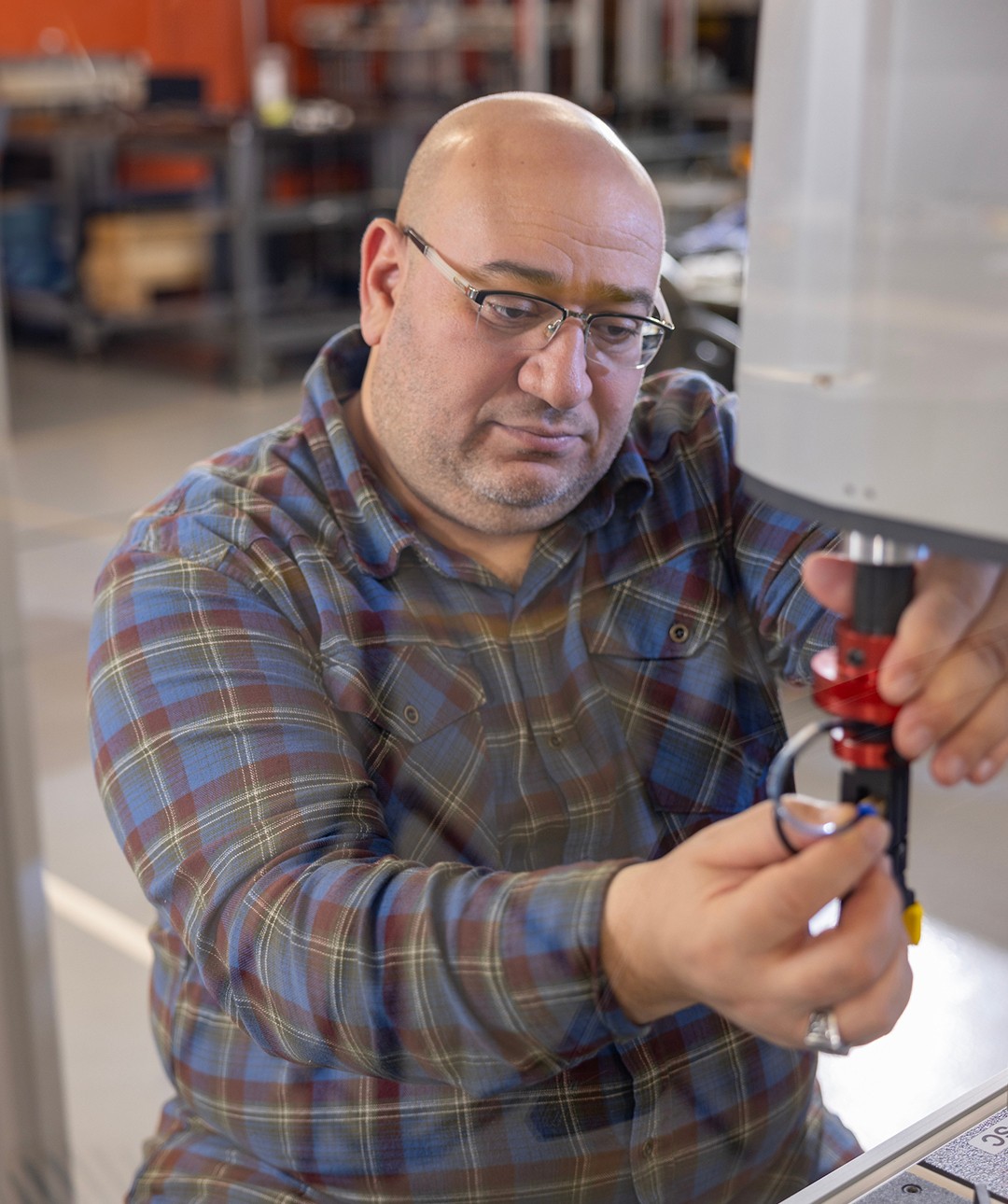
A professor works in a robotics lab at BGSU

Updated: 07/28/2026 07:53PM