Is a forensic science degree right for you?
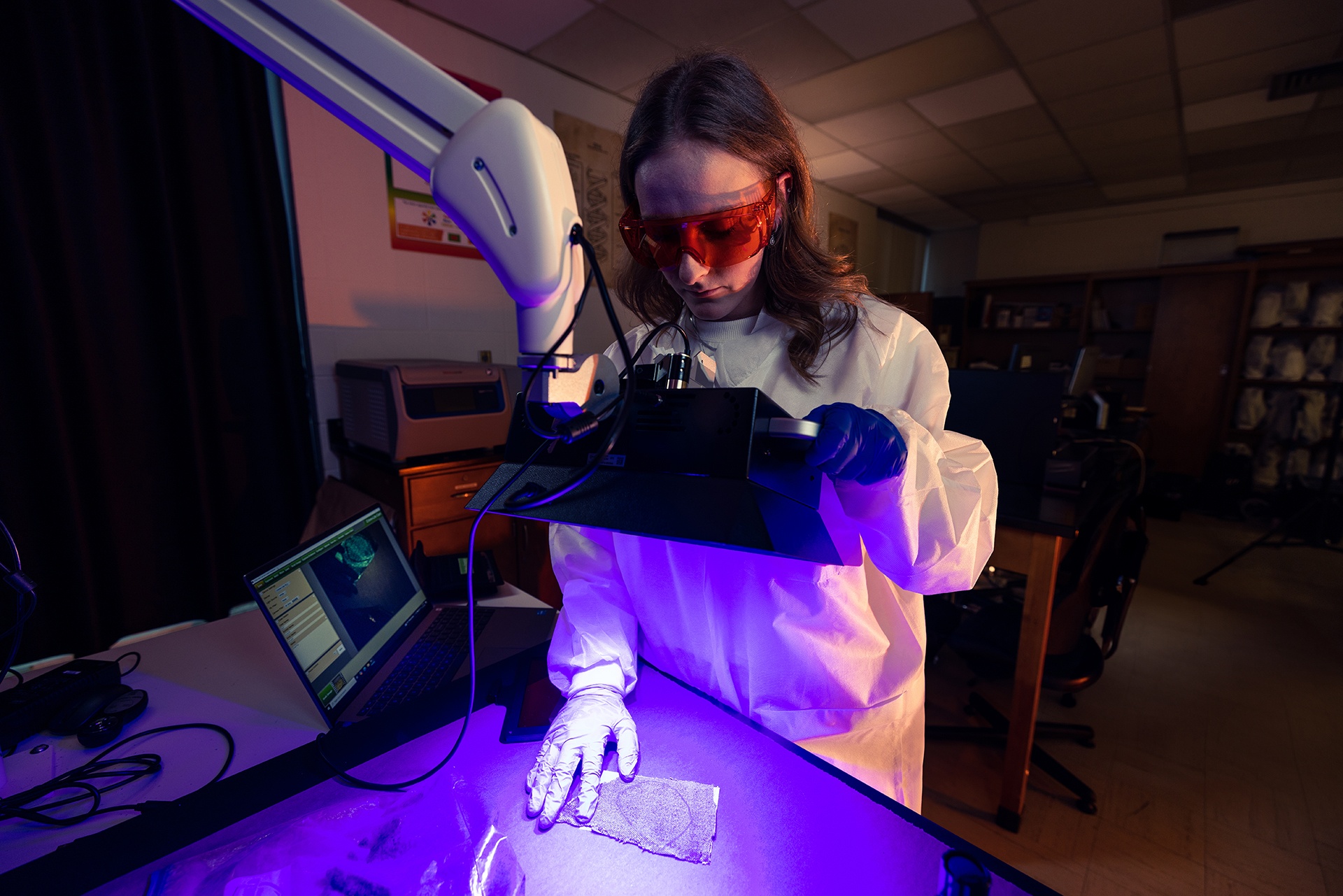
Hint: it's different from what you see on television. A forensic science degree prepares students to apply science to criminal investigations through laboratory analysis, evidence evaluation and expert reporting. Forensic science is different from criminal justice, and understanding the distinction is key to deciding if this degree is right for you.
Forensic science vs. criminal justice: What’s the difference?
While criminal justice is more public-facing and involves an all-encompassing mixture of law enforcement, legal processes and corrections, forensic science focuses on the scientific analysis of a crime, typically in a lab setting.
With an accredited program (one of only two in Ohio) and three specialties to choose from, the forensic science program at Bowling Green State University prepares students for real-world experience immediately after graduation. We dug deep to uncover the truth about a degree in forensic science – and what it could do for you.
1 What specialties can you choose in a forensic science degree at BGSU?
After taking an introduction to forensics class, students choose from one of three specialties:
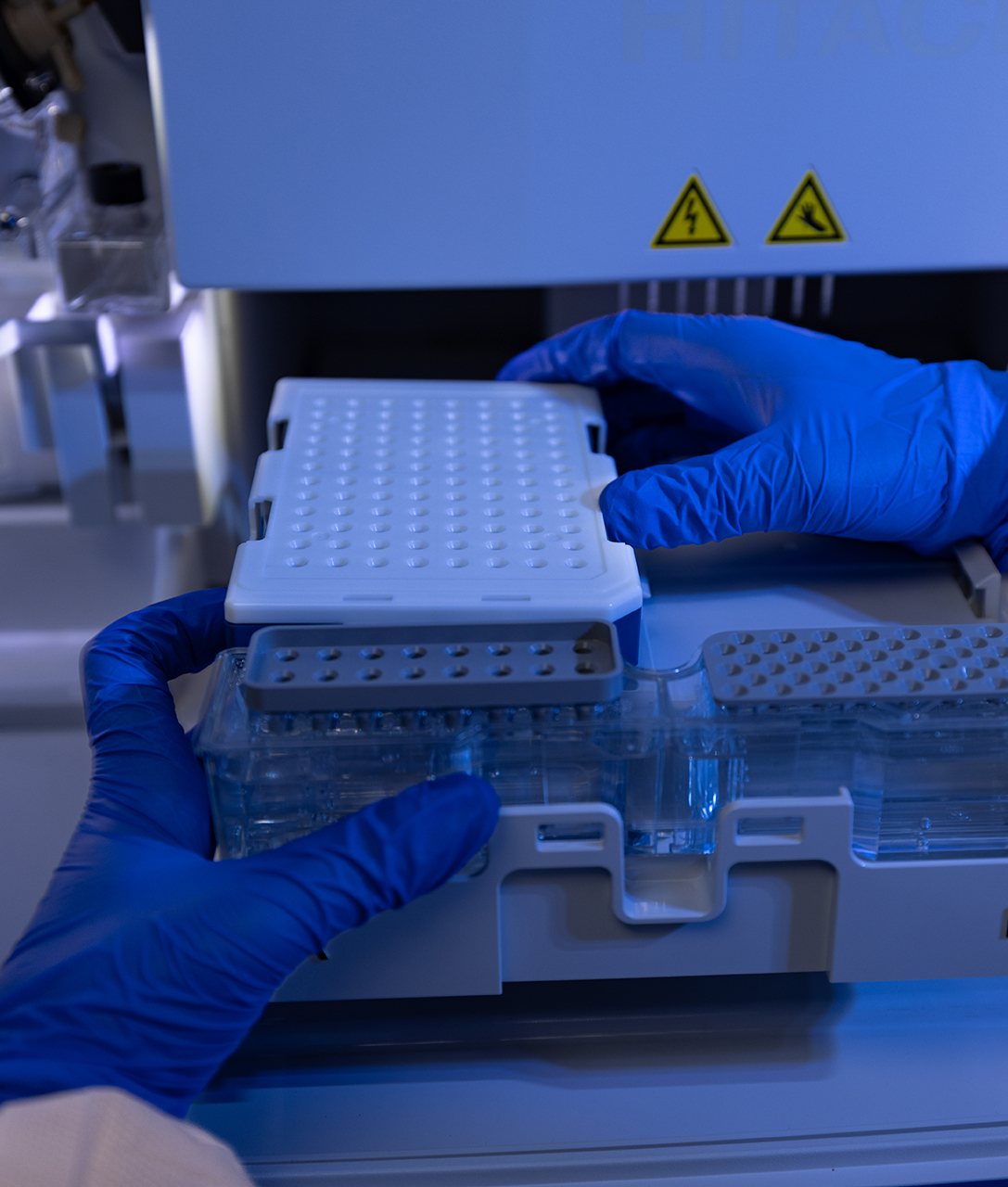
- The DNA analysis specialization involves testing biological material such as blood and other body fluids for DNA evidence.
- The drug analysis specialty preps students to identify illicit drugs or perform forensic toxicology.
- Forensic examination focuses on the analysis of trace evidence, fingerprints, firearms and bullets, shell casings, and body fluid ID and analysis.
2 What careers can you pursue with a forensic science degree?
While forensic scientists typically work in laboratory environments, careers in the field can also involve:
- crime scenes
- courtrooms
- medical examiner offices
- hospitals
- universities
- morgues
Forensic science graduates pursue roles such as DNA analysts, drug chemists, trace evidence analysts, fingerprint examiners and firearm examiners.
3 What kind of hands-on experience do forensic science students get at BGSU?
BGSU is the only university in Ohio, and one of a select few in the country, with a professional criminal investigation lab on campus.
Students train in fully equipped DNA and chemistry labs with the latest technology and have ample networking opportunities through professional organizations like the Midwestern Association of Forensic Scientists (MAFS) and the national forensic science honor society Delta Delta Epsilon.
4 What coursework and degree options are available?
Forensic science majors automatically earn a minor in chemistry, but students can also choose an additional minor to complement their studies. BGSU is also one of the few schools in the country to offer an accelerated bachelors-to-masters program for students seeking advanced credentials in less time.
5 Why does forensic science accreditation matter?
BGSU’s forensic science program is accredited by the Forensic Science Education Programs Accreditation Commission (FEPAC), making it one of only two accredited forensic science programs in Ohio. FEPAC accreditation signals to employers that graduates are trained under rigorous academic, laboratory and professional standards.
Updated: 07/28/2026 07:53PM