
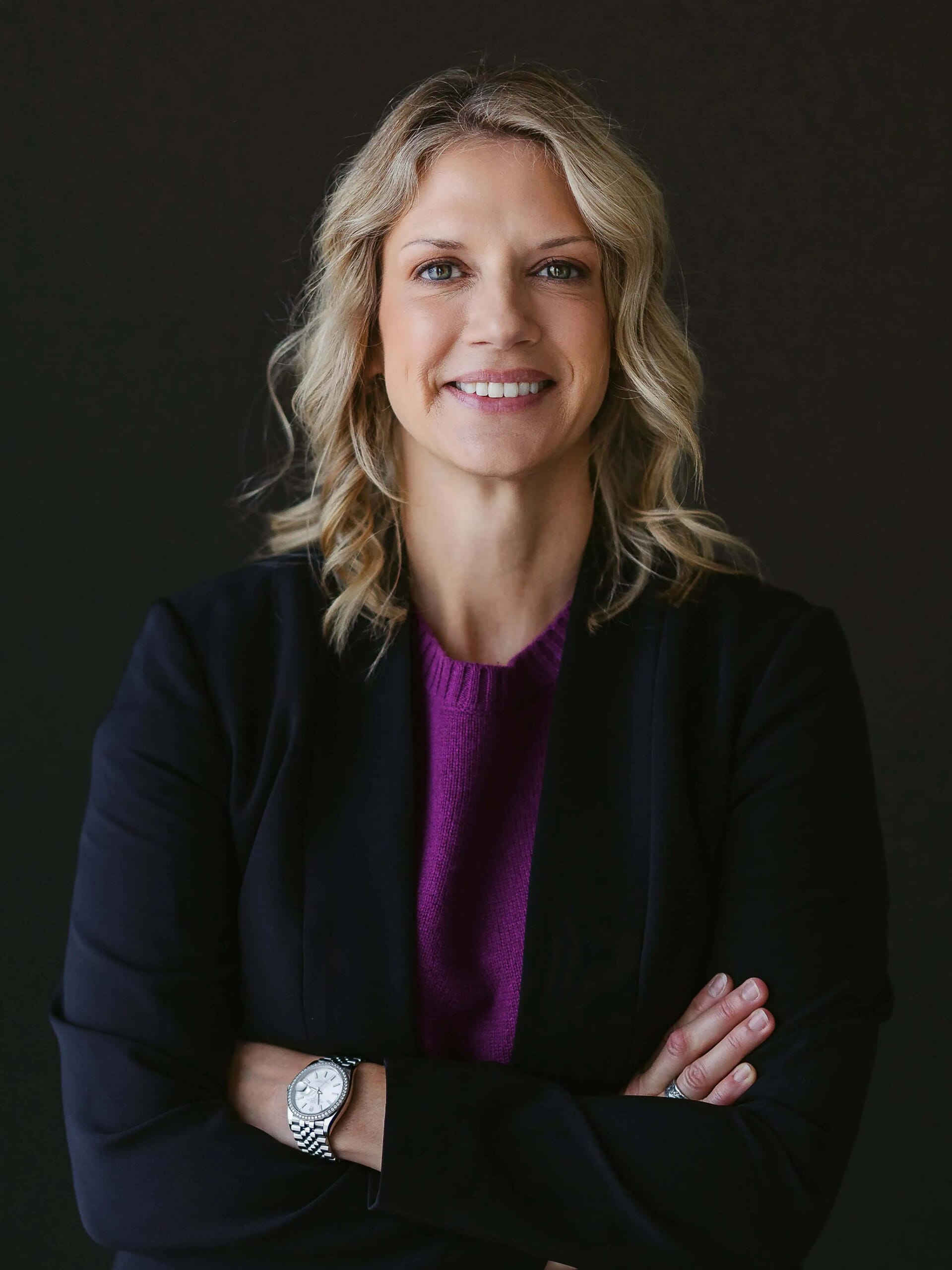
Susan South
In Conversation with...
Dr. Susan South
CAF affiliate, CAF Internal Executive Committee member, and Purdue faculty member
We spoke with Dr. South about her research on romantic relationships, social connection, and cognitive aging, as well as the role these factors play in healthy aging and dementia risk.
Describe your primary research interests in a few sentences.
I am interested in how relationships, particularly romantic relationships, impact mental health. In much of my work, I look at how marital distress impacts the presence or development of psychopathology, like depression. Most recently, I am studying how interpersonal interactions and the lack of social connection is related to poor cognitive aging and risk for dementia.
The Center for Aging Families aims to advance research on: (1) the changing demography of aging families, (2) aging family health, and (3) health disparities in family aging. Which theme or themes best capture your aging families research, and how does your work fit within them?
My work fits within the theme of aging family health. Loneliness and lack of social connection are a critical public health concern, and I am most interested in how the lack of social connection puts aging adults at risk for Alzheimer’s and related dementias.
Tell us about an ongoing project on aging families you are excited about.
Currently we have two projects looking at social interactions and cognitive aging. In one study, we are using an existing sample of older adult twins who complete a daily diary study of social interactions and cognitive abilities. Our goal is to determine if having more social connections on a daily basis is beneficial for everyday memory and executive functioning. In a similar, parallel study, we are looking at social interactions and cognition in a sample of individuals with mild cognitive impairment. Across these multiple studies, our goal is to identify the period of greatest risk for poor cognitive aging as a result of low social connection.
Are you engaged in any collaborative research on aging families? If so, briefly describe the project and share what you see as the greatest benefits of collaboration.
Yes, the project on social connection and cognition in older twins is a collaboration with researchers at the University of Minnesota Twin Cities. My lab was able to bring expertise in daily diary methods and social relationships to their study of cognitive aging in older twins.
How do you see the field of aging family research evolving over the next decade?
I think technology is going to be key for aging family research over the next decade. Smart phones and GPS tracking devices will offer a wealth of data on the everyday lives of aging individuals, and artificial intelligence/machine learning will be able to make analyzing that kind of rich data more tractable. It’s an exciting time!
Updated: 07/24/2026 05:04PM