
Smart tech helps farmers predict wheat yields
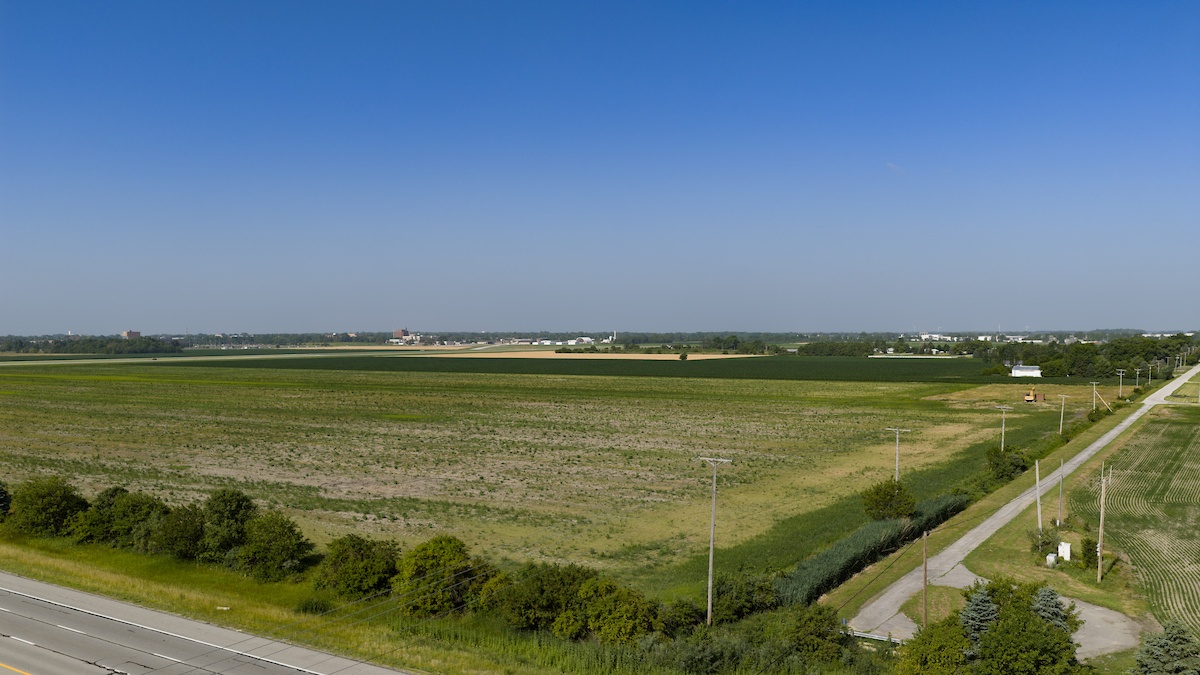
New research shows how machine learning can help farmers understand why wheat yields vary across their fields.
Manoj Lamichhane, Sushant Mehan, Kyle R. Mankin, Todd Trooien, Maitiniyazi Maimaitijiang and Dr. Hossein Moradi Rekabdarkolaee conducted the study. Rekabdarkolaee is an associate professor in the Business Analytics, Economics & Information Systems department. The team studied 18 dryland wheat fields in Colorado from 2019 to 2024.
The researchers used a type of artificial intelligence called machine learning to look at different factors. They found that water data is the most important factor for predicting how much wheat a field will produce. This includes how much rain falls and how much water the soil holds. The models were able to explain over 80% of the differences in yield.
This study matters because it helps farmers manage their land better. By knowing which parts of a field will produce more or less wheat, farmers can save money on fertilizer and water. The research shows that even simple data like terrain and water levels can give very accurate predictions. This helps farmers make better decisions for their crops.
The findings also show that modern farming methods like no-till systems work well with these new tools. Rekabdarkolaee and the team found that early-season water levels are the best way to tell how a crop will perform. This information gives farmers a clear way to plan for the future. It also helps them understand how water limitation affects their productivity.
The team used a framework called explainable machine learning. This method helps people understand how the AI makes its decisions. It showed that early-season water variables were the main drivers of yield. This research provides actionable insight for semi-arid wheat systems.
Explainable machine learning reveals water-related drivers of sub-field dryland wheat yield variability is available via ScienceDirect.
Updated: 08/21/2026 03:19PM